My grandmother’s kitchen always smelled like cinnamon sticks steeping in coffee and the deep, savory scent of slow-cooked meat. For my family, Rosh Hashanah wasn’t just a date on the calendar; it was a three-day marathon of love, noise, and food that stretched from the first night of the new year well into the weekend. And at the center of every table, resting in its own gravy boat like a crown jewel, was my Bubbe’s brisket.
She didn’t write down recipes. She cooked by feel, by memory, and by the light coming through her window at 4 PM. But I’ve spent the last five years trying to capture her magic, tweaking and testing until I finally nailed the balance of sweet and savory that made my uncle cry and my cousins ask for the recipe again and again. This Rosh Hashanah pomegranate glazed brisket is my tribute to that tradition. It’s not just dinner; it’s a celebration of abundance, sweetness, and a good year ahead.
I’ve made this brisket for holiday gatherings, for casual Sunday suppers, and even for my non-Jewish friends who were surprised to learn that Jewish cooking is heavily rooted in symbolic sweetness. The key isn’t just the pomegranate molasses—it’s the patience. This isn’t a weeknight dinner you throw together in twenty minutes. It’s a labor of love that rewards you with meat so tender it falls apart at the touch of a fork. If you’re looking for a centerpiece that feels festive, sophisticated, and deeply comforting, this is it.
When I first started making this, I was intimidated. Brisket can be a tricky cut of meat. It’s lean, it has a lot of connective tissue, and if you rush it, it’s tough as leather. But once you understand the rhythm of searing, braising, and glazing, you’ll realize it’s one of the most forgiving dishes you can make. It just needs time and low heat. I’ve tested this method so many times—sometimes burning the garlic, sometimes using too much sugar, once even forgetting the wine entirely (don’t ask)—that I’ve distilled it down to the perfect, foolproof process.
This Rosh Hashanah pomegranate glazed brisket has become our family’s anchor. It’s the dish that signals the holidays have started. It’s rich enough to feel special but approachable enough that everyone digs in. Whether you’re hosting a large Rosh Hashanah dinner or just want to treat yourself to something indulgent this fall, this recipe will become your new tradition.
Why You’ll Love This Brisket
There are a hundred reasons I keep making this brisket, but if I had to narrow it down to the big ones, here’s why it’s worth the wait:
It’s a Crowd-Pleaser — Seriously. I’ve served this to picky eaters who usually only want pizza, and they’ve gone back for seconds. The sweet-savory glaze is universally loved. It feels fancy and restaurant-quality, but it’s just home cooking.
The Flavor is Complex but Balanced — Pomegranate molasses is the secret weapon here. It adds a tart, fruity depth that cuts through the richness of the beef perfectly. It’s not just “sweet”; it’s bright and complex. You’ll taste the caramelized onions, the earthiness of the paprika, and that subtle tang from the pomegranate.
It’s Make-Ahead Friendly — This is the ultimate holiday hack. Brisket actually tastes better the next day. The flavors have time to meld and settle. I usually cook this two days before the holiday, refrigerate it overnight (which lets the fat solidify so I can skim it off easily), and then reheat it gently. It saves you so much stress on the actual day.
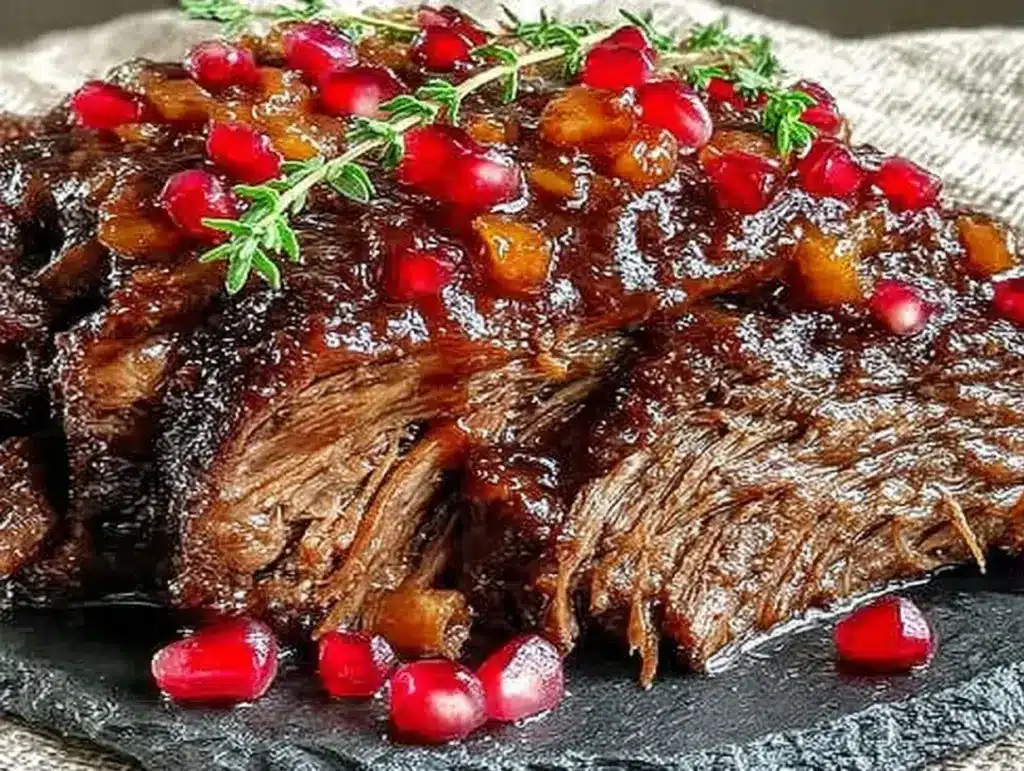
It Feels Festive — The deep red glaze looks stunning on the plate. It’s visually striking and feels celebratory. Plus, pomegranates are a traditional symbol of righteousness and abundance for the Jewish New Year, so eating this feels meaningful.
It’s Tender Perfection — When done right, brisket melts in your mouth. There’s no chewing required. Just sliding it onto your plate. I’ve tried faster methods, but the slow braise is the only way to get that texture. Trust me.
This brisket has saved my holiday dinners more times than I can count. It’s my answer to “what’s the main dish?” when I want something that feels special without requiring a team of chefs.
Ingredients You’ll Need
Here’s the best part: most of these ingredients are pantry staples or easy to find at any grocery store. I’m particular about a few things here, so pay close attention to the notes.
Beef Brisket (3-4 pounds / 1.5-2 kg) — You want a flat cut brisket. It’s leaner and easier to slice uniformly than the point cut. Look for one that’s well-marbled. Ask your butcher to trim the excess fat if they can, but leave a thin layer for flavor.
Pomegranate Molasses (½ cup / 120ml) — This is the star. It’s a thick, tart syrup made from reduced pomegranate juice. Don’t confuse it with pomegranate juice! You can find it at Middle Eastern markets or online. If you can’t find it, substitute with a mix of ¼ cup pomegranate juice and 2 tablespoons balsamic vinegar, but the real thing is better.
Red Wine (1 cup / 240ml) — Use a dry red like Cabernet Sauvignon or Merlot. You don’t need anything fancy—just something you’d drink. The alcohol cooks off, leaving behind depth.
Yellow Onions (2 large, sliced) — These form the bed of the brisket. They’ll caramelize and become sweet, adding a savory base to the sauce.
Garlic (6 cloves, minced) — Yes, six cloves. Don’t skimp. Garlic and brisket are best friends. Fresh only—no jarred stuff here.
Brown Sugar (2 tablespoons) — Adds a bit of caramel sweetness to balance the tartness of the pomegranate.
Smoked Paprika (1 teaspoon) — This adds a smoky depth that mimics slow-cooking over an open fire. It’s essential for that “holiday” flavor.
Ground Cumin (½ teaspoon) — Adds warmth and earthiness.
Salt and Black Pepper — To taste. Use kosher salt if you have it.
Beef Broth (1 cup / 240ml) — Low-sodium is best so you can control the seasoning. Vegetable broth works for a vegetarian version, though the flavor will be different.
Bay Leaves (2) — For subtle herbal aroma.
Optional Garnish: Fresh pomegranate arils (seeds) and chopped parsley. These add a fresh crunch and beautiful color contrast to the rich meat.
Shopping Tip: I always buy my pomegranate molasses from a Middle Eastern market if I can. The brands vary wildly in sweetness and tartness, so taste it before you buy if possible. If you can’t, stick to a well-known brand like Al Wadi or Al Habaib.
Equipment Needed
You don’t need fancy equipment for this. Here’s what I actually use:
Large Dutch Oven — I use a 6-quart Dutch oven. It needs to be heavy-bottomed to distribute heat evenly. My Le Creuset is my go-to, but any heavy cast iron or enameled pot works. A regular roasting pan works too, but you’ll need to cover it tightly with foil.
Sharp Chef’s Knife — For slicing onions and trimming the brisket. Dull knives are dangerous and frustrating.
Measuring Cups and Spoons — Standard stuff.
Tongs — For flipping the brisket. Metal tongs are best for searing.
Aluminum Foil — To cover the pot tightly during braising.
Slicing Board — For resting and slicing the meat.
Strainer or Sieve — Optional, if you want a smooth sauce. I usually leave the onions in for texture.
How to Make It: Step-by-Step
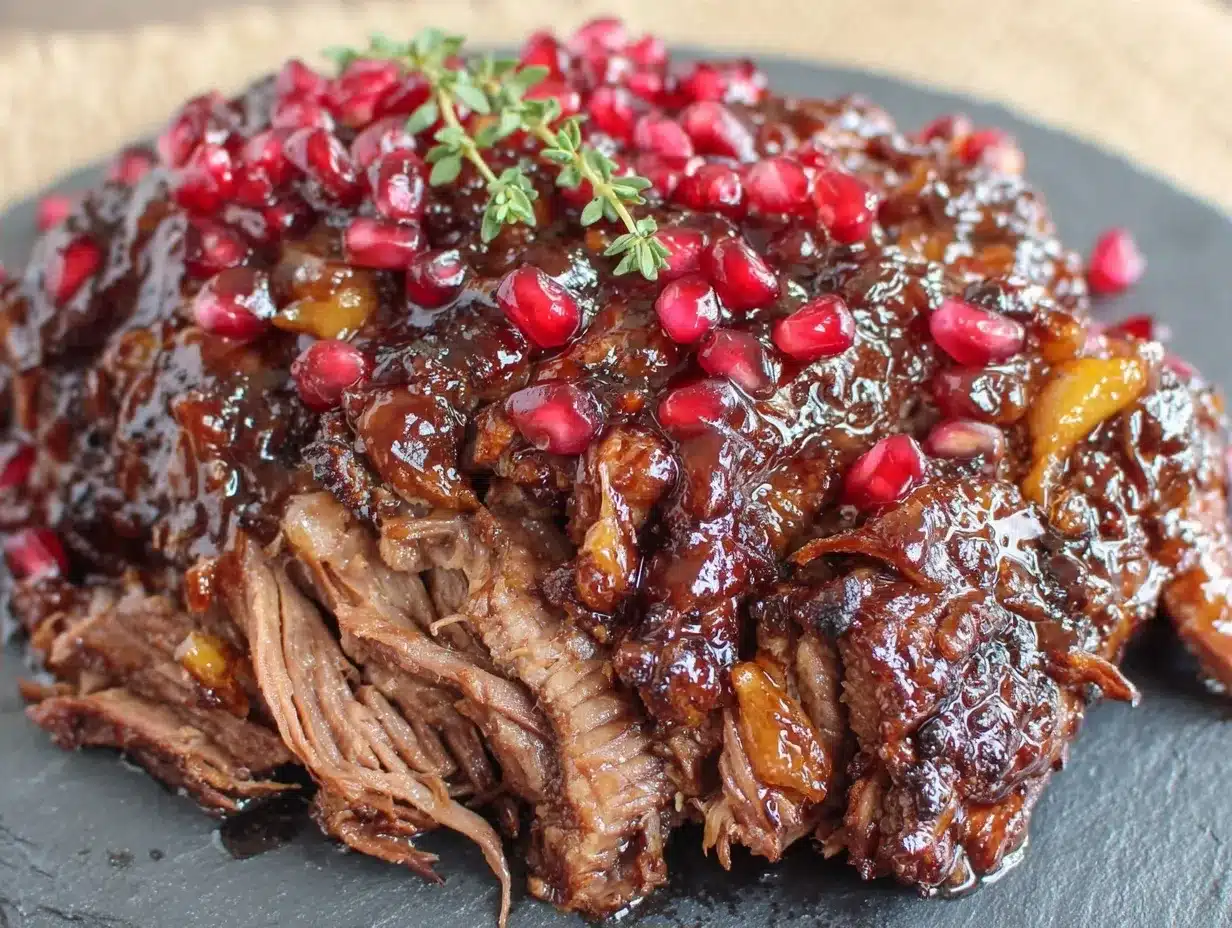
Alright, let’s make this! I’m walking you through exactly how I do it, including the little tricks I’ve picked up over the years.
Step 1: Prep the Brisket (10 minutes)
Take your brisket out of the fridge and let it come to room temperature while you prep the veggies. This helps it cook more evenly. Pat it dry with paper towels—this is crucial for getting a good sear. If it’s wet, it’ll steam instead of brown. Season both sides generously with salt, pepper, paprika, and cumin.
Step 2: Sear the Meat (10 minutes)
Heat your Dutch oven over medium-high heat with a tablespoon of oil. When the oil shimmers, add the brisket. Sear for 4-5 minutes per side until you get a deep, dark brown crust. Don’t rush this! The Maillard reaction is what gives the brisket its flavor. Remove the brisket and set it aside on a plate.
Step 3: Caramelize the Onions (5 minutes)
Reduce the heat to medium. Add the sliced onions to the same pot. Cook them for 5-7 minutes, stirring occasionally, until they’re softened and starting to turn golden. Add the minced garlic in the last minute, just until fragrant. Don’t let the garlic burn!
Step 4: Deglaze and Build the Sauce (3 minutes)
Pour in the red wine, scraping up all the brown bits from the bottom of the pot. Those bits are flavor gold. Let the wine simmer for 2 minutes to cook off the alcohol. Then add the pomegranate molasses, brown sugar, beef broth, and bay leaves. Stir well to combine.
Step 5: Braise the Brisket (2.5-3 hours)
Return the brisket to the pot, fat-side up. It should be mostly submerged in the liquid. If it’s not, add a little more broth. Cover the pot tightly with a lid or double-layered aluminum foil. Place it in a 325°F (160°C) oven. Braise for 2.5 to 3 hours. The meat is done when it’s fork-tender and easily pulls apart.
Step 6: Glaze and Broil (10 minutes)
Remove the pot from the oven. Carefully take out the brisket and place it on a cutting board. Strain the sauce if you want it smooth, or leave the onions in for texture. Return the sauce to the stovetop and simmer for 5-10 minutes until it thickens into a glaze consistency. Brush half of the glaze over the brisket. Return the brisket to the oven (uncovered) and broil for 2-3 minutes until the glaze is sticky and caramelized. Watch it closely—it can burn quickly!
Step 7: Rest and Slice (20 minutes)
Let the brisket rest for at least 20 minutes before slicing. This allows the juices to redistribute. Slice against the grain into thin strips. Serve with the extra glaze drizzled over the top, garnished with fresh pomegranate seeds and parsley.
Expert Tips & Tricks
Here’s everything I’ve learned from making this dozens of times. These tips will save you from my mistakes.
Don’t Skip the Sear
I know it’s tempting to just throw the raw brisket in the pot. Don’t. The sear adds a depth of flavor that braising alone can’t achieve. It’s non-negotiable.
Pat Dry, Always
Moisture is the enemy of browning. If your brisket is wet, it won’t get that nice crust. Use paper towels and be thorough.
Low and Slow
Keep your oven temperature at 325°F. Higher heat will make the meat tough. Lower heat will take too long. This is the sweet spot.
Resting is Key
If you slice the brisket right out of the oven, all the juices will run out, and the meat will be dry. Let it rest for 20 minutes. It’s worth the wait.
Glaze Wisely
The pomegranate molasses and brown sugar can burn easily under the broiler. Keep a close eye on it. If it’s browning too fast, lower the oven rack or cover it loosely with foil.
Make Ahead
This dish tastes even better the next day. Cook it, refrigerate it overnight, skim the solidified fat, and reheat it gently. The flavors meld beautifully.
Variations & Substitutions
Once you’ve nailed the basic version, here’s how you can mix it up. I’ve tried all of these.
Spicy Version
Add a teaspoon of cayenne pepper or a diced jalapeño to the sauce. The heat contrasts nicely with the sweet glaze.
Vegetarian Option
Swap the brisket for a large portobello mushroom cap or a block of firm tofu. Marinate the tofu in the spice blend and sear it before braising. The sauce works perfectly with either.
Gluten-Free
This recipe is naturally gluten-free, but check your pomegranate molasses and beef broth to ensure they don’t contain hidden gluten. Most brands are safe.
Dairy-Free
The recipe is already dairy-free. Just ensure your broth is dairy-free (most are).
Different Fruit Glazes
If you can’t find pomegranate molasses, try apple butter mixed with balsamic vinegar, or fig jam mixed with red wine vinegar. They offer similar sweet-tart profiles.
Serving & Storage
How to Serve:
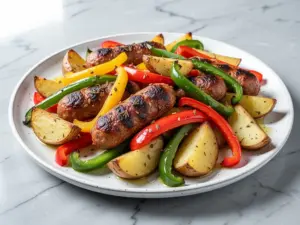
I usually serve this with creamy mashed potatoes or egg noodles to soak up the extra sauce. A simple green salad with a tangy vinaigrette cuts through the richness perfectly. It’s also delicious with roasted root vegetables, like the ones in my fall sheet pan sausage and root veggies recipe.
Leftovers:
Store in an airtight container in the fridge for up to 4 days. The meat will absorb the sauce and become even more flavorful. Reheat gently in a covered pan with a splash of broth to keep it moist.
Freezing:
Yes, you can freeze brisket! Freeze the meat and sauce separately for up to 3 months. Thaw in the fridge overnight and reheat gently. The texture may be slightly softer, but it’s still delicious.
Nutrition Information
I’m not a nutritionist, but here’s the breakdown if you’re tracking. This is a rich dish, so portion control is key.
Per Serving (based on 6 servings):
- Calories: 380
- Protein: 28g
- Carbs: 18g
- Fiber: 1g
- Sugar: 14g
- Fat: 18g
- Sodium: 450mg
What’s Good:
High in protein, good source of iron from the beef. The pomegranate adds antioxidants.
What to Know:
Higher in calories and fat due to the brisket cut. Contains sugar from the molasses and brown sugar. Use low-sodium broth to reduce sodium.
My Take:
Look, this is a holiday centerpiece. It’s meant to be indulgent. Enjoy it as part of a balanced meal with vegetables. It’s better than takeout and costs less.
Final Thoughts
So that’s my Rosh Hashanah pomegranate glazed brisket! I’ve probably talked your ear off at this point, but when you make a recipe this often, you have a lot to say about it.
This has saved holiday dinners more times than I can count. It’s my answer to “what’s for dinner?” when I want something that feels special but doesn’t require a team of chefs. My family is happy, my guests are happy, and I’m happy because I’m not stressed about cooking.
Make it yours! Try different add-ins, swap in your favorite vegetables, adjust the sweetness to your taste. The best recipes are the ones you adapt to your family’s tastes.
If you make this, drop a comment and let me know what you think! I love hearing how recipes turn out in your kitchen. And if something doesn’t work, tell me that too—I’m here to help troubleshoot.
Happy cooking! And I hope your kitchen smells half as good as mine does right now.
Frequently Asked Questions
Can I use pomegranate juice instead of pomegranate molasses?
You can, but the flavor will be different. Pomegranate molasses is concentrated and tart. Juice is sweeter and thinner. If you use juice, you’ll need to simmer it longer to reduce it, and you’ll need to add a splash of vinegar to balance the sweetness. It’s not the same, but it works in a pinch.
Why is my brisket tough?
It probably wasn’t cooked long enough. Brisket needs time for the connective tissue to break down. If it’s still tough after 2.5 hours, give it another hour. It’s done when a fork slides in and out with no resistance.
Can I make this ahead for a dinner party?
Absolutely. This is actually better made ahead. Cook it 1-2 days before, refrigerate, skim the fat, and reheat gently before serving. It saves you so much stress on the day of the party.
Can I freeze this brisket?
Yes! Freeze the meat and sauce in separate containers for up to 3 months. Thaw in the fridge overnight and reheat gently. The texture may be slightly softer, but it’s still delicious.
What sides go well with this brisket?
I love serving it with creamy mashed potatoes, egg noodles, or roasted root vegetables. A simple green salad with a tangy vinaigrette also cuts through the richness nicely. If you’re looking for a hearty side, try my cozy fall creamy wild rice and mushroom casserole.
Is this recipe gluten-free?
Yes, this recipe is naturally gluten-free. Just ensure your pomegranate molasses and beef broth don’t contain hidden gluten. Most brands are safe.
Pin This Recipe!
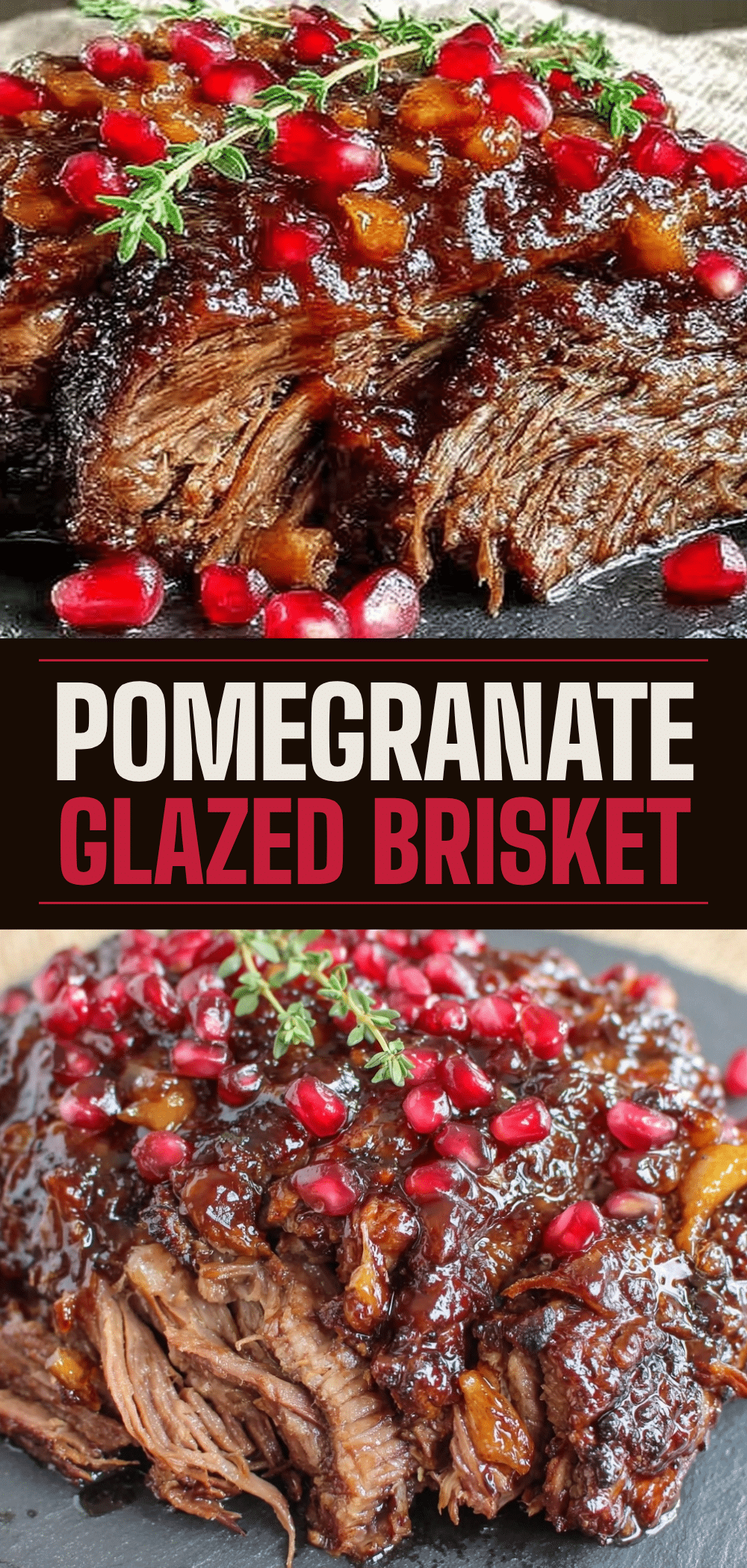
Rosh Hashanah Pomegranate Glazed Brisket
- Total Time: 3 hours 10 minutes
- Yield: 6 servings 1x
Description
A tender, slow-braised beef brisket with a sweet and savory pomegranate glaze, perfect for holiday celebrations and make-ahead cooking.
Ingredients
- 3–4 pounds beef brisket (flat cut)
- ½ cup pomegranate molasses
- 1 cup dry red wine (Cabernet Sauvignon or Merlot)
- 2 large yellow onions, sliced
- 6 cloves garlic, minced
- 2 tablespoons brown sugar
- 1 teaspoon smoked paprika
- ½ teaspoon ground cumin
- Salt and black pepper to taste
- 1 cup low-sodium beef broth
- 2 bay leaves
- 1 tablespoon oil (for searing)
- Fresh pomegranate arils and chopped parsley (optional garnish)
Instructions
- Prep the brisket by letting it come to room temperature. Pat dry with paper towels and season generously with salt, pepper, paprika, and cumin.
- Heat oil in a large Dutch oven over medium-high heat. Sear the brisket for 4-5 minutes per side until a deep brown crust forms. Remove and set aside.
- Reduce heat to medium. Add sliced onions to the pot and cook for 5-7 minutes until softened and golden. Add minced garlic in the last minute.
- Pour in red wine to deglaze the pot, scraping up brown bits. Simmer for 2 minutes to cook off alcohol.
- Add pomegranate molasses, brown sugar, beef broth, and bay leaves. Stir to combine.
- Return brisket to the pot, fat-side up. Cover tightly with lid or foil. Braise in a 325°F (160°C) oven for 2.5 to 3 hours until fork-tender.
- Remove brisket from oven and place on a cutting board. Strain sauce if desired, or leave onions in. Simmer sauce on stovetop for 5-10 minutes until thickened.
- Brush half the glaze over the brisket. Return to oven uncovered and broil for 2-3 minutes until sticky and caramelized.
- Let brisket rest for 20 minutes before slicing against the grain. Serve with remaining glaze and garnish.
Notes
This dish tastes better the next day. Cook it 1-2 days ahead, refrigerate overnight to solidify fat for easy removal, and reheat gently. Ensure pomegranate molasses is tart, not sweetened juice. If using juice, add vinegar to balance.
- Prep Time: 10 minutes
- Cook Time: 3 hours
- Category: Main Course
- Cuisine: Jewish
Nutrition
- Serving Size: 1 slice of brisket w
- Calories: 380
- Sugar: 14
- Sodium: 450
- Fat: 18
- Carbohydrates: 18
- Fiber: 1
- Protein: 28
Keywords: Rosh Hashanah, brisket, pomegranate glaze, holiday recipe, slow cooker, braised beef, Jewish New Year, sweet and savory