It was 11:30 PM on a rainy Tuesday. I was sitting on my couch, staring at my phone, debating between spending $28 on mediocre takeout or trying to find the energy to cook something complicated. My stomach was growling, but my brain was foggy from a long workday. I’d been eating out too much lately—greasy, salty, “restaurant-style” food that tasted good in the moment but left me feeling sluggish the next day. I wanted flavor. I wanted heat. I wanted that perfect balance of sweet, sour, and savory that only Thai food gets right. But I didn’t want to wait 45 minutes for a delivery driver who might have taken a wrong turn.
So, I did the unthinkable. I opened the fridge, pulled out some sad-looking tofu, a bag of rice noodles that had been sitting there for two weeks, and a jar of tamarind paste. I decided to make pad thai from scratch. I’d tried before, and it had always been a disaster—either too sweet, too mushy, or just… boring. But this time, I remembered a trick I’d learned from a street food vendor in Bangkok years ago: the sauce is everything. If you get the sauce right, you can make magic out of leftovers.
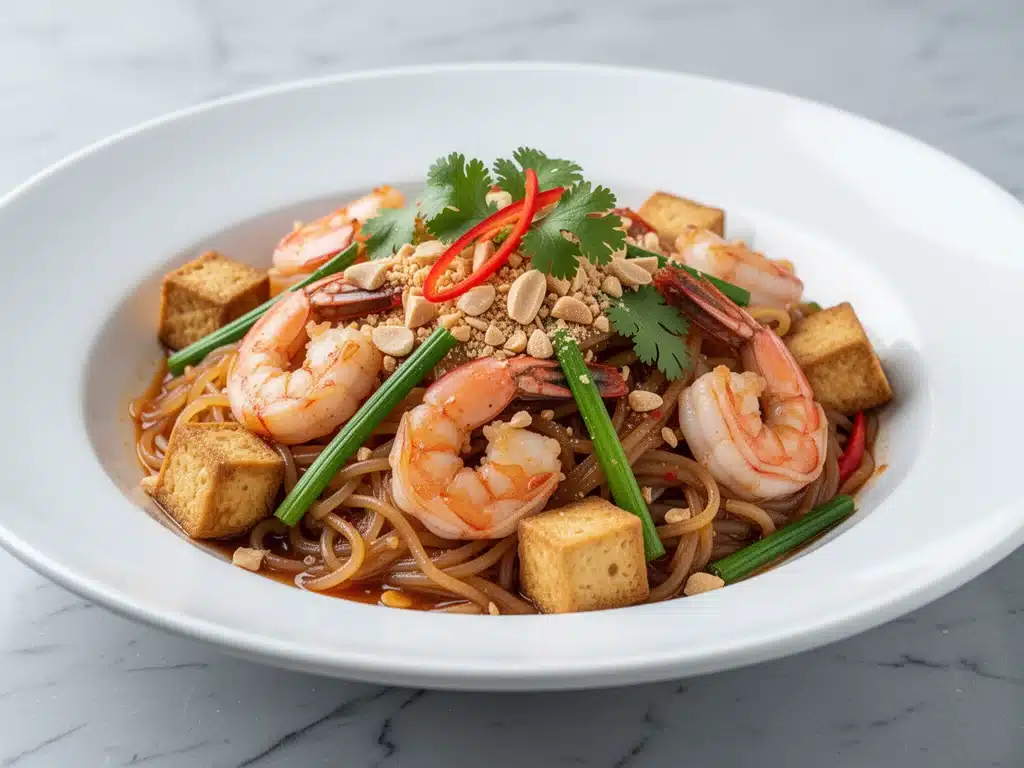
I chopped, I stir-fried, I tasted, and I adjusted. Ten minutes later, I had a bowl of Restaurant-Style Pad Thai with Tangy Tamarind Sauce that smelled incredible. The first bite was a revelation. It was better than the takeout. It was better than most Thai restaurants in my city. The noodles were perfectly chewy, not soggy. The sauce clung to every strand, packing a punch of tanginess from the tamarind that woke up my tired taste buds. By the time I finished, I was smiling, full, and oddly proud of myself for not ordering Uber Eats.
That night changed my weeknight routine. Now, when I’m tired or overwhelmed, I don’t reach for the phone. I reach for my wok. This Restaurant-Style Pad Thai with Tangy Tamarind Sauce has become my go-to comfort meal. It’s faster than delivery, cheaper than takeout, and infinitely more satisfying. I’ve made it so many times that I can do it with my eyes closed (though I don’t recommend trying that with a hot wok). If you’ve ever been frustrated by chewy, uncooked rice noodles or a sauce that tastes flat, this recipe is your fix. It’s the real deal. No shortcuts, no weird ingredients you can’t find, just honest, delicious food that tastes like you’re on vacation.
Why You’ll Love This Restaurant-Style Pad Thai with Tangy Tamarind Sauce
There are a dozen reasons I keep making this Restaurant-Style Pad Thai with Tangy Tamarind Sauce over and over again, but here are the big ones that keep it in my regular rotation.
It Beats Takeout Every Time — Seriously. I’ve done side-by-side taste tests with my favorite local Thai spot. The homemade version always wins because you control the freshness. The herbs are bright, the noodles aren’t sitting under a heat lamp, and the sauce is made with real tamarind, not that sugary synthetic syrup they use to cut costs.
The Sauce Is Addictive — This tangy tamarind sauce is the star. It’s a perfect balance of sweet, sour, salty, and spicy. I’ve found myself eating it with a spoon straight from the pan. It’s versatile enough to drizzle over grilled chicken or mix into fried rice, but it shines brightest when tossing with rice noodles.
It’s Faster Than Delivery — From start to finish, this meal takes about 20-25 minutes. That’s less time than it takes to browse menus, place an order, and wait for the driver. Plus, you get to eat while it’s piping hot, not lukewarm in a takeout container.
It’s Customizable — Hate shrimp? Use chicken. Vegan? Tofu is your friend. Want more veggies? Add bean sprouts, carrots, and green onions. This recipe is a blank canvas. I’ve made it with just veggies for a light lunch and loaded it with protein for a hearty dinner. Everyone in my family finds their perfect version.
It Uses Simple Ingredients — You don’t need a trip to a specialty Asian market for most of this. Tamarind paste is the only “specialty” item, and you can find it in the international aisle of most grocery stores now. Everything else—rice noodles, eggs, peanuts, lime—is basic pantry or fridge staples.
It’s Budget-Friendly — A takeout order of pad thai can run you $15-$20 for a small portion. Making this at home costs about $8-$10 for a full family-sized batch. That’s less than $2 per serving for restaurant-quality food. My wallet thanks me, and so does my stomach.
This isn’t just a recipe; it’s a weeknight saver. It’s my answer to “I’m tired but I want good food.” It’s quick, it’s flavorful, and it makes my kitchen smell amazing. Once you try it, you’ll never go back to the takeout menu again.
Ingredients You’ll Need for Restaurant-Style Pad Thai with Tangy Tamarind Sauce
Here’s the best part: you probably have most of these ingredients already. The key to this Restaurant-Style Pad Thai with Tangy Tamarind Sauce is fresh, high-quality components. Don’t skimp on the tamarind or the fish sauce—those are the flavor foundations.
For the Noodles
Rice Noodles (8 ounces / 225g) — Look for flat rice noodles, about 1/4 inch wide (often labeled as “medium” or “pad thai” noodles). Avoid the thin vermicelli; they get mushy too fast. I buy them in bundles from the Asian aisle. They’re cheap and last forever in the pantry.
Water (Enough to cover) — For soaking the noodles. You’ll be using cold water, not boiling, to prevent them from getting too soft before they hit the wok.
For the Tangy Tamarind Sauce
Tamarind Paste (3 tablespoons / 45g) — This is the heart of the dish. Make sure it’s pure tamarind paste, not sweetened tamarind concentrate with added sugar. It’s tangy and sour. If you can’t find paste, tamarind concentrate works, but adjust the sugar accordingly. I keep a jar in my fridge at all times.
Fish Sauce (3 tablespoons / 45ml) — Don’t let the smell scare you. It adds saltiness and umami, not a fishy taste. Use a good quality brand like Red Boat or Squid Brand. Soy sauce is not a direct substitute, but in a pinch, you can use tamari for a vegetarian version.
Brown Sugar (2 tablespoons / 30g) — I use light brown sugar for its molasses notes. It caramelizes nicely in the wok. White sugar works too, but brown adds depth.
Lime Juice (2 tablespoons / 30ml) — Freshly squeezed. Bottled lime juice tastes artificial and won’t give you that bright, fresh kick. Squeeze two limes yourself.
Water (2 tablespoons / 30ml) — To thin out the tamarind paste so it coats the noodles evenly.
For the Stir-Fry
Vegetable Oil (2 tablespoons / 30ml) — Any neutral oil works. Canola, peanut, or grapeseed. I prefer peanut oil for its high smoke point and nutty flavor.
Eggs (2 large) — Beaten. They add richness and protein. I scramble them directly in the wok for that classic texture.
Garlic (3 cloves, minced) — Fresh garlic is non-negotiable. Jarred garlic lacks the punch needed for this dish. Mince it finely so it distributes evenly.
Shallots (2 medium, thinly sliced) — Or use red onion if you prefer. Shallots are sweeter and milder, which balances the tangy sauce beautifully.
Protein of Choice (1 pound / 450g) — I use a mix. Shrimp (peeled and deveined) and firm tofu (cubed) are my favorites. Chicken breast, sliced thin, works too. If you’re vegetarian, extra tofu is perfect. I like to press the tofu first to get it crispy.
Bean Sprouts (2 cups / 100g) — Fresh, crisp bean sprouts add texture. They should be crunchy, not wilted. I add half during cooking and half at the end for freshness.
Green Onions (4 stalks, chopped) — White parts for cooking, green parts for garnish. They add a mild onion flavor and color.
Crushed Peanuts (1/4 cup / 30g) — For garnish. They add crunch and richness. You can use whole peanuts if you crush them slightly, or buy pre-crushed. I like a mix of textures.
Lime Wedges (2 limes, cut into wedges) — For serving. A squeeze of fresh lime right before eating brightens everything up.
Red Pepper Flakes (1 teaspoon, optional) — For heat. Adjust to your spice tolerance. I like a little kick, but it’s optional.
Fresh Cilantro (1/4 cup, chopped) — For garnish. Not everyone loves cilantro, but it adds a fresh, herbal note that I can’t live without. Skip if you’re in the cilantro hate club.
Common Questions
Can I use dried shrimp? — Traditional recipes often include dried shrimp for umami. If you can find them at an Asian market, they’re a great addition. Soak them in warm water for 10 minutes before adding. If you can’t find them, skip them; the fish sauce provides plenty of saltiness.
Where do I find tamarind paste? — It’s usually in the international aisle, near other Asian sauces. Look for brands like Maesri or Thai Kitchen. It’s sold in small tubes or jars.
Equipment Needed
You don’t need fancy equipment for this. Here’s what I actually use.
Wok — I use a 14-inch carbon steel wok. It’s my favorite pan because it heats evenly and has high sides for tossing. If you don’t have a wok, a large skillet or Dutch oven works. Just make sure it’s big enough to hold all the ingredients without overcrowding.
Large Bowl — For soaking the rice noodles. Any size works, as long as the noodles are fully submerged.
Mixing Bowl — For whisking the sauce. A small bowl is fine.
Sharp Knife — For chopping shallots, garlic, and green onions. A dull knife makes chopping tedious and dangerous.
Cutting Board — Any size. I use a large plastic one for easy cleanup.
Wooden Spoon or Spatula — For stirring. Silicone works too. Avoid metal on non-stick surfaces.
Measuring Cups and Spoons — For the sauce. Accuracy matters here to get the balance right.
Colander — For draining the soaked noodles. Or just lift them out with your hands.
How to Make It: Step-by-Step
Alright, let’s make this! I’m walking you through exactly how I do it, including the little tricks I’ve picked up.
Step 1: Soak the Rice Noodles (15-20 minutes)
Place the rice noodles in a large bowl and cover with cold water. Let them soak until they are soft and pliable but still slightly firm (al dente). This is crucial. If you boil them, they’ll get mushy. If you don’t soak them, they’ll be hard and chewy. Check them after 15 minutes. They should bend easily but not break. Once soaked, drain them well. I like to rinse them under cold water to stop the cooking process and keep them separate.
Step 2: Make the Tangy Tamarind Sauce
In a small bowl, whisk together the tamarind paste, fish sauce, brown sugar, lime juice, and 2 tablespoons of water. Stir until the sugar is dissolved. Taste it. It should be a perfect balance of sweet, sour, and salty. If it’s too sour, add a bit more sugar. If it’s too sweet, add more lime or fish sauce. Adjust to your preference. Set aside.
Step 3: Prep Your Protein and Veggies
While the noodles soak, prep your ingredients. Cut your tofu into cubes and pat them dry. Slice your chicken or shrimp. Mince your garlic. Slice your shallots. Chop your green onions. Have your bean sprouts and crushed peanuts ready. This is called *mise en place*, and it makes the stir-frying process smooth and stress-free.
Step 4: Cook the Protein
Heat 1 tablespoon of oil in your wok or large skillet over medium-high heat. Add your protein (tofu, chicken, or shrimp). Cook until browned and cooked through. For tofu, you want it crispy on the outside. For shrimp, cook until pink. For chicken, cook until no longer pink inside. Remove the protein from the wok and set it aside on a plate. Don’t clean the wok; you want that flavorful residue.
Step 5: Sauté the Aromatics
Add the remaining 1 tablespoon of oil to the wok. Add the garlic and shallots. Stir-fry for 30 seconds until fragrant. Be careful not to burn the garlic. If it starts to smoke, lower the heat. The smell should be amazing—garlicky and sweet.
Step 6: Add the Noodles and Sauce
Add the soaked and drained rice noodles to the wok. Pour the tamarind sauce over the noodles. Toss everything together gently but thoroughly. Use tongs or two spatulas to lift and turn the noodles. You want the sauce to coat every strand. Cook for 2-3 minutes, allowing the noodles to absorb the sauce and heat through. The noodles will continue to soften as they cook.
Step 7: Add Eggs and Veggies
Push the noodles to one side of the wok. Pour the beaten eggs into the empty space. Scramble the eggs until just cooked. Then, mix the eggs into the noodles. Add the bean sprouts and the cooked protein back into the wok. Toss everything together for another minute. The bean sprouts should stay crisp.
Step 8: Serve
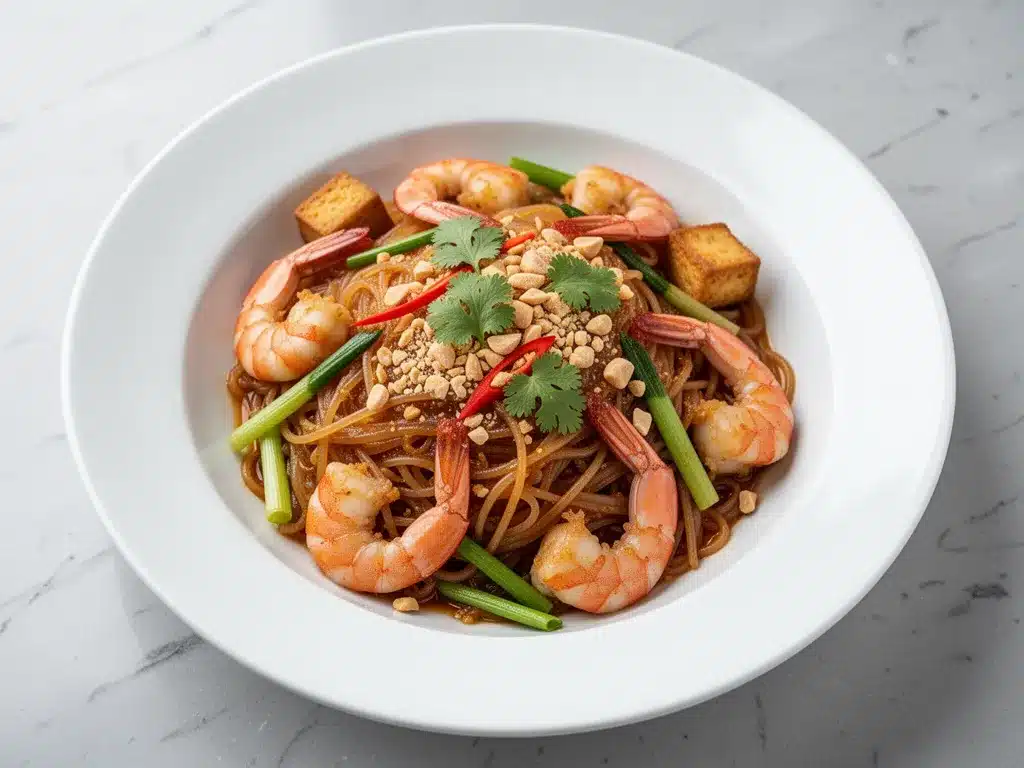
Transfer the pad thai to serving plates. Top with crushed peanuts, green onions, and fresh cilantro. Serve with lime wedges on the side. Squeeze fresh lime juice over the top for an extra burst of flavor. Enjoy immediately while it’s hot.
Total Time: About 25 minutes (10 minutes active prep, 15 minutes cooking)
Expert Tips & Tricks
Here’s everything I’ve learned from making this dozens of times. These tips will save you from my mistakes.
Don’t Overcook the Noodles
This is the #1 mistake. Rice noodles cook very quickly. If you boil them, they’ll turn to mush. Soaking in cold water is the best method. If you’re in a hurry, you can soak in warm water for 10 minutes, but cold is better. The noodles should be soft but still have a bite.
High Heat is Key
Wok hei (the breath of the wok) comes from high heat. Make sure your wok is hot before adding ingredients. If the heat is too low, the noodles will stick and become gummy. Don’t be afraid of the smoke; it means you’re doing it right.
Balance Your Sauce
The sauce is the soul of the dish. Taste it before adding it to the wok. It should be strong enough to stand on its own. If it tastes good by itself, it’ll taste great with the noodles. Adjust sugar, lime, and fish sauce to your taste.
Use Cold Noodles
If your noodles are warm after soaking, they’ll stick together. Rinse them under cold water and drain well. Toss them with a little oil to prevent sticking if you’re not cooking immediately.
Don’t Crowd the Wok
If you’re making a large batch, cook in batches. Overcrowding the wok lowers the temperature and steams the noodles instead of stir-frying them. Better to make two smaller batches than one giant, soggy one.
Common Mistakes (and how to avoid them):
Mistake: Noodles are sticky and clumpy
Fix: You didn’t drain them well enough, or you added them to a cold wok. Make sure they’re dry and the wok is hot. Toss them with a little oil after draining.
Mistake: Sauce is too sweet
Fix: Add more lime juice or fish sauce. Taste as you go. It’s easier to add more acid or salt than to remove sugar.
Mistake: Noodles are hard and chewy
Fix: You didn’t soak them long enough. Soak for another 5-10 minutes and try again.
Variations & Substitutions
Once you’ve nailed the basic version, here’s how you can mix it up. I’ve tried all of these.
Vegetarian Pad Thai
Use extra firm tofu and skip the fish sauce. Use soy sauce or tamari instead. Add more veggies like broccoli, carrots, and bell peppers. It’s just as delicious and satisfying.
Chicken Pad Thai
Slice chicken breast thinly against the grain. Marinate it in a little cornstarch and soy sauce for 10 minutes before cooking. It stays tender and juicy.
Shrimp Pad Thai
Use large shrimp, peeled and deveined. Cook them quickly—they’re done in 2-3 minutes. Don’t overcook them or they’ll become rubbery.
Spicy Pad Thai
Add 1-2 teaspoons of chili paste (like Sambal Oelek) to the sauce. Or garnish with fresh sliced chili peppers. For more heat, add red pepper flakes to the oil when sautéing the garlic.
Vegan Pad Thai
Use tofu, vegetable broth instead of fish sauce (or just extra soy sauce), and skip the eggs. Add a handful of peanuts for protein. It’s hearty and flavorful.
Dietary Modifications:
Gluten-Free
Rice noodles are naturally gluten-free. Just make sure your fish sauce and tamarind paste are certified gluten-free. Soy sauce contains gluten, so use tamari or coconut aminos.
Dairy-Free
This recipe is naturally dairy-free. No butter or cream used.
Serving & Storage
How to Serve:
I usually serve this straight from the wok at the dinner table. It’s rustic and fun. But here are other ways I’ve enjoyed it:
Side Dishes:
- Cucumber Salad: A simple salad with rice vinegar, sugar, and chili flakes. It’s refreshing and balances the rich pad thai.
- Fried Bananas: For a sweet contrast. Dip ripe plantains in batter and fry until golden.
- Spring Rolls: Fresh or fried spring rolls make a great starter.
Storage Instructions:
Refrigerator:
Store leftovers in an airtight container for up to 3 days. The noodles will absorb the sauce and become softer, which some people love. Others prefer them firmer.
Reheating:
Best method: Reheat in a wok or skillet over medium heat with a splash of water or broth. Stir frequently to prevent sticking. Add a squeeze of lime and fresh herbs after reheating.
Microwave method: Heat in 30-second intervals, stirring between. Add a splash of water to keep the noodles moist. It works, but the texture won’t be quite as good as stovetop.
Freezing:
I don’t recommend freezing pad thai. The noodles become mushy and unpleasant when thawed. It’s best enjoyed fresh.
Pro tip:
If you’re meal prepping, keep the sauce separate. Toss the noodles with the sauce just before serving. This keeps the noodles from getting soggy.
Nutrition Information
I’m not a nutritionist, but here’s the breakdown if you’re tracking.
Per Serving (based on 4 servings):
- Calories: 450
- Protein: 20g
- Carbs: 60g
- Fiber: 3g
- Sugar: 12g
- Fat: 15g
- Sodium: 600mg
What’s Good:
- Good source of protein from shrimp or tofu
- Rice noodles are gluten-free
- Can be loaded with vegetables for extra nutrients
What to Know:
- Higher in sodium due to fish sauce
- Contains sugar in the sauce
- Can be made lighter by using less oil and sugar
Final Thoughts
So that’s my go-to Restaurant-Style Pad Thai with Tangy Tamarind Sauce! I’ve probably talked your ear off at this point, but when you make a recipe this often, you have a lot to say about it.
This has saved weeknight dinners more times than I can count. It’s my answer to “what’s for dinner” when I’m tired, don’t want takeout, and still want something that tastes really good. My kids are happy, my husband’s happy, and I’m happy because I’m not stressed about cooking.
Make it yours! Try different add-ins, swap in your favorite vegetables, adjust the garlic (though more is always better in my opinion). The best recipes are the ones you adapt to your family’s tastes.
If you make this, drop a comment and let me know what you think! I love hearing how recipes turn out in your kitchen. And if something doesn’t work, tell me that too—I’m here to help troubleshoot.
Happy cooking! And I hope your kitchen smells half as good as mine does right now.
Frequently Asked Questions
Can I use dried rice noodles?
Yes! Most rice noodles come dried. You just need to soak them in cold water for 15-20 minutes until they’re soft. Do not boil them. Boiling makes them too soft and mushy. Soaking in cold water keeps them chewy and perfect for stir-frying.
What is tamarind paste?
Tamarind paste is a thick, dark brown paste made from the pulp of the tamarind tree. It has a tangy, sour flavor similar to lemon or lime, but with a deeper, more complex taste. It’s a key ingredient in many Asian dishes, including pad thai, curries, and chutneys. You can find it in the international aisle of most grocery stores.
Can I make this ahead for a dinner party?
Sort of. Prep all the ingredients ahead of time (soak noodles, chop veggies, mix sauce). Then, just before serving, stir-fry everything together. It cooks quickly, so you can assemble it right before your guests arrive. The noodles will stick if they sit too long, so it’s best to cook them fresh.
Why did my noodles stick together?
Usually, this happens if you didn’t drain them well after soaking, or if you added them to a cold wok. Make sure to rinse them under cold water and drain thoroughly. Also, make sure your wok is hot before adding the noodles. Toss them with a little oil after draining to prevent sticking.
Can I use soy sauce instead of fish sauce?
You can, but the flavor will be different. Fish sauce adds a unique umami depth that soy sauce doesn’t provide. If you’re vegetarian or vegan, use soy sauce or tamari. For a vegetarian version that’s closer to the original flavor, try mushroom soy sauce or add a little seaweed to the sauce.
How do I reheat leftovers without it getting dry?
Add a splash of water or broth to a skillet, add your leftover pad thai, and heat gently over low heat, stirring frequently. The extra liquid brings back the moisture. Microwave sort of works but tends to dry it out. If you do microwave, definitely add a splash of water first and heat in short bursts, stirring between.
Can I double this recipe?
Absolutely! Double everything and use your biggest wok. The cooking times stay the same. I do this when I’m meal-prepping or feeding a crowd. Just make sure your wok is big enough for the sauce—you might need to cook in batches to avoid overcrowding.
Pin This Recipe!
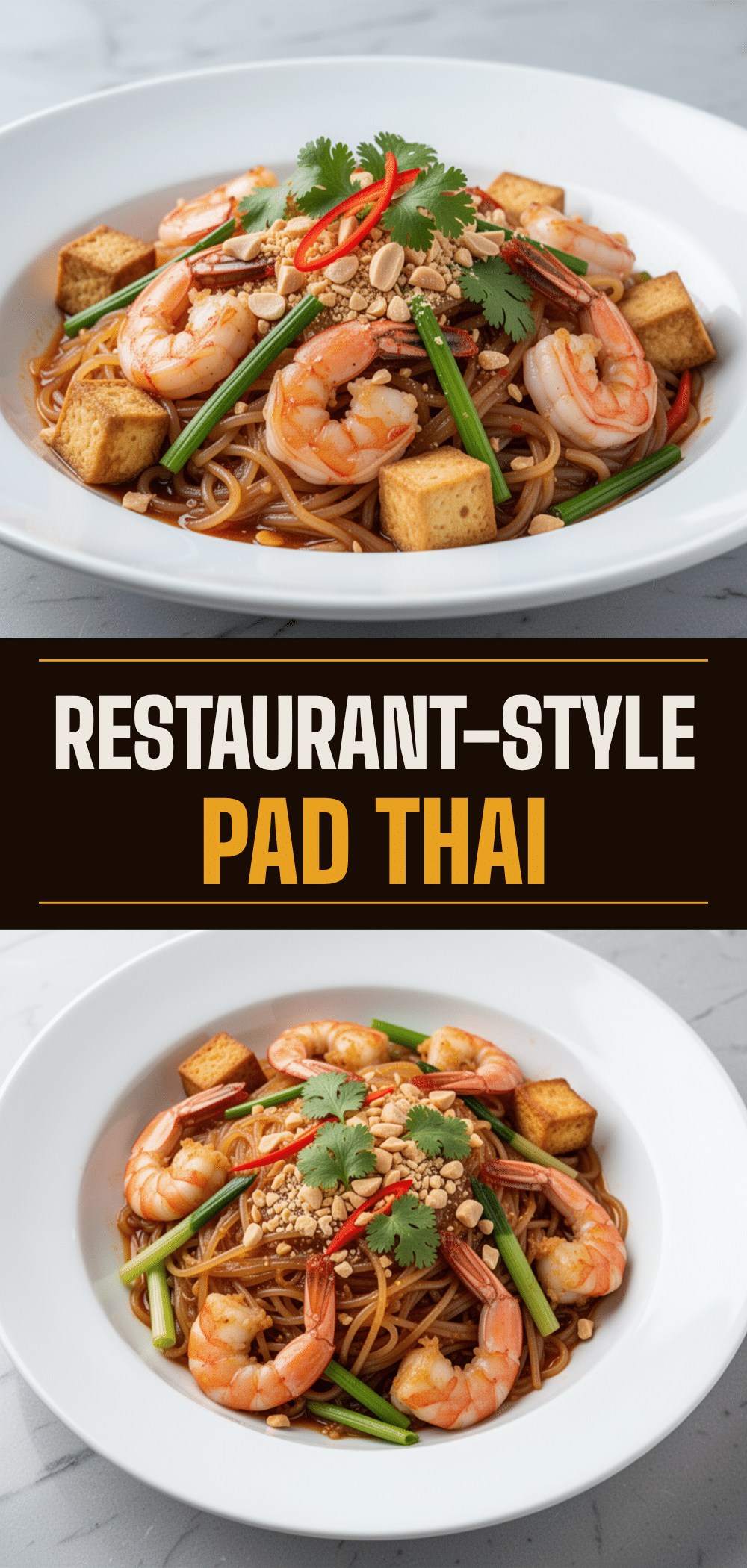
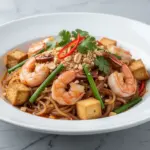
Restaurant-Style Pad Thai with Tangy Tamarind Sauce
- Total Time: 25 minutes
- Yield: 4 servings 1x
Description
A quick, flavorful weeknight dinner that beats takeout. This recipe features perfectly chewy rice noodles tossed in a tangy, sweet, and savory tamarind sauce with your choice of protein and fresh vegetables.
Ingredients
- 8 ounces (225g) flat rice noodles (medium/pad thai width)
- Cold water (for soaking noodles)
- 3 tablespoons (45g) tamarind paste
- 3 tablespoons (45ml) fish sauce
- 2 tablespoons (30g) brown sugar
- 2 tablespoons (30ml) fresh lime juice
- 2 tablespoons (30ml) water
- 2 tablespoons (30ml) vegetable oil
- 2 large eggs, beaten
- 3 cloves garlic, minced
- 2 medium shallots, thinly sliced
- 1 pound (450g) protein of choice (shrimp, chicken, or firm tofu)
- 2 cups (100g) fresh bean sprouts
- 4 stalks green onions, chopped
- 1/4 cup (30g) crushed peanuts
- 2 limes, cut into wedges
- 1 teaspoon red pepper flakes (optional)
- 1/4 cup fresh cilantro, chopped
Instructions
- Soak rice noodles in a large bowl of cold water for 15-20 minutes until soft and pliable but still firm. Drain well and rinse under cold water to stop cooking.
- In a small bowl, whisk together tamarind paste, fish sauce, brown sugar, lime juice, and 2 tablespoons of water until sugar is dissolved. Taste and adjust sweetness or acidity if needed.
- Prep all ingredients: cube tofu, slice chicken/shrimp, mince garlic, slice shallots, and chop green onions. Have bean sprouts and peanuts ready.
- Heat 1 tablespoon of oil in a wok or large skillet over medium-high heat. Add protein and cook until browned and cooked through. Remove protein from wok and set aside.
- Add remaining 1 tablespoon of oil to the wok. Add garlic and shallots, stir-frying for 30 seconds until fragrant.
- Add soaked noodles to the wok. Pour the tamarind sauce over the noodles. Toss gently but thoroughly to coat every strand. Cook for 2-3 minutes.
- Push noodles to one side. Pour beaten eggs into the empty space and scramble until just cooked. Mix eggs into noodles.
- Add bean sprouts and cooked protein back into the wok. Toss everything together for another minute.
- Transfer to serving plates. Top with crushed peanuts, green onions, and cilantro. Serve with lime wedges on the side.
Notes
Do not boil the rice noodles; soaking in cold water prevents them from becoming mushy. Ensure your wok is hot before adding ingredients to achieve ‘wok hei’ and prevent sticking. If making a large batch, cook in batches to avoid overcrowding the pan.
- Prep Time: 10 minutes
- Cook Time: 15 minutes
- Category: Main Course
- Cuisine: Thai
Nutrition
- Serving Size: 1 plate
- Calories: 450
- Sugar: 12
- Sodium: 600
- Fat: 15
- Saturated Fat: 3
- Carbohydrates: 60
- Fiber: 3
- Protein: 20
Keywords: Pad Thai, Tamarind Sauce, Thai Food, Stir Fry, Rice Noodles, Weeknight Dinner, Easy Recipe, Restaurant Style