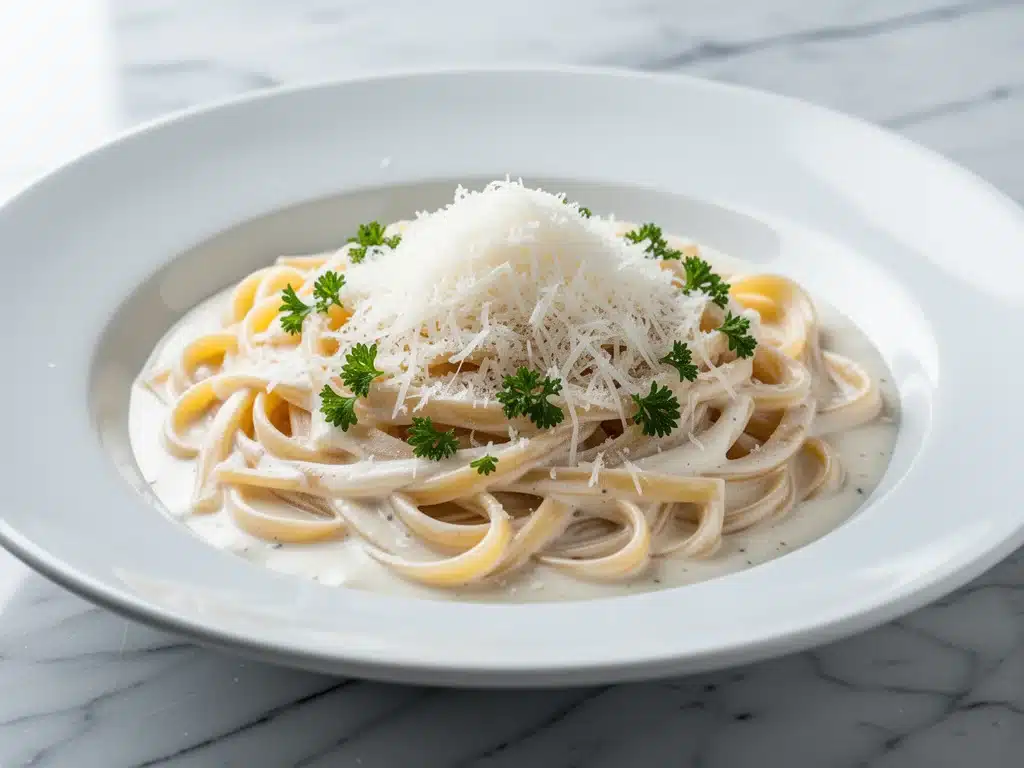
Let me start with a confession. I used to think Alfredo sauce was a scam. Not the sauce itself—I loved the taste. I loved the way it clung to hot fettuccine, rich and luxurious. I loved the first bite that made me close my eyes and sigh. But I hated the process. Every time I tried to make it from scratch, it turned into a grainy, separated mess. Sometimes it was a thick paste of clumped cheese. Other times, it was a watery soup that slid right off the pasta. I spent years buying the jarred stuff, which tasted like salt and regret, or I just gave up and ordered takeout.
The breaking point came last month. I was hosting a small dinner for friends who have very specific food opinions. One of them is a self-proclaimed Italian food purist who looks at you like you’ve committed a crime if you mention parmesan in anything other than a salad. I wanted to impress him. I wanted to show him I could make a sauce that was actually better than the jar. So, I tried three different recipes from different blogs. All of them used flour or cornstarch to thicken the cream. All of them failed. The sauce was either too thick, too starchy, or just plain weird.
I was ready to order pizza. But then, I remembered something my nonna used to say: “The secret is patience, not powder.” She didn’t use flour. She didn’t use cornstarch. She just used butter, cream, and cheese, and she had the patience to let the cheese melt slowly into the fat. I decided to try it her way, but with a modern twist: fresh parmesan and zero flour. I was skeptical. Could three ingredients really make a sauce that rivals the best Italian restaurants? I made it twice. The first time, I rushed it. The second time, I slowed down. The second time? It was magic. It was the ultra-creamy alfredo sauce with fresh parmesan without flour I had been dreaming of.
This isn’t just a recipe. It’s a liberation. Once you make this, you’ll never buy jarred sauce again. You’ll never add flour to your pasta water again. It’s simple, it’s elegant, and it tastes like you spent hours in the kitchen (even though it takes 15 minutes). I’ve made this for picky eaters, for food snobs, and for my own family who usually complains about everything. They all asked for the recipe. And now, I’m sharing it with you. Because you deserve dinner that tastes like a hug, not a chemistry experiment.
Why You’ll Love This Ultra-Creamy Alfredo Sauce
There are about a million reasons I keep making this sauce, but let’s be real: you’re here because you want something that works. You’re tired of grainy cheese and broken sauces. You want that restaurant-quality texture without the stress. Here’s why this ultra-creamy alfredo sauce with fresh parmesan without flour has completely changed my weeknight routine:
- It’s Actually Creamy (Not Starchy) — Most recipes use flour to thicken, which leaves a dusty, pasty aftertaste. This sauce gets its thickness from the emulsion of butter, cream, and cheese. It’s silky, smooth, and coats every noodle perfectly. No lumps. No powdery residue. Just pure, velvety comfort.
- Only Three Ingredients (Plus Salt and Pepper) — Seriously. Heavy cream, butter, and fresh parmesan. That’s it. You don’t need a trip to the specialty store. You don’t need exotic spices. If you can buy these three things, you can make this. It’s the ultimate pantry-to-plate recipe.
- Ready in 15 Minutes — I know, I know, you’re skeptical. But it’s true. From turning on the stove to plating the pasta, it takes 15 minutes. I make this on weeknights when I’m exhausted and just want to sit down. It’s faster than delivery, healthier than takeout, and tastes better than both.
- It’s a Blank Canvas — This sauce is delicious on its own, but it’s also the perfect base. Add grilled chicken for a classic chicken alfredo. Toss in sautéed shrimp for something fancy. Mix in roasted broccoli or spinach for a veggie-loaded meal. It adapts to whatever you have in the fridge. I even use it as a dip for crusty bread when I’m feeling lazy.
- It Tastes Better the Next Day — Okay, it’s rare that this sauce lasts until the next day (my family devours it immediately), but I’ve tested it. The flavors meld together, and it reheats beautifully. Just add a splash of milk or cream when reheating, and it’s just as good as fresh.
This is the kind of recipe that makes you feel like a pro chef, even if you’re wearing sweatpants and a t-shirt. It’s reliable, it’s delicious, and it’s going to become a staple in your kitchen. Trust me, once you taste it, you’ll wonder why you ever settled for anything else.
Ingredients You’ll Need
Here’s the best part: you probably have most of these ingredients already. I’m not asking you to hunt down obscure spices or expensive cuts of meat. This is simple, honest food. But I am particular about the quality of these ingredients, so pay attention.
For the Sauce Base
Unsalted Butter (1/2 cup / 115g) — Use good quality butter. I prefer European-style butter because it has a higher fat content, which makes the sauce richer. But any good unsalted butter works. Don’t use margarine. It won’t emulsify properly, and the sauce will break. If you use salted butter, reduce the added salt in the recipe.
Heavy Cream (1 cup / 240ml) — Full-fat heavy cream is non-negotiable here. It provides the fat needed to create a stable emulsion with the cheese. Half-and-half is too thin, and whole milk will make a watery, greasy mess. Don’t skimp. This is the foundation of the creaminess.
Fresh Parmesan Cheese (2 cups / 200g, freshly grated) — This is the most important ingredient. Do not use the green shaker can. Do not use pre-grated bagged cheese. Pre-grated cheese is coated in cellulose (anti-caking agent) to keep it from clumping. That agent prevents it from melting smoothly, and you’ll end up with a grainy, weird sauce. Buy a wedge of Parmigiano-Reggiano and grate it yourself. It takes 3 minutes and makes a world of difference. Look for the real deal—check the rind for the dotted stamp.
For the Finish
Garlic (2 cloves, minced) — Optional, but I recommend it. Fresh garlic adds a subtle depth that balances the richness of the cream and cheese. If you’re a garlic lover, use 3 cloves. If you’re not, skip it. But fresh only. No jarred garlic. It tastes metallic in this sauce.
Salt and Black Pepper — To taste. The parmesan is already salty, so taste before adding more. Freshly cracked black pepper adds a nice kick.
Red Pepper Flakes (Pinch, optional) — A tiny pinch adds warmth and complexity without making it spicy. I add this for my husband, who likes a little heat. Skip it if you prefer a mild sauce.
Fresh Parsley (2 tablespoons, chopped) — For garnish. It adds a pop of color and freshness that cuts through the richness. Not strictly necessary, but it makes the dish look and taste more vibrant.
Shopping Tips
I always buy my parmesan wedge from the cheese counter at my local grocery store. If you don’t have a good cheese counter, look for brands like BelGioioso or Boar’s Head in the refrigerated section. Avoid the pre-grated stuff at all costs. Also, make sure your heavy cream is cold when you start. It helps with the emulsion process.
Equipment Needed
You don’t need fancy equipment for this. Here’s what I actually use:
Medium Saucepan — I use a 2-quart saucepan. It needs to be heavy-bottomed to distribute heat evenly. If you use a thin pot, the cream might scorch on the bottom. A non-stick saucepan works too, but stainless steel is better for melting cheese.
Whisk — A good silicone or wooden whisk is essential. You need to whisk constantly to prevent lumps and ensure the cheese melts smoothly. A fork works in a pinch, but a whisk is much better.
Box Grater or Microplane — For grating the parmesan. A microplane makes fine, fluffy shreds that melt instantly. A box grater works too, but the shreds will be coarser. Either way, grate it fresh.
Large Pot — For boiling the pasta. I use a 6-quart pot. It needs to fit enough water for the pasta to move around freely.
Colander — For draining the pasta. Or just use the lid to drain—I do this when I’m being lazy.
Measuring Cups and Spoons — Pretty standard stuff. Dollar store versions work fine.
Optional but Nice:
- Tongs — For tossing the pasta with the sauce. Makes it easier to coat every strand.
- Garlic Press — Saves time, but mincing by hand works fine.
How to Make It: Step-by-Step
Alright, let’s make this! I’m walking you through exactly how I do it, including the little tricks I’ve picked up. This process is simple, but timing is everything.
Step 1: Prep Your Ingredients (2 minutes)
Before you start cooking, grate your parmesan cheese. I know it seems tedious, but it’s crucial. If you try to grate it while the sauce is cooking, you’ll burn the cream. Measure out your butter and heavy cream. Mince your garlic if you’re using it. Have everything within arm’s reach. Once you start cooking, things move fast.
Step 2: Melt the Butter (1 minute)
Place your saucepan over medium-low heat. Add the butter. Let it melt slowly. Do not let it brown. You want clear, golden butter. If it starts to foam too much, turn down the heat. This is the foundation of the sauce, so take your time.
Step 3: Add the Cream (1 minute)
Once the butter is melted, pour in the heavy cream. Stir gently to combine. Let it warm up for about 1 minute. Do not let it boil. You want it to be hot but not simmering. If it boils, the fat can separate, and you’ll lose that creamy texture.
Step 4: Add the Cheese (3-4 minutes)
Reduce the heat to low. This is the critical step. Add the grated parmesan cheese a handful at a time. Whisk constantly. Do not stop whisking. The cheese will start to melt, and the sauce will thicken. Keep whisking until all the cheese is melted and the sauce is smooth. This should take about 3-4 minutes. If you see lumps, keep whisking. The heat from the cream will melt them. If the sauce looks too thick, add a splash of cream. If it’s too thin, keep whisking—it will thicken as it cools slightly.
Step 5: Season and Finish (1 minute)
Remove the pan from the heat. Stir in the minced garlic, salt, and pepper. Taste the sauce. Add more salt if needed. The parmesan is salty, so go easy. Stir in the red pepper flakes if using. The sauce should be glossy, thick, and coating the back of a spoon.
Step 6: Toss with Pasta (2 minutes)
While the sauce is cooking, boil your pasta in salted water until al dente. Reserve 1 cup of pasta water before draining. Drain the pasta and add it directly to the saucepan with the alfredo sauce. Toss everything together using tongs. If the sauce is too thick, add the reserved pasta water a tablespoon at a time. The starchy water helps the sauce cling to the pasta. Toss until every noodle is coated in that ultra-creamy goodness.
Step 7: Serve
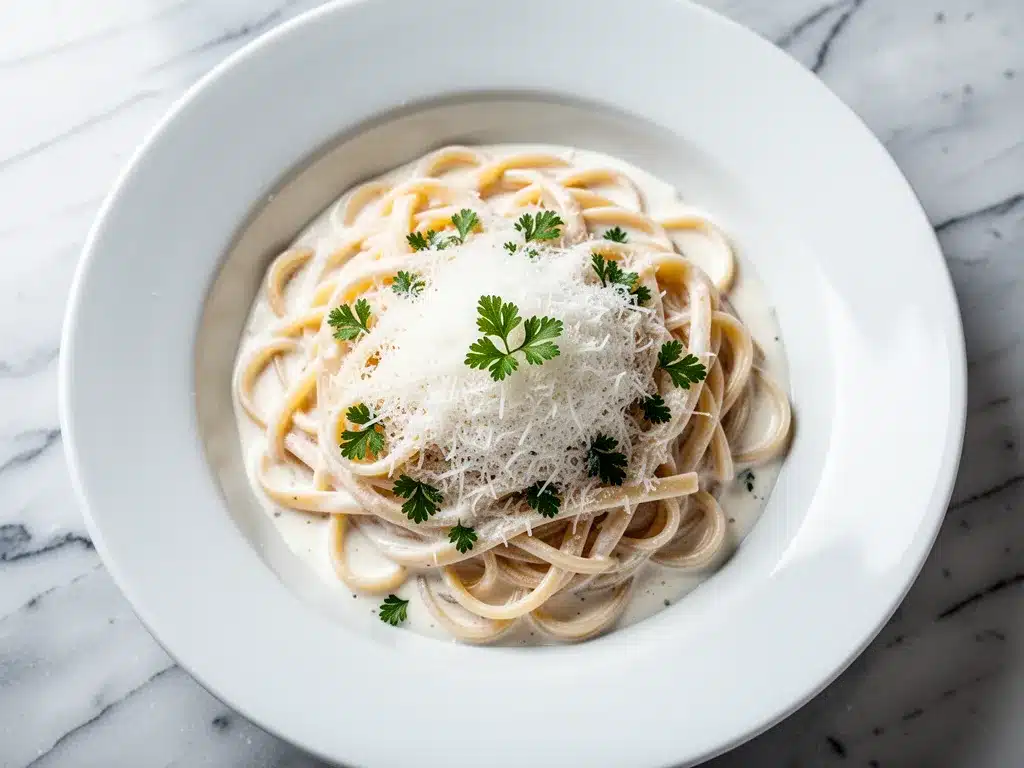
Serve immediately, topped with extra parmesan, fresh parsley, and a crack of black pepper. Enjoy while it’s hot and creamy.
Expert Tips & Tricks
Here’s everything I’ve learned from making this dozens of times. These tips will save you from my mistakes.
The Emulsion is Key
The secret to a smooth sauce is emulsion. That’s just a fancy word for mixing fat and liquid so they don’t separate. The butter and cream provide the fat, and the cheese provides the protein and starch that help bind them. Whisking constantly helps distribute the heat evenly and encourages the emulsion. If you stop whisking, the cheese might clump. So, keep that whisk moving!
Low Heat is Non-Negotiable
High heat is the enemy of alfredo sauce. If the pan is too hot, the cheese will seize up and become grainy. The butter might burn. The cream might separate. Keep the heat low and slow. It’s better to take an extra minute than to ruin the sauce. If you’re in a rush, don’t rush this step. Slow down.
Fresh Parmesan Only
I can’t stress this enough. Pre-grated cheese will ruin your sauce. The anti-caking agents prevent it from melting properly. You’ll end up with a sauce that looks and tastes wrong. Grate your own cheese from a block. It’s worth the extra 3 minutes. Your taste buds will thank you.
Reserve That Pasta Water
Starchy pasta water is magic. It helps thin the sauce if it’s too thick, and it helps the sauce cling to the pasta. Always save a cup before draining. Add it gradually until you reach the perfect consistency. Don’t just dump it all in at once.
Common Mistakes (and how to avoid them)
- Sauce is grainy: The heat was too high, or you added the cheese too fast. Remove from heat and whisk in a splash of cream to smooth it out.
- Sauce is too thick: Add pasta water or a splash of cream. Stir until smooth.
- Sauce is too thin: Let it simmer for a minute longer, or add more cheese. Be careful not to overcook, or it will separate.
- Sauce is salty: Use unsalted butter and low-sodium cream if you’re sensitive to salt. Taste before adding more.
Variations & Substitutions
Once you’ve nailed the basic version, here’s how you can mix it up. I’ve tried all of these.
Chicken Alfredo
Add 2 cups diced cooked chicken (rotisserie works great) when you add the pasta. My husband prefers this version—makes it more filling. Sear the chicken in a skillet first for extra flavor.
Shrimp Alfredo
Sauté 1lb shrimp in the butter before adding the cream. Cook until pink, then proceed with the sauce. Elegant and quick.
Veggie Alfredo
Toss in 2 cups fresh spinach and 1 cup halved cherry tomatoes in the last minute. The spinach wilts right in. This is how I get my kids to eat vegetables.
Mushroom Alfredo
Sauté 8oz sliced mushrooms with the onions (if using). Cook until golden brown. Adds earthiness and makes it feel fancier.
Lighter Version
Use half-and-half instead of heavy cream, and reduce Parmesan to 1 cup. It’s thinner but still good. I make this when I’m trying to be “healthy.”
Dairy-Free
Replace heavy cream with full-fat coconut cream and Parmesan with nutritional yeast (use 1 cup). It’s different but still tasty. My lactose-intolerant friend requests this version.
Gluten-Free
Use gluten-free pasta. Everything else is naturally gluten-free. I’ve used Barilla gluten-free and it works great.
Serving & Storage
How to Serve: I usually serve this straight from the skillet at the dinner table—it looks rustic and stays warm. But here are other ways I’ve enjoyed it:
- Garlic bread (obviously)
- Simple green salad with balsamic vinaigrette
- Roasted broccoli or green beans
- Caesar salad (when I’m feeling fancy)
Toppings Bar: When I have guests, I put out: extra Parmesan, red pepper flakes, fresh basil, lemon wedges, crispy bacon bits. Everyone customizes their bowl.
Storage Instructions:
Refrigerator: Store in an airtight container for up to 4 days. The sauce will thicken in the fridge—totally normal.
Reheating: Best method: Add to a skillet with a splash of milk or cream over low heat. Stir until heated through and creamy again. Microwave method: Heat in 30-second intervals, stirring between. Add a splash of milk if it’s too thick. Never works: Trying to reheat in the pot you cooked it in. It always burns on the bottom. Ask me how I know.
Freezing: Honestly, this doesn’t freeze well because of the dairy. The sauce separates when thawed. Make it fresh or store in the fridge for up to 4 days.
Nutrition Information
I’m not a nutritionist, but here’s the breakdown if you’re tracking.
Per Serving (based on 6 servings):
- Calories: 420
- Protein: 15g
- Carbs: 48g
- Fiber: 2g
- Sugar: 3g
- Fat: 18g
- Saturated Fat: 10g
- Cholesterol: 55mg
- Sodium: 380mg
- Calcium: 250mg
What’s Good: Decent protein from pasta and Parmesan. Calcium from the cheese. Can add vegetables to boost nutrition. More filling than it looks.
What to Know: Higher in calories from cream and cheese. Contains dairy and gluten. Moderate sodium (use low-sodium broth to reduce).
My Take: Look, this is comfort food with cream and cheese. It’s not a diet recipe. But it’s way better than takeout, costs less, and I know exactly what’s in it. When I want to make it lighter, I use the half-and-half version and load up on vegetables. But usually? I just eat a reasonable portion and enjoy it.
Final Thoughts
So that’s my go-to ultra-creamy alfredo sauce with fresh parmesan without flour! I’ve probably talked your ear off at this point, but when you make a recipe this often, you have a lot to say about it.
This has saved weeknight dinners more times than I can count. It’s my answer to “what’s for dinner” when I’m tired, don’t want takeout, and still want something that tastes really good. My kids are happy, my husband’s happy, and I’m happy because I’m not stressed about cooking.
Make it yours! Try different add-ins, swap in your favorite vegetables, adjust the garlic (though more is always better in my opinion). The best recipes are the ones you adapt to your family’s tastes.
If you make this, drop a comment and let me know what you think! I love hearing how recipes turn out in your kitchen. And if something doesn’t work, tell me that too—I’m here to help troubleshoot.
Happy cooking! And I hope your kitchen smells half as good as mine does right now.
Frequently Asked Questions
Q: Can I use milk instead of heavy cream?
A: You can, but the sauce will be much thinner and less rich. If you want to try it, use whole milk (not skim) and add 2 tablespoons of flour to thicken it. Whisk the flour into the milk before adding to the pan. I’ve done this when I ran out of cream—it works okay, just not as good as the real thing. Half-and-half is a better middle ground.
Q: My sauce came out watery—what happened?
A: Usually means you didn’t let it simmer long enough to thicken, or you added too much pasta water at the end. Let the cream mixture simmer for a full 3-4 minutes before adding cheese. If it’s already watery, turn up the heat and let it reduce for another few minutes. The cheese will also thicken it up.
Q: Can I make this ahead for a dinner party?
A: Sort of. Make the sauce up to 2 days ahead and store in the fridge. Cook the pasta fresh right before serving (takes 10 minutes). Reheat the sauce gently and toss with hot pasta. It won’t be quite as good as fresh, but it’s close and saves you stress during the party. I do this all the time.
Q: Why did my sauce get grainy/lumpy?
A: The heat was too high when you added the cheese, which made it seize up. Parmesan needs gentle heat. Always remove the pan from the burner before adding cheese, then stir it in off heat. If it’s already grainy, try whisking in a splash of warm cream—sometimes you can save it.
Q: Can I use jarred garlic?
A: You can, but fresh tastes so much better in this recipe. Jarred garlic has a weird metallic taste that really shows up in cream sauces. If you must use it, use half the amount because it’s stronger. But honestly, mincing 6 cloves takes like 2 minutes. Buy pre-peeled garlic cloves if you want to save time.
Q: How do I reheat leftovers without it getting dry?
A: Add a splash of milk or cream to a skillet, add your leftover pasta, and heat gently over low heat, stirring frequently. The extra liquid brings back the creamy texture. Microwave sort of works but tends to dry it out. If you do microwave, definitely add a splash of milk first and heat in short bursts, stirring between.
Q: Can I double this recipe?
A: Absolutely! Double everything and use your biggest pot. The cooking times stay the same. I do this when I’m meal-prepping or feeding a crowd. Just make sure your skillet is big enough for the sauce—you might need to use two pans or a very large skillet.
Pin This Recipe!
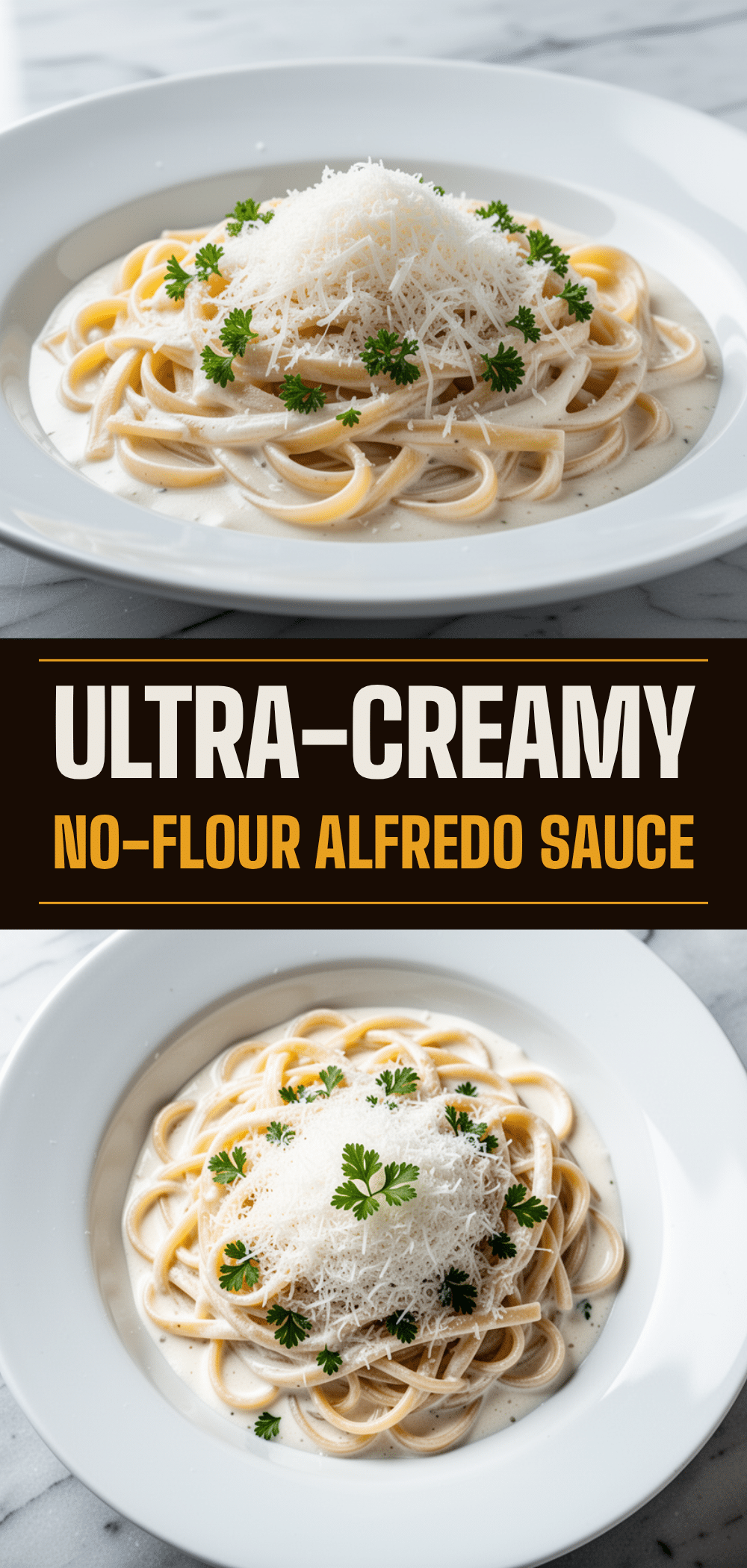

Ultra-Creamy Alfredo Sauce: Best 3-Ingredient Recipe
- Total Time: 15 minutes
- Yield: 6 servings 1x
Description
A rich, velvety Alfredo sauce made with just butter, heavy cream, and fresh Parmesan cheese. No flour or cornstarch needed for this restaurant-quality, 15-minute weeknight dinner.
Ingredients
- 1/2 cup (115g) unsalted butter
- 1 cup (240ml) heavy cream
- 2 cups (200g) freshly grated Parmesan cheese (Parmigiano-Reggiano)
- 2 cloves garlic, minced (optional)
- Salt and black pepper to taste
- Pinch of red pepper flakes (optional)
- 2 tablespoons fresh parsley, chopped (for garnish)
Instructions
- Prep ingredients: Grate the Parmesan cheese, measure the butter and cream, and mince the garlic. Have everything ready before starting.
- Melt the butter in a medium, heavy-bottomed saucepan over medium-low heat. Do not let it brown.
- Pour in the heavy cream and stir gently to combine. Warm for about 1 minute until hot but not simmering.
- Reduce heat to low. Add the grated Parmesan cheese a handful at a time, whisking constantly until fully melted and smooth (3-4 minutes).
- Remove the pan from heat. Stir in minced garlic, salt, pepper, and red pepper flakes if using.
- Boil pasta in salted water until al dente. Reserve 1 cup of pasta water before draining.
- Add the drained pasta directly to the saucepan with the sauce. Toss with tongs, adding reserved pasta water a tablespoon at a time if needed to reach desired consistency.
- Serve immediately, topped with extra Parmesan, fresh parsley, and black pepper.
Notes
Use fresh Parmesan cheese only; pre-grated cheese contains anti-caking agents that prevent smooth melting. Keep heat low to prevent the sauce from breaking or becoming grainy. Reserve pasta water to help the sauce cling to the noodles. This sauce does not freeze well due to the dairy content.
- Prep Time: 2 minutes
- Cook Time: 13 minutes
- Category: Main Course
- Cuisine: Italian
Nutrition
- Serving Size: 1 serving of pasta w
- Calories: 420
- Sugar: 3
- Sodium: 380
- Fat: 18
- Saturated Fat: 10
- Carbohydrates: 48
- Fiber: 2
- Protein: 15
Keywords: alfredo sauce, creamy pasta, 3 ingredient recipe, parmesan sauce, gluten free pasta, weeknight dinner, homemade alfredo