There is a specific kind of panic that hits at 7:15 AM on a Tuesday morning. You know the one. The alarm didn’t go off (my fault, I set it for my old gym schedule), the coffee pot is empty, and the house is already heating up like an oven before you’ve even stepped outside. Last July, I found myself standing in my kitchen in sweatpants, staring at the freezer, wondering how I was going to fuel a 30-mile hike and a day of outdoor photography without eating a bagel at 8 AM.
I was exhausted. My energy was shot. And I knew that if I grabbed the first thing in the pantry—which usually ends up being dry cereal or a granola bar—I’d be crashing by 10 AM. That morning, I dug past the ice cream and the frozen peas to find two bags of fruit I’d bought on a whim three weeks prior: frozen mango chunks and frozen pineapple tidbits. I didn’t have yogurt. I didn’t have milk. I just had water and a blender.
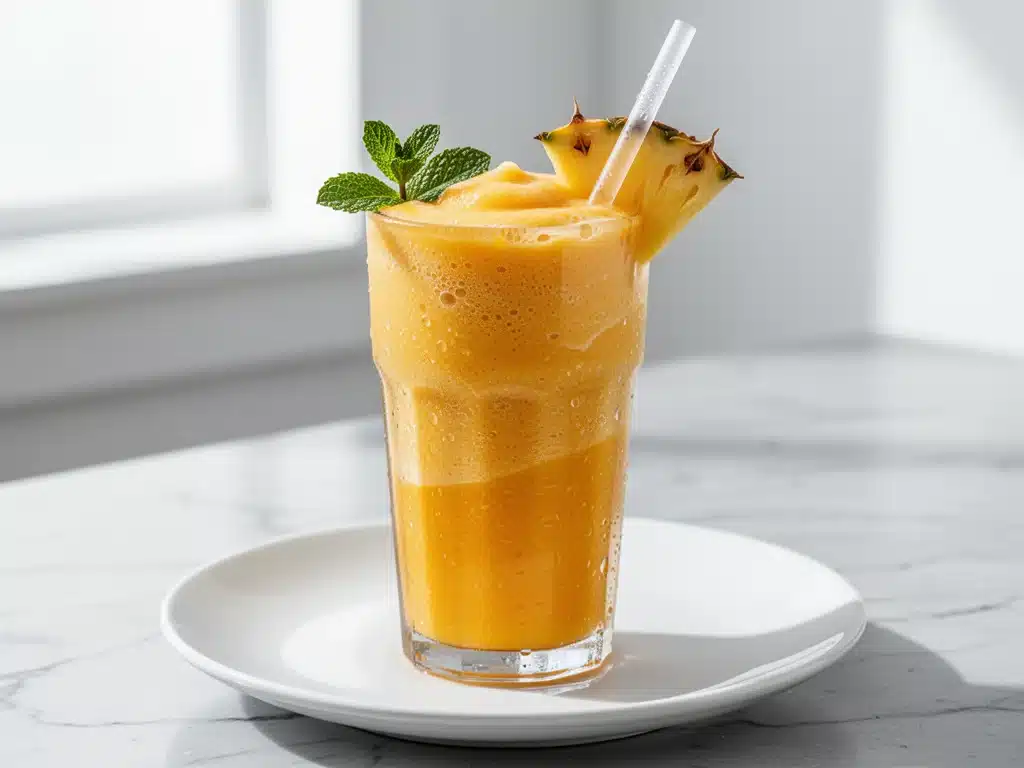
I tossed everything in, hit the high setting, and prayed. When I poured it into my favorite chipped mug, it wasn’t just a smoothie. It was a slushy, tropical, bright orange masterpiece. I took one sip and literally gasped. It tasted like vacation. It tasted like sunshine in a glass. And the best part? It didn’t leave me feeling heavy or sluggish. It hit my bloodstream like a shot of pure energy.
That was the moment I realized I’d been overcomplicating my mornings. I’d been trying to make complex breakfasts or rushing out the door with nothing but caffeine, when all I really needed was something cold, refreshing, and nutrient-dense that took less time than it takes to boil water. This frozen mango pineapple smoothie has been on my morning rotation for the last three summers. It’s the recipe I make when I’m running late, when I’m hungover, and when I just need a hug in a glass. It’s sweet, it’s tart, and it’s ridiculously easy.
If you’re tired of heavy, creamy breakfasts that weigh you down, or if you’re looking for a way to sneak more fruit into your diet without it tasting like a salad, this is your answer. I’ve tested this with different liquids, different sweeteners, and different fruit ratios, and this specific combination of frozen mango and pineapple is the gold standard. It’s the perfect balance of tropical sweetness and bright acidity that wakes up your palate before your coffee even kicks in.
Why You’ll Love This Tropical Smoothie
I’m not going to lie to you—I’m not a morning person. If I have to do more than two things before 9 AM, I’m grumpy. That’s why this smoothie isn’t just about nutrition; it’s about simplicity. It’s the only breakfast that doesn’t require me to think. Here’s why this frozen mango pineapple smoothie has completely changed my weekday mornings:
- It’s Actually Fast — I’m talking three minutes. Two minutes of tossing ingredients in the blender, one minute of pouring. That’s it. No chopping, no peeling, no cooking. If you can press a button, you can make this. I’ve made this while holding my toddler, while answering emails, and while arguing with my dog. It works every time.
- No Added Sugar Needed — This is huge for me. I hate when smoothies taste like dessert because they’re loaded with syrup or honey. The natural sweetness of ripe frozen mango and pineapple is so intense that you don’t need anything else. It’s naturally sweet, tangy, and satisfying. My kids, who usually ask for juice boxes, ask for this instead. It’s their “treat” breakfast.
- Hydrating AF — Summer mornings are deceptive. You don’t feel thirsty until you’re already dehydrated. This smoothie is mostly water-based fruit, which means you’re starting your day hydrated. I’ve noticed a huge difference in my afternoon energy levels when I start with this versus starting with a black coffee and an empty stomach.
- Pantry-Friendly (Sort Of) — You need frozen fruit, which might seem like a specific requirement, but I keep these bags stocked year-round. They’re cheaper than fresh fruit, they don’t spoil, and they give you that perfect icy texture. If you have frozen fruit in your freezer, you can make this. If you don’t, go buy a bag. It’s worth it.
- Meal Prep Perfection — This is the ultimate grab-and-go breakfast. I make a big batch of smoothie packs on Sunday mornings. I just dump the frozen fruit into a ziplock bag with a handful of spinach (you can’t taste it, I promise) and a scoop of protein powder. In the morning, I dump the bag into the blender, add liquid, and blend. It’s the same effort level as making soft baked banana oatmeal breakfast cookies, but with less baking involved.
This isn’t just a drink; it’s a system. It removes the decision fatigue from breakfast. You know exactly what you’re going to eat, you know it’s healthy, and you know it tastes amazing. It’s the kind of small win that sets the tone for the rest of your day. Plus, it’s Instagram-worthy. The color is just so vibrant and cheerful, it makes even the most stressful mornings feel a little brighter.
Ingredients You’ll Need
Here’s the thing about this smoothie: the fewer ingredients, the better. We aren’t trying to reinvent the wheel here. We’re trying to get the perfect balance of texture and flavor. I’m particular about three things in this recipe, and I’ll tell you exactly why they matter.
For the Base
Frozen Mango Chunks (2 cups / 300g) — This is the star of the show. You want unsweetened, frozen mango chunks. Not the dried kind with sugar, and not the fresh kind that turns your smoothie into soup. Frozen mango provides the thick, creamy texture that usually requires banana. If you can find organic, great. If not, standard frozen mango works perfectly fine. Look for chunks that are bright orange, not brown. Brown means they’ve been in the freezer too long or weren’t fresh to begin with.
Frozen Pineapple Tidbits (1.5 cups / 200g) — Pineapple adds that sharp, tangy kick that balances the sweet mango. It keeps the smoothie from being cloyingly sweet. Use the small tidbits or crushed pineapple that’s been frozen. If you only have pineapple chunks, chop them up small before freezing. The key is that they need to be frozen solid. This creates that slushie-like consistency. If you use fresh pineapple, you’ll need to add a cup of ice, but the texture won’t be quite as rich.
Water (1.5 cups / 350ml) — I know, water sounds boring. But water is the cleanest base for this flavor profile. It lets the fruit shine without adding extra calories or altering the taste. If you’re watching your weight, this is the way to go. If you want something richer, you can swap half the water for coconut water, which adds electrolytes and a subtle tropical flavor. I usually do a 50/50 split on weekends when I’m feeling fancy.
For the Boost (Optional)
Spinach (1 large handful / about 1 cup) — I add this because I feel guilty if I don’t get my greens in before noon. And guess what? You cannot taste it. The mango and pineapple are so strong that the spinach just disappears. It adds vitamins A and C and makes the smoothie a deeper, richer orange color. If you’re sensitive to greens, start with half a cup. If you’re a green smoothie veteran, go wild. I use baby spinach because it’s tender and blends easily.
Lemon Juice (1 tablespoon / 15ml) — This is my secret weapon. A squeeze of fresh lemon juice brightens up all the flavors. It cuts through the sweetness and makes the tropical notes pop. It’s like adding salt to chocolate, but with citrus. If you don’t have fresh lemons, a teaspoon of bottled juice works, but fresh is better. It adds a little vitamin C boost too, which is nice for immunity.
Honey or Maple Syrup (1 teaspoon, optional) — Only add this if your fruit isn’t sweet enough. Taste your frozen fruit first. If it’s super sweet, skip it. If it’s tart, add a drizzle. I usually don’t need it, but some people prefer a little extra sweetness. Start with half a teaspoon and adjust to taste.
Pro Tip: I always keep a bag of frozen mango and a bag of frozen pineapple in my freezer. They’re cheap, they last forever, and they’re ready to go. I buy them at the ethnic market because they’re often cheaper than the big grocery stores. Look for brands like Dole or Kirkland—they’re reliable and always high quality.
Equipment Needed
You don’t need fancy gadgets for this. In fact, simplicity is part of the appeal. Here’s what I actually use, and what you can swap if you don’t have it.
High-Speed Blender — I use a Vitamix, and it crushes frozen fruit like butter. But you don’t need a $500 blender. A standard blender works fine, but you might need to stop and shake it a few times to get everything blended evenly. If you have a lower-powered blender, let the frozen fruit sit out for 5 minutes before blending to soften it slightly. Or, add the liquid first, then the frozen fruit, and blend on low.
Measuring Cups — Pretty standard stuff. I use a 2-cup measuring cup for the mango and a 1-cup cup for the pineapple. You don’t need to be super precise, but getting the ratio right helps with consistency. If you eyeball it, just make sure you have more mango than pineapple.
Knife and Cutting Board — Only needed if you’re chopping fresh pineapple or lemons. If you’re using pre-frozen chunks and bottled juice, you don’t need this at all. I keep my knife sharp because dull knives are annoying and dangerous. Learned that the hard way with a stubborn onion years ago.
Mason Jars or Travel Cups — I drink this straight from the blender pitcher if I’m alone, but if I’m taking it to work or the park, I use a mason jar with a lid. It keeps it cold for a while and is easy to carry. If you have a travel mug with a lid, that works too. Just make sure it’s wide enough to fit a spoon if you want to scrape the sides.
Optional: Ice Cream Scoop — If you’re using a blender that’s hard to clean, use an ice cream scoop to get the last bits of smoothie out. It’s not necessary, but it’s satisfying. I also use a rubber spatula to scrape down the sides of the blender. It ensures you get every drop of that delicious tropical goodness.
How to Make It: Step-by-Step
Alright, let’s make this! I’m walking you through exactly how I do it, including the little tricks I’ve picked up over the years. This is so simple that you’ll wonder why you ever bought expensive smoothies from the shop.
Step 1: Prep Your Fruit (2 minutes)
Before you start blending, check your frozen fruit. If the mango chunks are stuck together in a big clump, give them a quick pulse in the blender for 5 seconds to break them up. Same with the pineapple. You want individual pieces, not a brick of ice. This helps your blender run smoother and prevents it from getting stuck. If you’re adding spinach, just tear the leaves in half if they’re large. It helps them blend more evenly.
Step 2: Add Ingredients to Blender (1 minute)
Start with the liquid. Pour your water (or coconut water) into the blender first. This is crucial. If you put frozen fruit in first, it can get stuck on the blades and burn out the motor. Liquid first, then frozen fruit. Add the frozen mango chunks, then the frozen pineapple. Add your spinach if you’re using it, and a squeeze of lemon juice. If you’re adding honey or maple syrup, add it now. Don’t overthink this step. Just dump it all in.
Step 3: Blend Until Smooth (1-2 minutes)
Put the lid on tight. I always check the lid twice because nothing is worse than a smoothie explosion. Start the blender on low speed. Let it run for 10 seconds to get the fruit moving. Then, slowly increase the speed to high. Blend for 45-60 seconds. You’re looking for a completely smooth, creamy texture with no chunks. If you see chunks, stop the blender, shake it a bit, and blend again. If your blender is struggling, add a splash more water. It’s better to have a thinner smoothie than a broken blender.
Step 4: Taste and Adjust (30 seconds)
Stop the blender and pour a little bit into a cup. Taste it. Is it too thick? Add a splash of water and blend for 10 seconds. Is it too tart? Add a teaspoon of honey or maple syrup. Is it not sweet enough? Maybe your fruit wasn’t ripe. Adjust as needed. This is the fun part. You’re the chef. Make it taste how you like it.
Step 5: Serve Immediately
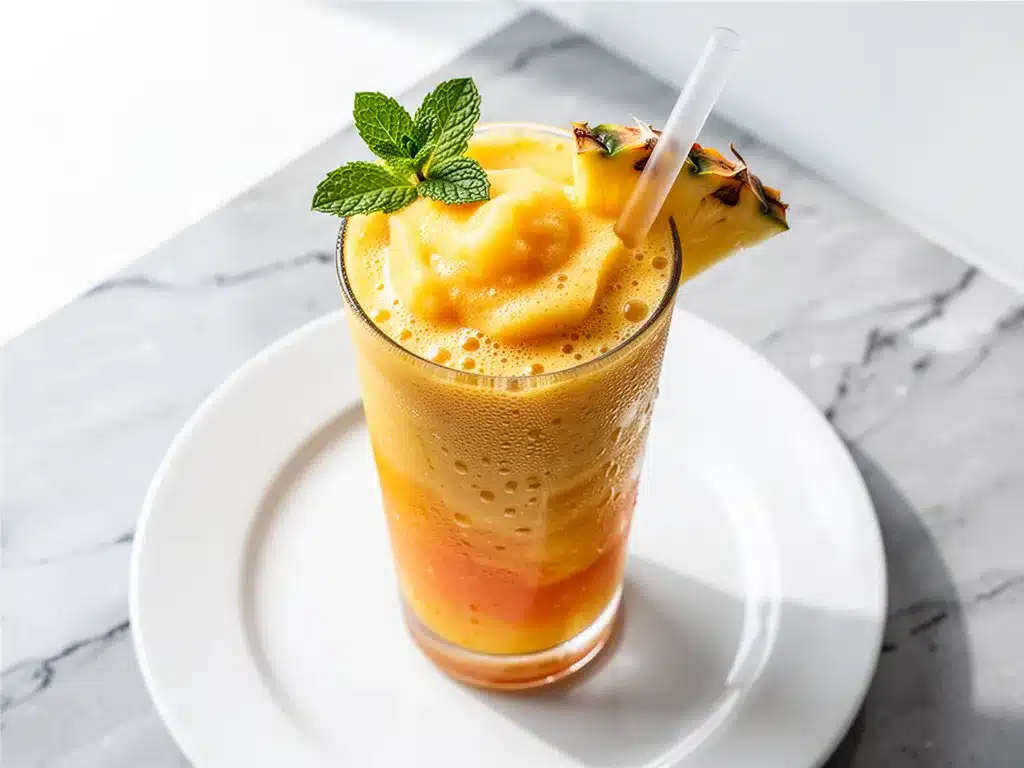
Pour it into your favorite glass or mason jar. Drink it right away. Smoothies like this start to separate after a few minutes, so it’s best enjoyed fresh. If you’re taking it to go, leave a little space at the top for ice expansion if it gets warm. Garnish with a pineapple wedge or a sprig of mint if you want to feel fancy. But honestly? It’s delicious without any garnish.
Total Time: About 5 minutes (including prep).
Yield: 1 large smoothie (about 16-20 oz).
Difficulty: Super easy. You can’t mess this up.
Expert Tips & Tricks
Here’s everything I’ve learned from making this smoothie dozens of times. These tips will save you from my mistakes and help you get that perfect texture every time.
Freeze Your Fruit Properly — The key to a thick smoothie is frozen fruit. If you use fresh fruit, you need to add a lot of ice, which dilutes the flavor. To freeze fruit properly, spread it out on a baking sheet and freeze it for an hour before putting it in a bag. This prevents it from freezing into one giant clump. I do this with mango and pineapple whenever I buy fresh fruit on sale.
Don’t Overblend — If you blend for too long, the friction from the blades can warm up the smoothie. You want it icy cold. Blend just until smooth. If your blender is powerful, 30 seconds is usually enough. If it’s weaker, maybe 60 seconds. Listen to your blender. If it sounds strained, stop and check.
Add Healthy Fats — If you want to stay full longer, add a tablespoon of chia seeds, flax seeds, or a quarter of an avocado. Avocado adds creaminess without changing the flavor. Chia seeds add fiber and protein. I usually add chia seeds because they’re easy to store and don’t change the taste. Just make sure to blend them well so they don’t get gritty.
Use Coconut Water for Electrolytes — If you’re making this after a workout, swap half the water for coconut water. It’s packed with potassium and magnesium, which helps with hydration and muscle recovery. It adds a subtle sweetness that pairs perfectly with mango and pineapple. It’s a game-changer for post-workout recovery.
Make Smoothie Packs — This is my favorite time-saving hack. On Sunday, I portion out the frozen fruit into ziplock bags. One bag per smoothie. I add the spinach and any dry boosters like protein powder or chia seeds. In the morning, I just dump the bag into the blender, add liquid, and go. It’s like having a pre-made breakfast. I keep these packs in the freezer for up to 3 months. It’s the same effort level as making no-bake peanut butter granola bites, but with less mess.
Variations & Substitutions
Once you’ve nailed the basic version, here’s how you can mix it up. I’ve tried all of these, and they’re all delicious in their own way.
Tropical Green — Add 1 cup of fresh spinach and 1/4 cup of shredded coconut. The coconut adds a nice chewy texture and enhances the tropical vibe. This is my go-to when I want to feel extra healthy. The spinach disappears completely, and the coconut makes it taste like a piña colada.
Berry Mango Twist — Swap half the pineapple for frozen strawberries or blueberries. This adds a deeper color and a different flavor profile. It’s still tropical, but with a berry kick. I like this version in the spring when berries are in season. It’s a nice change of pace from the pure mango-pineapple combo.
Protein Power — Add 1 scoop of vanilla protein powder. This makes it a more filling breakfast, perfect for days when you have a long meeting or a long hike. I use whey or plant-based protein, both work well. Just make sure to blend it longer to avoid clumps. I usually add the protein powder after the fruit and liquid, then blend on high for 30 seconds.
Yogurt Creaminess — Swap half the water for Greek yogurt. This adds protein and makes the smoothie thicker and creamier. It tastes like a dessert smoothie. I like this version when I’m craving something richer. Just make sure to use plain yogurt so it doesn’t get too sweet.
Dairy-Free Option — This recipe is naturally dairy-free if you use water or coconut water. If you want to add creaminess, use coconut yogurt or almond yogurt. Both work well and keep it plant-based. I use almond yogurt when I’m feeling light and airy, and coconut yogurt when I want something richer.
Gluten-Free — This recipe is naturally gluten-free. Just make sure your protein powder and any boosters are certified gluten-free. Most frozen fruit is gluten-free, but always check the label for cross-contamination warnings. I’m usually fine with standard brands, but some people are sensitive.
Serving & Storage
How to Serve: I usually drink this straight from the blender pitcher if I’m alone. It’s satisfying to scrape the sides with a spoon. If I’m taking it to work, I use a mason jar with a lid. It keeps it cold and is easy to carry. I like to garnish with a pineapple wedge or a sprig of mint, but it’s not necessary. The color is pretty enough on its own.
Side Dishes: This smoothie is a complete breakfast on its own, especially if you add protein powder or chia seeds. But if you want something on the side, I like it with a piece of toast or a handful of nuts. It pairs well with savory breakfasts too, like eggs or bacon. I sometimes have this with turkey cheddar pinwheels for a balanced meal. The acidity of the smoothie cuts through the richness of the pinwheels perfectly.
Storage: Smoothies are best fresh. If you store them in the fridge, they will separate and lose their texture. I don’t recommend storing this smoothie for more than an hour. If you must store it, put it in an airtight container and shake it well before drinking. But honestly, it’s not worth the hassle. Just make it fresh.
Freezing: You can freeze the smoothie in ice cube trays and blend it later for a slushie. But I find that frozen smoothies lose their flavor. It’s better to freeze the fruit and blend it fresh. I keep my smoothie packs in the freezer for up to 3 months. They’re ready to go whenever I need them.
Nutrition Information
I’m not a nutritionist, but here’s the breakdown if you’re tracking. This is per serving, based on 1 large smoothie.
Calories: 180
Protein: 2g
Carbs: 45g
Fiber: 5g
Sugar: 35g (natural fruit sugar)
Fat: 1g
Vitamin C: 200% of daily value
Vitamin A: 50% of daily value
What’s Good: This smoothie is packed with vitamin C, which is great for immunity and skin health. It’s also high in fiber, which helps with digestion. The natural sugars give you a quick energy boost without the crash of processed snacks. It’s a great way to start your day with nutrients.
What to Know: It’s high in natural sugar, so if you’re watching your sugar intake, be mindful of the portion size. The sugar comes from fruit, so it’s accompanied by fiber and nutrients, which is better than added sugar. If you’re diabetic, consult your doctor. But for most people, this is a healthy, balanced breakfast.
Final Thoughts
So that’s my go-to frozen mango pineapple smoothie! I’ve probably talked your ear off at this point, but when you make a recipe this often, you have a lot to say about it. This has saved my mornings more times than I can count. It’s my answer to “what’s for breakfast” when I’m tired, don’t want to cook, and still want something that tastes amazing.
Make it yours! Try different liquids, add different boosters, adjust the sweetness to your taste. The best recipes are the ones you adapt to your life. If you make this, drop a comment and let me know what you think! I love hearing how recipes turn out in your kitchen. And if something doesn’t work, tell me that too—I’m here to help troubleshoot.
Happy blending! And I hope your kitchen smells half as good as mine does right now.
Frequently Asked Questions
Can I use fresh mango and pineapple instead of frozen?
You can, but the texture will be different. Fresh fruit will make a thinner smoothie, so you’ll need to add a cup of ice to get that icy, slushie-like consistency. Frozen fruit is better because it provides the thickness without diluting the flavor. If you use fresh fruit, freeze it for an hour before blending to get a thicker result.
Why is my smoothie too thin?
This usually means you added too much liquid or not enough frozen fruit. Add more frozen fruit or a handful of ice and blend again. If you don’t have more frozen fruit, you can add a frozen banana, which adds thickness and creaminess. Just be aware that it will add sweetness.
Can I make this ahead of time?
I don’t recommend making it more than an hour ahead. Smoothies start to separate and lose their texture quickly. If you need to prep ahead, make smoothie packs with the frozen fruit and boosters, then add liquid and blend in the morning. It’s the same effort but ensures fresh texture.
Can I add protein powder to this?
Yes! I add a scoop of vanilla protein powder almost every time. It makes the smoothie more filling and adds protein. Just make sure to blend it longer to avoid clumps. I usually add the protein powder after the fruit and liquid, then blend on high for 30 seconds.
Is this smoothie good for weight loss?
It can be! It’s low in calories and high in fiber, which helps you feel full. If you want to make it more filling, add protein powder or chia seeds. Just be mindful of the portion size. One large smoothie is about 180 calories, which is a great breakfast size. It’s better than a bagel or pastry for weight loss.
Can I freeze this smoothie?
You can freeze it in ice cube trays and blend it later for a slushie. But I find that frozen smoothies lose their flavor. It’s better to freeze the fruit and blend it fresh. I keep my smoothie packs in the freezer for up to 3 months. They’re ready to go whenever I need them.
What kind of blender do I need?
Any blender works, but a high-speed blender like a Vitamix or Blendtec makes it easier. If you have a lower-powered blender, let the frozen fruit sit out for 5 minutes before blending to soften it slightly. Or, add the liquid first, then the frozen fruit, and blend on low.
Pin This Recipe!
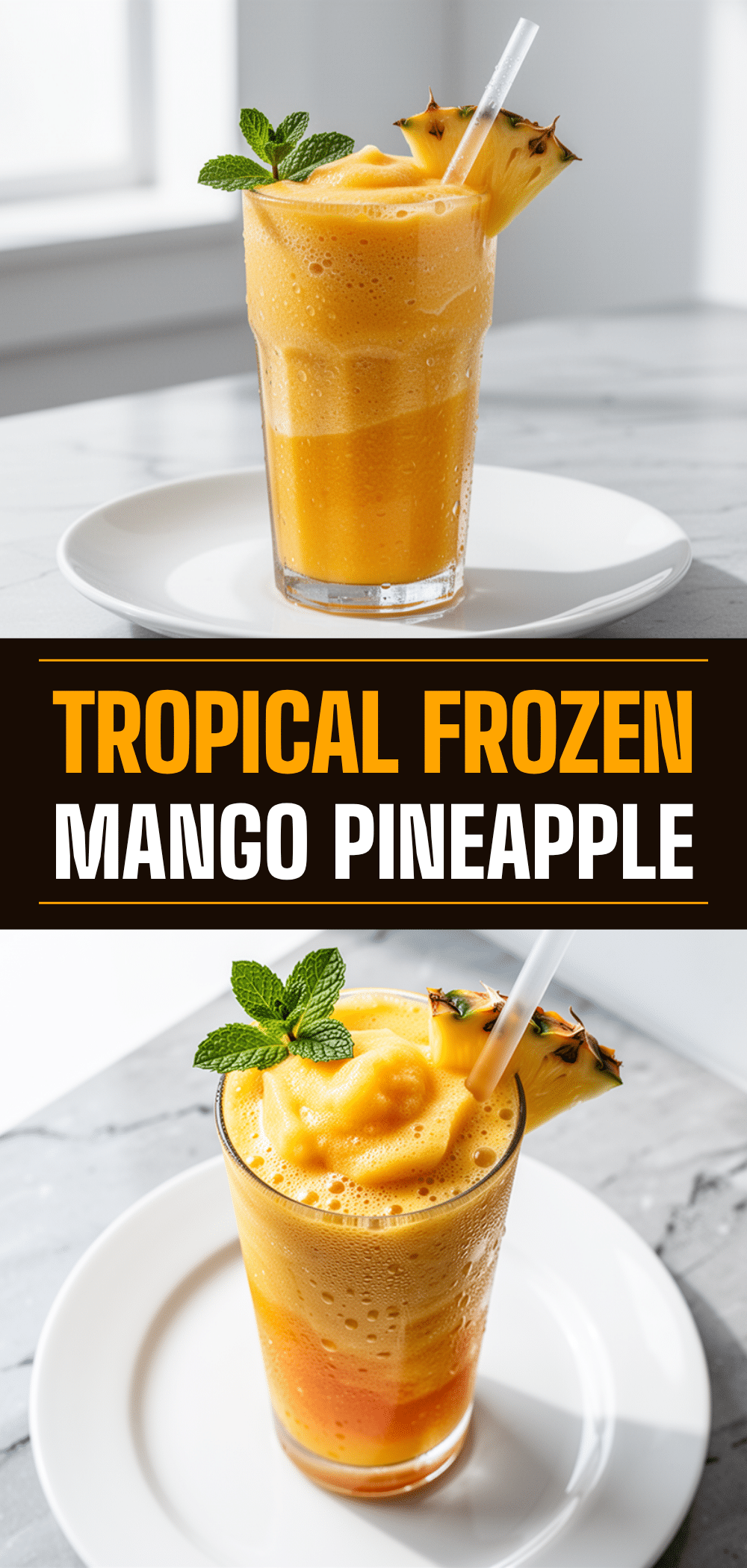
Frozen Mango Pineapple Smoothie: 3-Ingredient Breakfast
- Total Time: 5 minutes
- Yield: 1 large smoothie 1x
Description
A quick, refreshing, and nutrient-dense tropical smoothie made with frozen mango, pineapple, and water. It requires no added sugar and takes only 5 minutes to prepare.
Ingredients
- 2 cups frozen mango chunks
- 1.5 cups frozen pineapple tidbits
- 1.5 cups water
- 1 large handful spinach (optional)
- 1 tablespoon lemon juice (optional)
- 1 teaspoon honey or maple syrup (optional)
Instructions
- Check frozen fruit; pulse in blender for 5 seconds if stuck in clumps to break them up.
- Pour water into the blender first.
- Add frozen mango chunks, frozen pineapple, spinach (if using), lemon juice, and sweetener (if using).
- Blend on low speed for 10 seconds, then increase to high speed and blend for 45-60 seconds until smooth.
- Taste and adjust consistency with more water or sweetness with more honey/syrup if needed.
- Pour into a glass or mason jar and serve immediately.
Notes
For best texture, use frozen fruit rather than fresh. If using fresh fruit, add a cup of ice. To prevent clumping, freeze fruit on a baking sheet before bagging. Smoothies are best consumed immediately as they separate quickly.
- Prep Time: 2 minutes
- Cook Time: 3 minutes
- Category: Breakfast
- Cuisine: Tropical
Nutrition
- Serving Size: 1 large smoothie (ab
- Calories: 180
- Sugar: 35
- Fat: 1
- Carbohydrates: 45
- Fiber: 5
- Protein: 2
Keywords: smoothie, mango, pineapple, breakfast, healthy, vegan, gluten-free, dairy-free, quick recipe, 3-ingredient