There is a specific kind of silence that falls over a house when the wind starts howling against the windows and the temperature drops below freezing. It’s the kind of night where you don’t want anything complicated. You don’t want to chop a dozen different vegetables, you don’t want to manage five different pans, and you definitely don’t want to order takeout from a place you don’t trust.
I had one of those nights last week. The heater in my garage decided to take a permanent vacation, and I was shivering in the kitchen, staring into the fridge. I didn’t want to cook. I just wanted to feel warm. So I did what I always do when I’m cold and hungry: I made chicken noodle soup. But not the kind that comes out of a can, and not the kind that takes six hours to simmer down to a nub. I made the kind that takes 40 minutes, uses ingredients you already have, and tastes like a hug from the inside out.
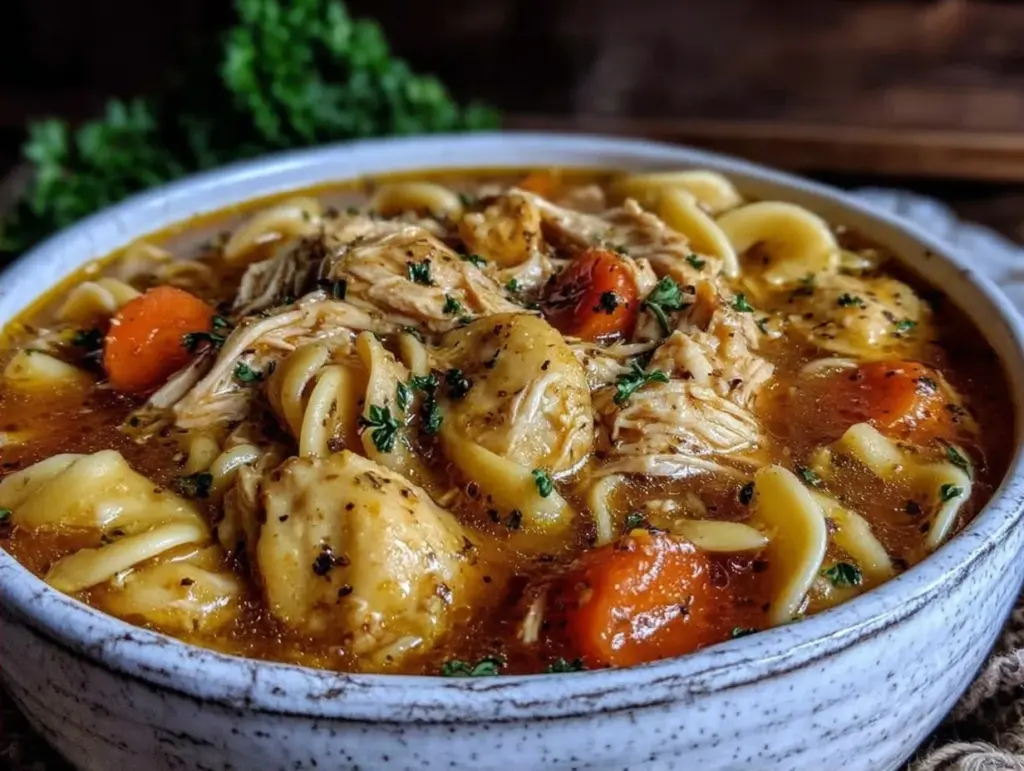
This chicken noodle soup with tender carrots and celery for cold nights has become my absolute go-to when the weather turns sour. It’s simple. It’s forgiving. And honestly? It’s the most comforting thing you can put in your body on a chilly evening. I’ve made this so many times that I can probably do it blindfolded, but I still love the ritual of it. The smell of onions and garlic hitting the oil, the sound of the broth bubbling, the way the noodles swell up and soak up all that flavor.
If you’re looking for a meal that requires zero culinary skills but delivers maximum comfort, stop scrolling. You really can’t mess this up. Let’s get cooking.
Why You’ll Love This Recipe
I know, I know. “Chicken noodle soup.” It sounds basic. But this isn’t your average box-mix sludge. This is clear, golden, vegetable-packed comfort food that actually tastes like it was made by someone who cares. Here’s why this version keeps me coming back to the stove:
It’s Beginner-Proof — Seriously. If you can chop a carrot and boil water, you can make this. There are no tricky techniques, no tempering eggs, no complex sauces. It’s just broth, chicken, veggies, and noodles. I’ve walked my niece through this recipe via phone call, and she made a perfect bowl. You don’t need experience; you just need patience.
It Uses What You Have — You probably have 80% of these ingredients right now. Chicken breasts or thighs (whatever is on sale), carrots, celery, onion, garlic, dried herbs, and noodles. It’s a pantry-friendly recipe. I keep dried thyme and parsley stocked specifically so I can throw this together on a whim when I need a reset.
The Veggies Stay Tender — One of the biggest mistakes people make with soup is overcooking the vegetables until they’re mush. In this recipe, I add the carrots and celery at a specific time so they stay slightly crisp-tender. They add texture and crunch that makes every spoonful interesting. It’s not just soft mush; it’s real food.
It Heals Everything — I don’t know if it’s the science or the psychology, but chicken soup just works. Maybe it’s the warm broth soothing a sore throat, or maybe it’s just the nostalgia of being cared for. Either way, this soup makes the cold nights feel less lonely and the hunger less urgent. It’s my “if you can only make one thing, make this” recipe for winter.
Ingredients You’ll Need
This isn’t a complicated list. That’s the beauty of it. I’m not asking you to hunt down saffron or truffle oil. Here’s what you need to make a big pot of pure comfort.
For the Base:
Olive oil (2 tablespoons) — Just regular extra virgin. You don’t need fancy stuff, but don’t use the stuff that’s been sitting in your cabinet since 2018. It makes a difference in flavor.
Yellow onion (1 medium, diced) — The foundation of flavor. Dice it small so it melts into the broth. I use yellow because they’re sweetest when cooked down.
Carrots (3 large, peeled and sliced into rounds) — Don’t skip these. They add natural sweetness and that classic orange pop of color. Slice them into coins, not strips. Coins cook more evenly.
Celery (3 stalks, chopped) — Essential for that savory depth. Chop it into small pieces, about the size of the carrots. It adds a nice crunch if you don’t overcook it.
Garlic (4 cloves, minced) — Four cloves. Yes, four. I know, it’s a lot. But in soup, garlic mellows out and becomes sweet. Don’t skimp. If you hate garlic, use two, but you’ll miss out on the depth.
Chicken broth (6 cups / 1.5 liters) — This is the main liquid. Use low-sodium broth so you can control the saltiness yourself. I prefer chicken broth over vegetable broth for that richer, meatier taste, but vegetable works if you’re keeping it vegetarian.
Chicken (1.5 pounds / 700g) — I use boneless, skinless chicken breasts for simplicity. They cook fast and shred easily. Thighs work too and are juicier, but breasts are leaner and easier to handle for beginners. Cut them into 1-inch cubes.
Dried Thyme (1 teaspoon) — Thyme is the soul of chicken soup. It’s earthy and subtle. Fresh thyme works, but you’ll need a whole bunch. Dried is easier and lasts forever in your spice rack.
Dried Parsley (1 teaspoon) — Adds a fresh, grassy note that balances the richness. If you don’t have dried, skip it. It’s nice but not critical.
Bay Leaf (1 large leaf) — This is the secret weapon. It adds a subtle, complex aroma that makes the soup taste “restaurant-quality.” Remove it before serving!
Wide Egg Noodles (8 ounces / 225g) — I use wide egg noodles because they hold up well in the broth. They get chewy and soft and soak up all that flavor. You can use any pasta you like, but egg noodles are classic for a reason.
Salt and Black Pepper — To taste. I usually start with 1 teaspoon of salt and add more at the end if needed.
Optional but Recommended:
Butter (1 tablespoon) — Stirring in a knob of butter at the very end adds a glossy finish and rich mouthfeel. It’s the difference between “good” and “amazing.”
Equipment Needed
You don’t need anything fancy. Here’s what I actually use, and what works.
Large Dutch Oven or Heavy-Bottomed Pot — I use a 6-quart Dutch oven. It holds heat well and prevents burning. A large stockpot works too, just watch the heat carefully. You need enough space for the broth to bubble without splattering everywhere.
Chef’s Knife — For chopping onions, carrots, and celery. A sharp knife is safer and faster. If yours is dull, take it to a sharpening service. It’s worth it.
Wooden Spoon — For stirring. Silicone works too. Just avoid metal if you’re using a non-stick pot.
Measuring Spoons — For the herbs. Don’t guess. A little guesswork can throw off the balance.
Colander — For draining the noodles separately. This is crucial. We don’t want mushy noodles sitting in the soup all day.
Large Ladle — For serving. Makes it easy to get both broth and veggies in one scoop.
How to Make It: Step-by-Step
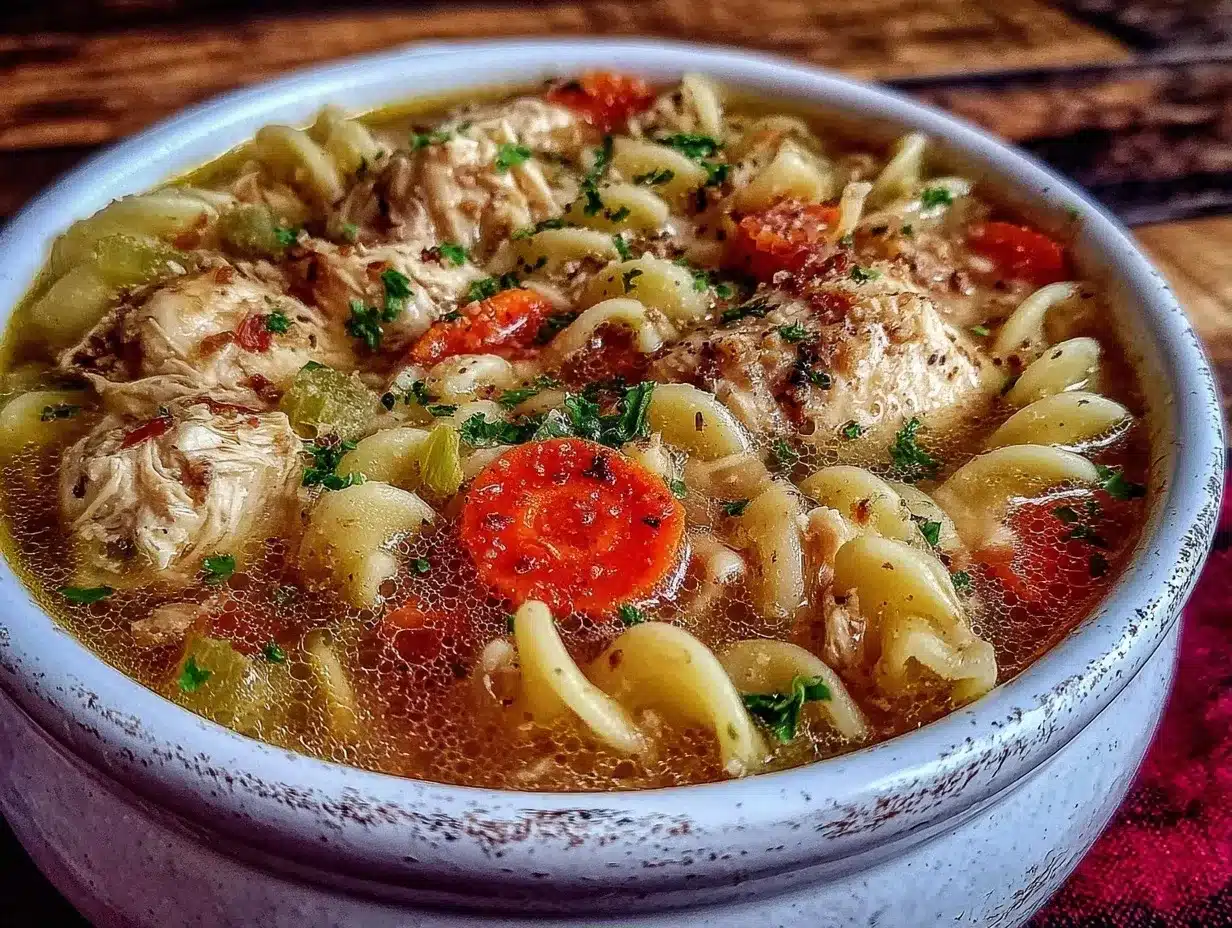
Alright, let’s make this. I’m walking you through exactly how I do it. It’s simple, so don’t overthink it. Just follow the steps.
Step 1: Prep Your Veggies (5 minutes)
Before you turn on the stove, get everything chopped. Dice the onion. Peel and slice the carrots into rounds. Chop the celery. Mince the garlic. It feels like a lot of prep, but it’s quick, and it makes the cooking part stress-free. You don’t want to be chopping while onions are burning.
Step 2: Sauté the Aromatics (5 minutes)
Heat the olive oil in your large pot over medium heat. Add the diced onion, carrots, and celery. Cook for about 5 minutes, stirring occasionally. You want the onions to become translucent and the carrots to start softening slightly. This step builds the flavor base. Don’t rush it. If you just dump everything in, it’ll taste boiled. Sautéing gives it depth.
Add the minced garlic and dried thyme. Cook for 1 more minute, until it smells amazing. Be careful not to burn the garlic. If it starts to brown, turn the heat down immediately.
Step 3: Build the Broth (5 minutes)
Pour in the chicken broth. Scrape the bottom of the pot with your wooden spoon to release any browned bits from the onions and carrots. Those bits are flavor gold. Add the bay leaf, salt, and pepper.
Bring the soup to a boil. Once it’s boiling, reduce the heat to low. Let it simmer uncovered for 10 minutes. This allows the carrot and celery flavors to infuse into the broth.
Step 4: Cook the Chicken (10 minutes)
Add the cubed chicken to the simmering broth. Make sure the chicken is submerged. If it’s not, add a splash more water or broth. Simmer gently for 10-12 minutes, or until the chicken is cooked through (internal temperature of 165°F / 74°C). The chicken will turn white and opaque.
Once cooked, use a slotted spoon to remove the chicken from the pot and set it aside on a plate. This prevents it from overcooking while you cook the noodles. You can shred it with two forks if you prefer smaller pieces, or leave it in chunks. I like chunks.
Step 5: Cook the Noodles Separately (8-10 minutes)
While the chicken is resting, cook the egg noodles in a separate pot of salted boiling water. Cook them according to the package directions, usually 7-9 minutes. Drain them well. Do NOT add them directly to the soup pot yet. If you do, they’ll absorb all the broth and turn into a paste by the time you finish eating.
Step 6: Combine and Finish (2 minutes)
Return the cooked chicken to the soup pot. Taste the broth. Add more salt and pepper if needed. Remember, the noodles will add a little saltiness, so don’t over-salt yet.
Stir in the cooked noodles. If you’re serving immediately, you can add a tablespoon of butter for extra richness. Ladle into bowls and serve hot.
Total Time: About 40 minutes (10 minutes prep, 30 minutes cooking).
Expert Tips & Tricks
Here’s everything I’ve learned from making this dozens of times. These tips will save you from common pitfalls.
Don’t Cook Noodles in the Soup — I cannot stress this enough. Egg noodles are sponges. If you cook them in the soup, they’ll soak up every drop of broth and turn into a mushy mess within an hour. Cook them separately. It’s an extra pot, but it’s worth it for the texture.
Simmer, Don’t Boil — Once you add the chicken, keep the heat low. A rolling boil will make the chicken tough and stringy. You want a gentle simmer. The chicken should be tender and juicy, not chewy.
Use Low-Sodium Broth — Store-bought broths vary wildly in salt content. If you use full-sodium broth, you might end up with soup that’s too salty. Low-sodium gives you control. You can always add more salt, but you can’t take it out.
Shred the Chicken — If you prefer bite-sized pieces, shred the chicken with two forks after removing it from the pot. It distributes the protein more evenly throughout the bowl. But if you like big chunks, leave them alone. Both are delicious.
Add Fresh Herbs at the End — If you have fresh parsley or thyme, chop a little and stir it in right before serving. It adds a burst of fresh color and flavor that dried herbs can’t match. It’s the final polish.
Variations & Substitutions
Once you’ve nailed the basic version, here’s how you can mix it up. I’ve tried all of these.
Rice Instead of Noodles — Use 1 cup of white rice instead of noodles. Add it to the broth with the chicken and simmer for 20 minutes. It’s a gluten-free option and changes the texture completely. I like rice for a lighter feel.
Add Spinach or Kale — Stir in 2 cups of fresh spinach or chopped kale in the last 2 minutes of cooking. It wilts instantly and adds a nutritious green boost. Great for getting veggies into kids who usually refuse them.
Mushroom Version — Sauté 8oz of sliced mushrooms with the onions and carrots. Mushrooms add an earthy, meaty flavor that makes the soup feel heartier. It’s like a vegetarian version without losing satisfaction.
Spicy Kick — Add a pinch of red pepper flakes or a dash of hot sauce when you add the broth. It adds a subtle warmth that cuts through the creaminess. Good for really cold nights.
Gluten-Free — Use gluten-free egg noodles or rice. Everything else is naturally gluten-free. I’ve used brown rice pasta and it works, though the texture is slightly different.
Serving & Storage
How to Serve:
I usually serve this straight from the pot with a crusty piece of bread on the side. Garlic bread is obvious, but a simple baguette with butter is perfect for dipping. A side salad with a light vinaigrette balances the heaviness of the soup.
Reheating:
If you have leftovers, store the soup (without noodles) in an airtight container in the fridge for up to 4 days. When reheating, add a splash of water or broth if it’s too thick. Cook fresh noodles separately and add them to the reheated soup. Do not reheat noodles that have been sitting in the soup—they will be mushy.
Freezing:
You can freeze the soup base (broth, veggies, chicken) for up to 3 months. Do not freeze with noodles. Thaw in the fridge overnight, reheat, and cook fresh noodles. The texture of frozen-thawed noodles is unpleasant, so keep them separate.
Nutrition Information
I’m not a nutritionist, but here’s the breakdown if you’re tracking. This is per serving (based on 6 servings).
- Calories: 320
- Protein: 28g
- Carbs: 35g
- Fiber: 3g
- Sugar: 4g
- Fat: 8g
- Sodium: 680mg (varies by broth)
It’s a balanced meal with good protein from the chicken and carbs from the noodles. The veggies add fiber and vitamins. It’s comfort food that doesn’t leave you feeling heavy and sluggish.
Final Thoughts
So that’s my chicken noodle soup with tender carrots and celery for cold nights. It’s simple, it’s forgiving, and it tastes better than anything you’ll get from a restaurant. I’ve made this when I was sick, when I was sad, and when I was just hungry. It always works.
There’s something magical about a pot of soup bubbling on the stove. It slows you down. It reminds you to care for yourself and your family. And the best part? You really can’t mess it up. Just chop, simmer, and eat.
If you make this, let me know how it goes! I love hearing from readers who try these simple recipes. And if you’re looking for more easy, comforting meals, check out my cozy chicken and wild rice soup or my fall chicken and dumplings for more warm-weather vibes.
Happy cooking! May your kitchen be warm and your bowls be full.
Frequently Asked Questions
Can I use rotisserie chicken?
Absolutely. That’s actually my favorite way to do it. Shred a rotisserie chicken and add it in the last 5 minutes of cooking. It saves time and adds great flavor. Just skip the step where you simmer the raw chicken.
Why is my soup too salty?
Probably the broth. If you used full-sodium broth, it might be too much. Try adding a peeled potato to the pot and simmering for 10 minutes. It absorbs some salt. Or, add a splash of water or unsalted broth to dilute it. You can also add a squeeze of lemon juice to balance the saltiness with acidity.
Can I make this in a slow cooker?
Yes. Sauté the onions, carrots, and celery first (you can’t do this in a slow cooker, so do it in a pan). Then add everything to the slow cooker except the noodles. Cook on low for 6 hours or high for 3 hours. Cook noodles separately and add them right before serving.
What kind of noodles are best?
Wide egg noodles are classic. I also like wide fettuccine or even broken spaghetti. Avoid thin noodles like angel hair, as they cook too fast and can disintegrate. You want something with some chew.
Can I add other vegetables?
Of course. Peas, corn, green beans, or zucchini all work well. Add delicate veggies like peas and zucchini in the last 5 minutes. Harder veggies like potatoes or parsnips can go in with the carrots. Just adjust cooking times as needed.
How long does it last?
In the fridge, the soup base (without noodles) lasts up to 4 days. The noodles should always be cooked fresh. If you leave noodles in the soup, they’ll absorb the broth and become mushy within a day.
Pin This Recipe!
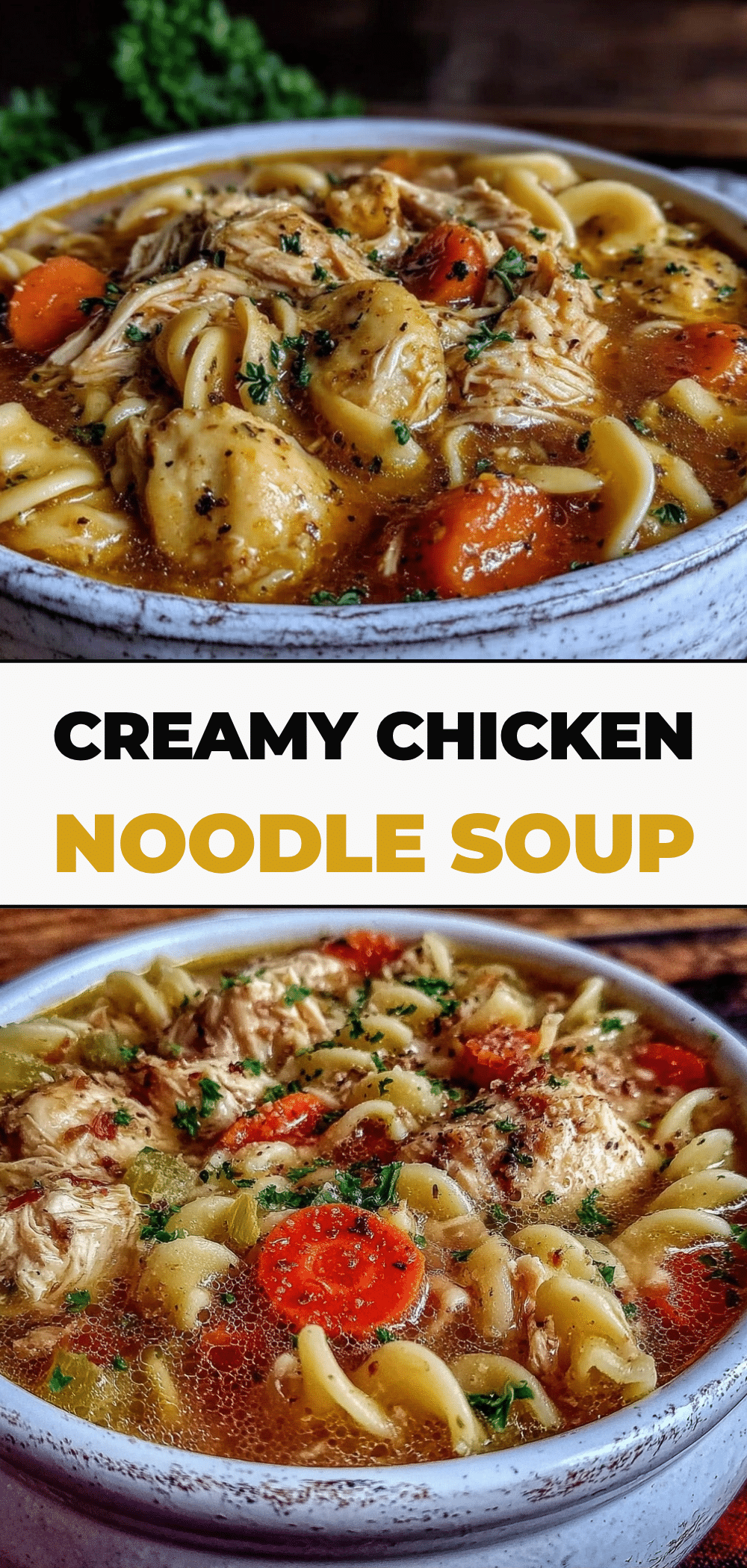

Chicken Noodle Soup: Easy & Foolproof Comfort Food
- Total Time: 40 minutes
- Yield: 6 servings 1x
Description
A simple, beginner-proof chicken noodle soup that uses pantry staples and takes only 40 minutes to make. This recipe features tender vegetables, juicy chicken, and wide egg noodles for maximum comfort on cold nights.
Ingredients
- 2 tablespoons olive oil
- 1 medium yellow onion, diced
- 3 large carrots, peeled and sliced into rounds
- 3 stalks celery, chopped
- 4 cloves garlic, minced
- 6 cups chicken broth (low-sodium recommended)
- 1.5 pounds boneless, skinless chicken breasts, cut into 1-inch cubes
- 1 teaspoon dried thyme
- 1 teaspoon dried parsley
- 1 large bay leaf
- 8 ounces wide egg noodles
- Salt and black pepper to taste
- 1 tablespoon butter (optional, for finishing)
Instructions
- Prep vegetables: Dice the onion, slice carrots into rounds, chop celery, and mince the garlic.
- Sauté aromatics: Heat olive oil in a large pot over medium heat. Add onion, carrots, and celery; cook for 5 minutes until onions are translucent. Add garlic and thyme; cook for 1 more minute.
- Build broth: Pour in chicken broth, scraping the bottom of the pot. Add bay leaf, salt, and pepper. Bring to a boil, then reduce heat to low and simmer uncovered for 10 minutes.
- Cook chicken: Add cubed chicken to the simmering broth. Simmer gently for 10-12 minutes until chicken reaches 165°F. Remove chicken with a slotted spoon and set aside.
- Cook noodles separately: Boil egg noodles in a separate pot of salted water according to package directions (usually 7-9 minutes). Drain well.
- Combine and finish: Return chicken to the soup pot. Taste and adjust seasoning. Stir in cooked noodles. Add butter if desired. Serve hot.
Notes
Cook noodles separately to prevent them from absorbing all the broth and becoming mushy. Use low-sodium broth to control saltiness. For a gluten-free version, substitute rice or gluten-free noodles. Leftovers can be stored in the fridge for up to 4 days (without noodles).
- Prep Time: 10 minutes
- Cook Time: 30 minutes
- Category: Main Course
- Cuisine: American
Nutrition
- Serving Size: 1 bowl
- Calories: 320
- Sugar: 4
- Sodium: 680
- Fat: 8
- Saturated Fat: 2
- Carbohydrates: 35
- Fiber: 3
- Protein: 28
Keywords: chicken noodle soup, comfort food, easy soup, winter recipe, beginner cooking, healthy soup, quick dinner