There was a Thanksgiving a few years ago where I completely panicked. I had roasted a turkey that was dry, the stuffing was a bit too dense, and the gravy had split into a weird oily mess. I was sitting there, staring at the empty space where the vegetables should have been, realizing I had forgotten to plan a side dish entirely. My mother-in-law, bless her heart, handed me a bowl of plain steamed green beans and said, “Eat something before you crash.” It was fine. It was edible. But it wasn’t memorable.
That night, I made a silent vow. I would never let my table feel incomplete or bland again. I started experimenting with winter squash because it’s the ultimate comfort food—sweet, earthy, and forgiving. I tried roasting cubes, I tried mashing it into a soup, and I tried stuffing it with wild rice. But the moment that truly stuck was when I threw some halved acorn squash into the oven with just a little bit of butter and fresh sage leaves. The result? Golden, caramelized edges, tender flesh that melted in your mouth, and that incredible nutty aroma that makes your whole house smell like a cozy cabin.
This Acorn Squash with Sage Butter recipe has become my absolute go-to for any fall gathering. It’s not just a side dish; it’s the star of the show. I’ve made this for holiday dinners, casual weeknight dinners, and even potlucks where I was worried about bringing something “too simple.” It’s never too simple. It’s elegant enough for guests but easy enough to make when you’re wearing sweatpants and haven’t showered yet (don’t judge me, I’ve been there).
Here’s the thing about acorn squash: people are intimidated by it. They think it’s hard to cut or hard to cook. It’s not. Once you learn the trick to getting it tender without turning it into mush, you’ll wonder why you ever bought canned vegetables again. This recipe uses five ingredients, takes about 45 minutes, and is practically impossible to mess up. If you can only make one thing from this site this season, make this. Seriously.
Why You’ll Love This Recipe
I’ve tested this method more times than I care to admit, mostly because my family keeps asking for it every time squash is in season. There are specific reasons this recipe works so well, and I’m not just saying that because I’m biased (okay, maybe a little).
It’s Foolproof for Beginners — I’m not exaggerating when I say you really can’t mess this up. You don’t need to be a chef. You don’t need fancy techniques. You just need to scoop out the seeds and roast it. I’ve walked my teenage nephew through this recipe over the phone, and he did it perfectly. The worst that happens is it gets a little darker, which just adds more flavor.
Five Ingredients, Maximum Flavor — You probably have everything you need already. Acorn squash, butter, fresh sage, salt, and pepper. That’s it. No weird spices you won’t use again. No complicated sauces. Just pure, seasonal flavor. It’s minimalism at its best.
It’s Naturally Gluten-Free and Healthy — This is a great way to get your kids (and yourself) to eat vegetables without them even realizing it. Acorn squash is packed with vitamins A and C, fiber, and potassium. It’s hearty enough to be a meal in itself if you add some protein on the side.
It Looks Impressive — Because you roast the squash whole (well, halved), it looks beautiful on the plate. The caramelized butter and crispy sage leaves make it look like you spent hours in the kitchen. It’s the perfect “I didn’t try too hard but I look amazing” dish.
It Pairs with Everything — Whether you’re serving it with healthy chicken fajita bowl components or alongside a roast, it fits right in. It’s versatile enough to be a side for Thanksgiving or a main course for a quiet Tuesday night.
Ingredients You’ll Need
This is the beauty of this recipe. You don’t need to go to three different stores. You don’t need to order specialty items online. Here’s what you need to make this magic happen.
The Star
Acorn Squash (2 medium, about 2 lbs each) — Look for squash that feels heavy for its size. That means it’s full of moisture and sweetness. The skin should be a deep, matte green with some white stripes. Avoid any squash with soft spots or cracks. If you can’t find acorn squash, butternut squash works too, but the texture is different. For a similar roasted experience, check out my cozy fall butternut squash soup if you want to use up extra squash later.
The Flavor Builders
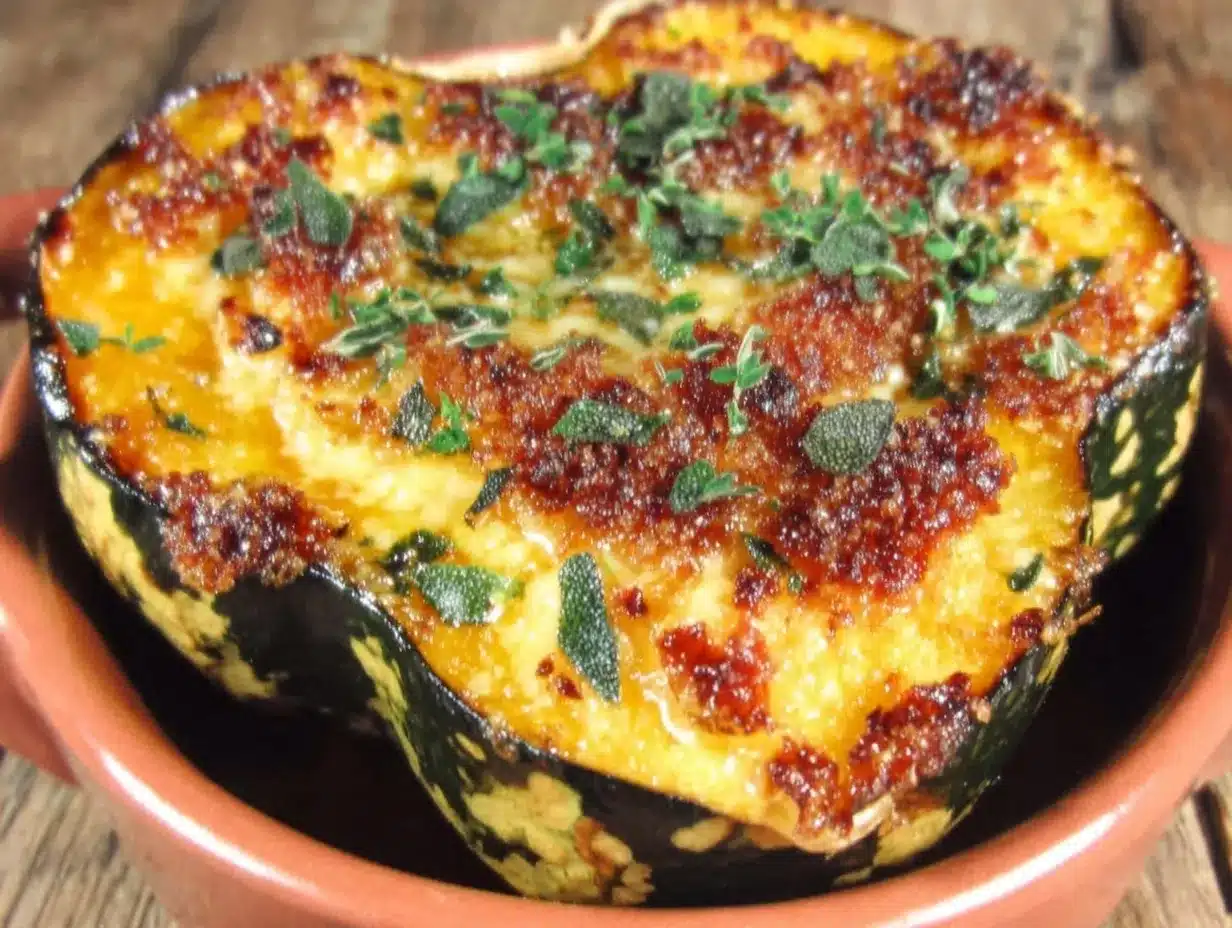
Unsalted Butter (4 tablespoons) — I use unsalted so I can control the sodium. But really, I use it because it has that rich, creamy flavor that blends perfectly with the sage. Salted butter works, but reduce the added salt in the recipe.
Fresh Sage Leaves (12-15 leaves) — Fresh sage is non-negotiable here. Dried sage tastes like potpourri in this context. You want that piney, earthy aroma. If you can’t find fresh sage, you can substitute with 1 teaspoon of dried sage, but fresh is so much better. Look for vibrant green leaves, not yellowing ones.
Extra Virgin Olive Oil (1 tablespoon) — A little bit of oil helps the butter brown without burning. It also adds a nice fruity note that balances the sweetness of the squash.
The Seasoning
Kosher Salt (1 teaspoon) — Use kosher or sea salt. Table salt is too fine and can make the dish too salty if you’re not careful. I always recommend kosher for cooking because it’s easier to control.
Freshly Cracked Black Pepper (½ teaspoon) — Freshly cracked is key. Pre-ground pepper loses its flavor quickly. Grab your pepper mill and give it a good grind.
Optional Add-Ins
Brown Sugar or Maple Syrup (1 tablespoon) — If you like your squash extra sweet, add a drizzle of maple syrup or a sprinkle of brown sugar. It caramelizes beautifully. I usually skip this because the squash is naturally sweet enough, but it’s a great option for picky eaters.
Nuts (¼ cup pecans or walnuts, chopped) — For some crunch, sprinkle toasted nuts over the top before serving. It adds a nice texture contrast to the soft squash.
Equipment Needed
You don’t need a fancy kitchen for this. Here’s what I actually use. If you don’t have these exact items, don’t worry. I’ve improvised and it still works.
Rimmed Baking Sheet — I use a standard half-sheet pan. Make sure it has a rim so the butter doesn’t spill over and burn in your oven. A large cutting board or a rimmed roasting pan works too.
Sharp Chef’s Knife — Cutting through raw acorn squash can be tough. A sharp knife makes this so much easier and safer. If your knife is dull, use a smaller, serrated knife to score the skin first.
Spoon — A regular teaspoon or tablespoon works fine for scooping out the seeds. You don’t need a special scoop.
Paper Towels — To pat the squash dry after washing. Moisture is the enemy of caramelization, so dry it off well.
Small Saucepan or Microwave-Safe Bowl — To melt the butter and fry the sage. You can also do this in a small skillet over low heat.
How to Make It: Step-by-Step
Alright, let’s make this! I’m walking you through exactly how I do it. It’s simple, but there are a few tricks to get it perfect.
Step 1: Prep the Oven and Pan (5 minutes)
Preheat your oven to 400°F (200°C). Line your baking sheet with parchment paper or aluminum foil. This makes cleanup a breeze. I always line it because butter splatters are inevitable, and I don’t want to scrub my pan later.
Step 2: Cut the Squash (10 minutes)
Wash the squash thoroughly. Place it on a stable cutting board. Cut it in half lengthwise, from stem to root. This is the hardest part. If it’s too hard to cut, microwave it for 1-2 minutes to soften the skin slightly. Once it’s halved, use a spoon to scoop out the seeds and stringy pulp. Don’t throw away the seeds! You can roast them later if you want a snack (just clean them and roast with salt and oil).
Step 3: Season the Squash (2 minutes)
Pat the cut sides dry with paper towels. This is important for browning. Drizzle the cut sides with a little olive oil and sprinkle with salt and pepper. Rub it in gently. Place the squash cut-side down on the baking sheet. Roasting cut-side down steams the squash slightly, making it tender faster.
Step 4: Roast the Squash (25-30 minutes)
Put the pan in the oven. Roast for 25-30 minutes. You’ll know it’s done when a fork slides easily into the thickest part of the flesh. The edges should start to caramelize and turn golden brown. If you like it extra crispy, flip it cut-side up for the last 5 minutes and broil for 1-2 minutes. Watch it closely so it doesn’t burn!
Step 5: Make the Sage Butter (5 minutes)
While the squash roasts, melt the butter in a small saucepan over low heat. Add the sage leaves. Fry them for about 30-60 seconds until they are crispy and fragrant. Be careful not to burn the sage; it turns bitter quickly. Remove from heat.
Step 6: Combine and Serve
Remove the squash from the oven. Carefully flip it cut-side up. Drizzle the hot sage butter over the flesh. The heat from the squash will keep the butter warm and aromatic. Serve immediately while it’s hot and steaming.
Total Time: About 45 minutes (15 minutes active, 30 minutes hands-off).
Expert Tips & Tricks
Here’s everything I’ve learned from making this dozens of times. These tips will save you from my mistakes.
Choose the Right Squash — Look for a squash that is heavy for its size. That indicates it’s full of moisture and sweetness. If it feels light, it might be dry or pithy inside. Also, check for a hard skin. If you can puncture it with your fingernail, it’s not ready yet.
Don’t Skip the Drying Step — After washing the squash, make sure you pat it dry. Any excess water will prevent the butter from sticking and the edges from browning. You want caramelization, not steaming.
Fry the Sage Correctly — Sage needs gentle heat. If the butter is too hot, the sage will burn in seconds. Keep it on low heat and watch it closely. It’s done when it’s crispy and doesn’t move much in the butter.
Save the Seeds — Don’t throw them away! Rinse them, pat them dry, toss with a little oil and salt, and roast at 350°F for 10-15 minutes. They’re delicious and you’re getting more food out of your squash.
Adjust for Size — Acorn squash can vary in size. If yours are huge, you might need to roast them for 35-40 minutes. If they’re small, 20-25 minutes might be enough. Check with a fork to be sure.
Variations & Substitutions
Once you’ve nailed the basic version, here’s how you can mix it up. I’ve tried all of these.
Maple Glazed — Add 1 tablespoon of maple syrup to the sage butter. It adds a nice sweetness that pairs well with the earthy sage.
Garlic Infused — Add 2 cloves of minced garlic to the butter right before adding the sage. It adds a savory depth that’s amazing.
Herb Swap — If you can’t find fresh sage, you can use fresh thyme or rosemary. Thyme is particularly good with squash. Just adjust the frying time slightly.
Cheesy Version — Sprinkle some grated Parmesan or Pecorino cheese over the squash after adding the sage butter. It melts slightly and adds a salty kick.
Vegan Option — Use olive oil or vegan butter instead of dairy butter. The rest of the recipe stays the same. It’s just as delicious.
Serving & Storage
How to Serve: I usually serve this straight from the baking sheet to the table. It looks rustic and stays warm. It pairs beautifully with roast chicken, pork chops, or even a ground beef stroganoff for a hearty meal.
Side Dishes: It goes well with green beans, roasted Brussels sprouts, or a simple green salad. It’s also great alongside mediterranean chicken skewers for a balanced plate.
Storage: Store leftovers in an airtight container in the fridge for up to 3 days. The squash will soften further as it cools.
Reheating: Reheat in the oven at 350°F for 10-15 minutes to restore some texture. You can also microwave it, but it might get a bit mushy. Add a little fresh butter when reheating to bring back the flavor.
Freezing: I don’t recommend freezing this dish. The texture of the squash changes when frozen and thawed. It’s best enjoyed fresh.
Nutrition Information
I’m not a nutritionist, but here’s the breakdown if you’re tracking.
Per Serving (based on 4 servings):
- Calories: 180
- Protein: 2g
- Carbs: 18g
- Fiber: 4g
- Sugar: 4g
- Fat: 12g
- Saturated Fat: 7g
- Cholesterol: 30mg
- Sodium: 250mg
- Vitamin A: 150% DV
- Vitamin C: 25% DV
What’s Good: High in vitamins A and C, good source of fiber, naturally gluten-free.
What to Know: Contains dairy (butter). Moderate in calories, but very nutrient-dense.
Final Thoughts
So that’s my go-to Acorn Squash with Sage Butter! I’ve probably talked your ear off at this point, but when you make a recipe this often, you have a lot to say about it.
This has saved my dinner parties more times than I can count. It’s my answer to “what’s for dessert?” when I want something sweet but not too heavy. Or what’s for dinner when I want something healthy but comforting. My kids are happy, my husband’s happy, and I’m happy because I’m not stressed about cooking.
Make it yours! Try different add-ins, swap in your favorite herbs, adjust the sweetness. The best recipes are the ones you adapt to your family’s tastes.
If you make this, drop a comment and let me know what you think! I love hearing how recipes turn out in your kitchen. And if something doesn’t work, tell me that too—I’m here to help troubleshoot.
Happy cooking! And I hope your kitchen smells half as good as mine does right now.
Frequently Asked Questions
Can I use frozen sage?
You can, but fresh sage is so much better. Frozen sage can be a bit soggy when fried. If you must use frozen, thaw it and pat it very dry first. But really, fresh is the way to go for that crispy texture.
Why is my squash still hard?
It probably needs more time. Acorn squash can be dense. Check it with a fork after 25 minutes. If it’s still hard, roast for another 10 minutes. Also, make sure your oven is preheated correctly. An oven thermometer can help if you’re unsure.
Can I make this ahead for a dinner party?
Yes! You can roast the squash up to 2 days ahead and store it in the fridge. Reheat it in the oven before serving. Make the sage butter fresh right before serving to keep the sage crispy. It’s a great time-saver.
What other squashes can I use?
Butternut squash, delicata squash, or kabocha squash all work well. Delicata is particularly easy because you don’t need to peel it. Just adjust the cooking time based on the size and density of the squash.
Can I add nuts to this?
Absolutely! Toasted pecans, walnuts, or pumpkin seeds add a nice crunch. Sprinkle them on top right before serving. It adds a nice texture contrast to the soft squash.
Is this recipe gluten-free?
Yes, this recipe is naturally gluten-free. Just make sure your butter and other ingredients are certified gluten-free if you have celiac disease or a severe allergy.
Can I use salted butter?
Yes, but reduce the added salt in the recipe. Salted butter varies in salt content, so taste before adding more. Unsalted butter gives you more control over the final flavor.
Pin This Recipe!
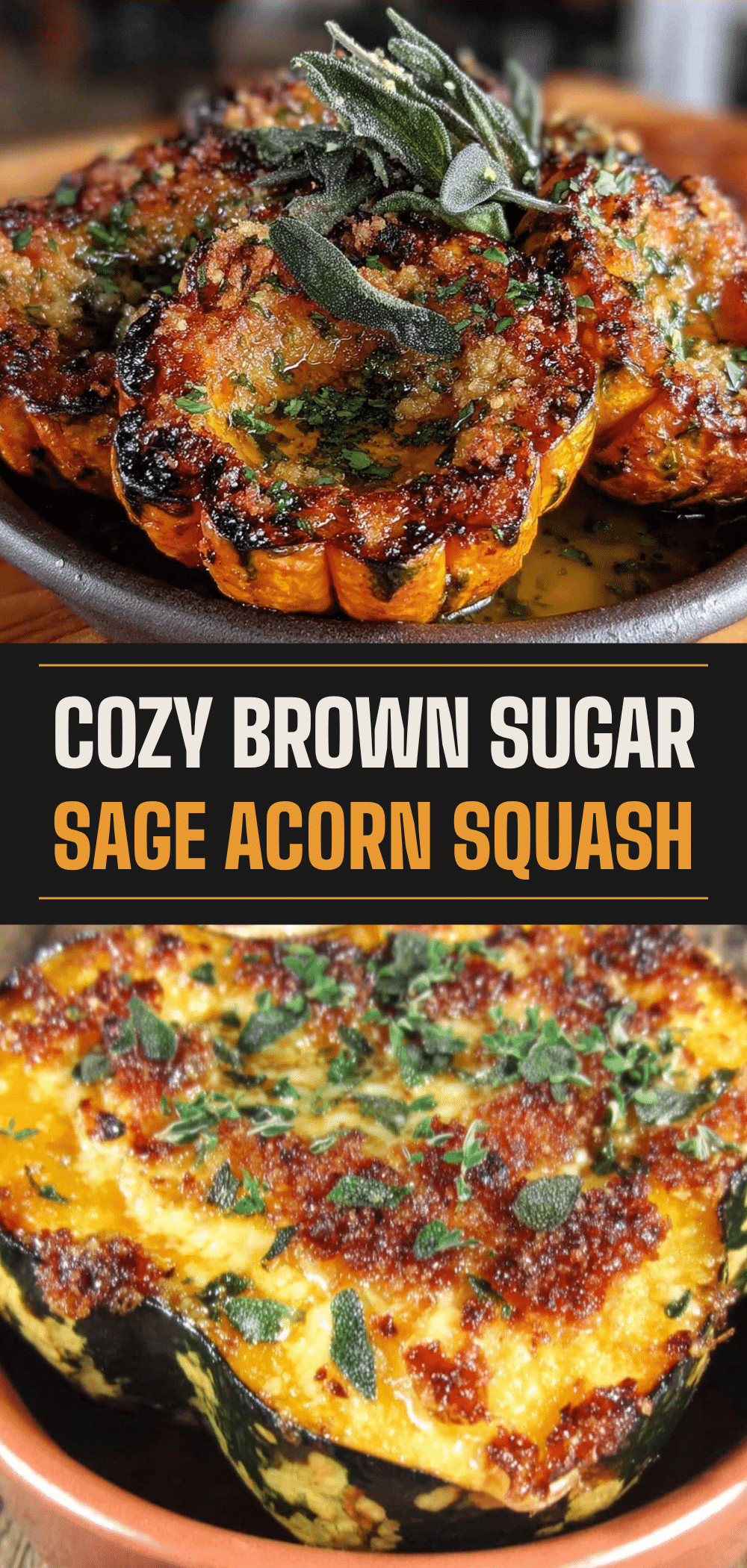

Acorn Squash with Sage Butter: Easy Fall Side Dish
- Total Time: 45 minutes
- Yield: 4 servings 1x
Description
A simple, elegant, and foolproof side dish featuring roasted acorn squash topped with crispy sage-infused butter. This naturally gluten-free recipe is perfect for fall gatherings and holiday dinners.
Ingredients
- 2 medium acorn squash (about 2 lbs each)
- 4 tablespoons unsalted butter
- 12–15 fresh sage leaves
- 1 tablespoon extra virgin olive oil
- 1 teaspoon kosher salt
- ½ teaspoon freshly cracked black pepper
- 1 tablespoon brown sugar or maple syrup (optional)
- ¼ cup chopped pecans or walnuts (optional)
Instructions
- Preheat oven to 400°F (200°C). Line a rimmed baking sheet with parchment paper or aluminum foil.
- Wash the squash thoroughly. Cut it in half lengthwise from stem to root. If difficult to cut, microwave for 1-2 minutes to soften the skin.
- Use a spoon to scoop out the seeds and stringy pulp from the center of each half.
- Pat the cut sides of the squash dry with paper towels to ensure proper caramelization.
- Drizzle the cut sides with olive oil and sprinkle with salt and pepper. Rub gently to coat.
- Place the squash cut-side down on the prepared baking sheet.
- Roast for 25-30 minutes, or until a fork slides easily into the thickest part of the flesh and edges are golden brown.
- While the squash roasts, melt the butter in a small saucepan over low heat.
- Add the fresh sage leaves to the melted butter and fry for 30-60 seconds until crispy and fragrant. Do not burn.
- Remove the squash from the oven and carefully flip it cut-side up.
- Drizzle the hot sage butter over the flesh of the squash.
- Serve immediately while hot. Optional: top with brown sugar, maple syrup, or toasted nuts.
Notes
Choose squash that feels heavy for its size. Ensure the squash is dry before roasting to promote caramelization. Sage burns easily, so keep heat low. Seeds can be saved, cleaned, and roasted separately as a snack. For a vegan version, substitute butter with olive oil or vegan butter.
- Prep Time: 15 minutes
- Cook Time: 30 minutes
- Category: Side Dish
- Cuisine: American
Nutrition
- Serving Size: 1 half squash
- Calories: 180
- Sugar: 4
- Sodium: 250
- Fat: 12
- Saturated Fat: 7
- Carbohydrates: 18
- Fiber: 4
- Protein: 2
Keywords: acorn squash, sage butter, fall side dish, roasted squash, gluten-free, easy recipe, holiday dinner, vegetarian