Last summer, I was tasked with bringing dessert to a dinner party for twelve people. I’m not a baker. I mean, I can make cookies and I’ve managed to keep my sourdough starter alive for three years, but intricate pastries? Not my thing. I wanted something elegant, something that looked like I’d spent hours in the kitchen, but actually required zero oven time. I was stressed because half my guests were lactose intolerant, and I didn’t want to serve them a sad, dry gluten-free muffin while everyone else enjoyed the main event.
That’s when I decided to make dairy-free coconut mango panna cotta. I’ve made this dessert at least twenty times since then, mostly because my friends keep asking for it. It’s become my secret weapon for hosting. The truth is, traditional panna cotta is heavy on cream and dairy, but swapping that out for full-fat coconut milk creates something even better. It’s lighter, brighter, and the tropical flavor profile fits perfectly with a summer dinner party vibe.
I remember the first time I served it. I was nervous it would be too “health food” tasting or weirdly textured. Instead, people were lining up for seconds. One guest actually asked for the recipe so she could make it for her daughter’s birthday. That’s the magic of this dish. It’s fancy enough for a dinner party but simple enough for a Tuesday night treat. If you’re looking for a summer party dessert that wows without the stress, this is it.
There’s something deeply satisfying about spooning into that wobbly, jiggly custard. It’s cool, creamy, and bursting with fresh mango flavor. No baking, no tempering eggs, no last-minute panic. Just a few ingredients, a little patience, and a fridge. Let me show you how to make the best dairy-free coconut mango panna cotta that will have your guests thinking you hired a professional pastry chef.
Why You’ll Love This Recipe
Okay, real talk. Why should you choose this over the usual cake or pie? Here’s the thing: dinner parties are exhausting. You’re worrying about the roast, the sides, the wine, and whether the dog is going to steal something off the counter. You do not need a dessert that adds to the chaos.
Make-Ahead Mastery — This is the #1 reason I make it. You can whip this up two days before the party. In fact, it tastes better after sitting in the fridge for 24 hours because the flavors meld together. I usually make it on Sunday for a Sunday dinner, or Wednesday for Saturday night. It takes the pressure off the actual day of the event.
Dairy-Free Without Compromise — I know what you’re thinking. “Coconut milk? Will it taste like soap?” No. Not if you use the right kind. Full-fat canned coconut milk is rich and creamy, mimicking the mouthfeel of heavy cream perfectly. Plus, it’s naturally dairy-free, making it safe for lactose-intolerant guests without them feeling like they’re getting the “special” plate.
Light and Refreshing — After a heavy meal (like my favorite weeknight meals which often get pretty filling), you don’t want a dense chocolate cake weighing you down. This panna cotta is light, cool, and refreshing. It cleanses the palate and leaves everyone feeling satisfied but not sluggish.
Zero Baking Required — It’s summer (or spring, or autumn—this works year-round). Why turn on your oven and heat up the kitchen when you don’t have to? This recipe uses a stovetop method to bloom the gelatin, then just needs chilling time. No oven, no mess, no cleanup except for a couple of pots.
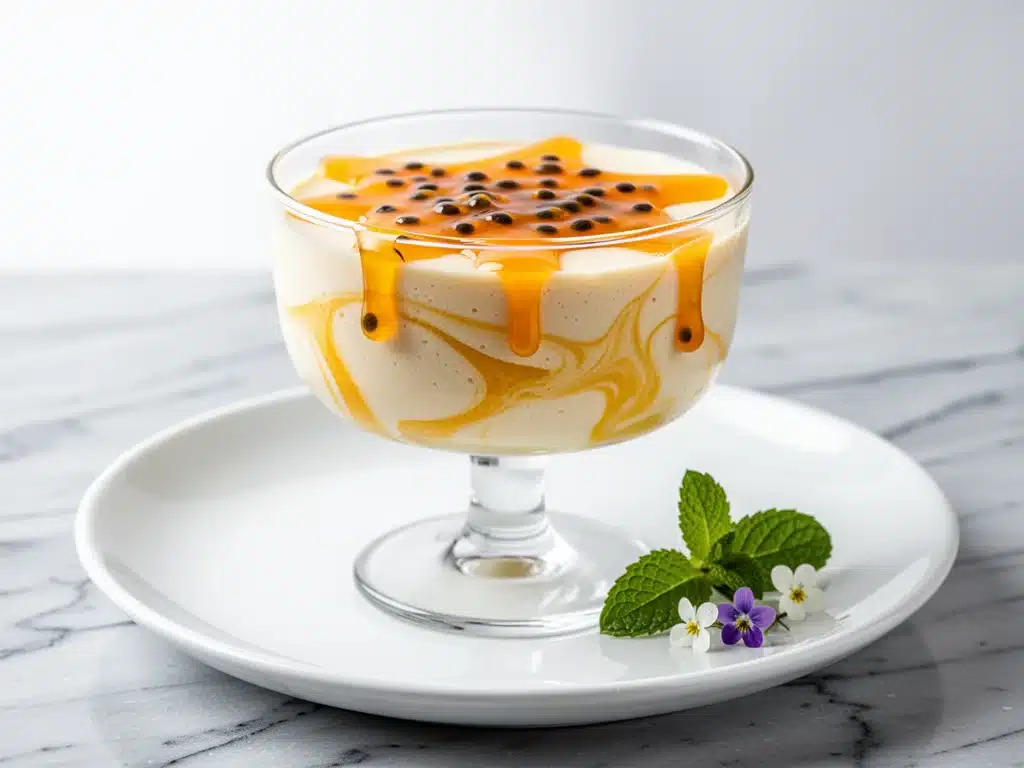
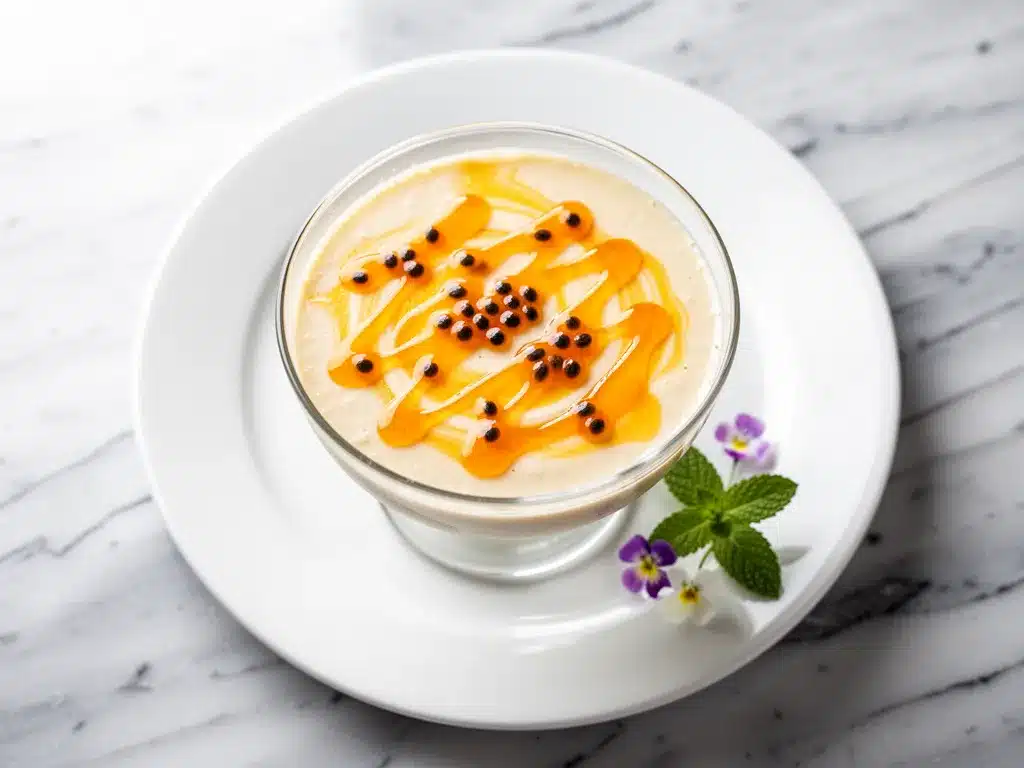
Instagram-Worthy Presentation — The vibrant orange-yellow of the mango contrasts beautifully with the white coconut custard. Whether you serve it in elegant ramekins, tall glasses, or even mason jars, it looks stunning. It’s the kind of dessert that looks like you spent hours, but took less than 30 minutes of active time.
So basically, if you want a dessert that is easy, inclusive, delicious, and beautiful, this is your winner. I’ve served this to picky eaters, health-conscious friends, and my own sweet-toothed family, and everyone loved it.
Ingredients You’ll Need
Before we get into the how-to, let’s talk about what you need. This recipe is simple, but the quality of your ingredients matters more than usual because there are so few of them. You can’t hide behind spices or chocolate chips here. Everything is front and center.
Canned Coconut Milk (2 cans, 13.5 oz each / 765g) — This is non-negotiable. Do not use the carton kind meant for drinking. You need the full-fat, canned version found in the Asian food aisle or near the other canned milks. It needs to be thick and rich. Shake the cans well before opening. If you want extra creaminess, you can skim the thick cream off the top and use just that, but mixing the whole can works fine too.
Fresh Mango (2 large ripe mangoes / about 600g flesh) — I love using Alphonso or Ataulfo mangoes for this because they’re sweet, fibrous, and have that intense tropical flavor. You can use frozen mango chunks if fresh is out of season, but fresh tastes brighter. You’ll need about 2 cups of pureed mango for the topping.
Unflavored Gelatin (2 packets / 14g) — I use Knox or a similar brand. It’s unflavored, so it won’t interfere with the coconut or mango taste. It’s what gives the panna cotta its signature wobble. Make sure it’s not expired; old gelatin loses its setting power.
Water (1/3 cup / 80ml) — Just enough to bloom the gelatin. Cold water works best.
Simple Syrup (1/2 cup / 120ml) — Made from 1/2 cup sugar and 1/2 cup water. This sweetens the coconut base evenly. If you prefer less sweetness, reduce to 1/3 cup. I like it slightly sweet to balance the tartness of the mango.
Lime Juice (1 tablespoon / 15ml) — A little acidity cuts through the richness of the coconut. It’s the secret ingredient that makes the flavors pop. Don’t skip it.
Salt (1/4 teaspoon) — Yes, salt in dessert. It enhances the sweetness and the coconut flavor. Use a good quality sea salt.
Vanilla Extract (1 teaspoon / 5ml) — Pure vanilla adds warmth and depth. I always use pure extract, not imitation. It makes a noticeable difference.
Optional Toppings — Fresh mango cubes, toasted coconut flakes, mint leaves, or a drizzle of passion fruit puree if you want to get fancy.
Shopping Tip: I always buy two cans of coconut milk even if I only need two, just because I love having it on hand for curries and soups. It keeps for months in the pantry.
Equipment Needed
You don’t need a fancy kitchen to make this. Here’s what I actually use:
Small Saucepan — I use a 2-quart saucepan. It needs to be big enough to heat the coconut milk and gelatin mixture without boiling over. A heavy-bottomed pan is best to prevent scorching.
Medium Saucepan — For making the simple syrup and heating the mango puree if needed. A 3-quart pan works well.
Blender or Food Processor — To puree the fresh mango until smooth. I use my high-speed blender, but a hand blender works too. You want a silky smooth texture for the topping.
Whisk — For mixing the gelatin and ensuring the mixture is smooth. A small balloon whisk is perfect.
Ramekins or Glasses — I love using 6-ounce ramekins for individual servings. They look elegant and are easy to serve. You can also use tall glasses or mason jars for a more rustic look. Make sure they’re clean and dry.
Measuring Cups and Spoons — Standard stuff. Precision matters here, especially with the gelatin.
Strainer (Optional) — If your mango puree has any stringy bits, I like to strain it through a fine-mesh sieve for an ultra-smooth texture. It’s not required, but it’s a nice touch for a dinner party.
Refrigerator — Obviously, you need space in your fridge for the ramekins to set. Plan ahead!
How to Make It: Step-by-Step
Alright, let’s make this! I’m walking you through exactly how I do it. It’s straightforward, but there are a few key steps to get that perfect texture.
Step 1: Bloom the Gelatin (5 minutes)
Start by sprinkling the gelatin powder over the cold water in a small bowl. Let it sit for 5-10 minutes. You’ll see it absorb the water and turn into a spongy, jelly-like mass. This is called “blooming,” and it’s crucial for the gelatin to dissolve properly later. If you skip this, you might get clumpy panna cotta.
Step 2: Heat the Coconut Milk (5 minutes)
Pour the canned coconut milk into the small saucepan. Heat it over medium-low heat, stirring occasionally. You don’t want to boil it—just warm it until it’s hot to the touch, about 120-130°F. If you boil it, you might separate the fats. This takes about 5 minutes. Keep an eye on it.
Step 3: Dissolve the Gelatin (2 minutes)
Add the bloomed gelatin to the warm coconut milk. Whisk gently but thoroughly until the gelatin is completely dissolved. There should be no visible granules left. This usually takes about 1-2 minutes. If it doesn’t dissolve easily, give it another 30 seconds of gentle heat.
Step 4: Add Flavorings (1 minute)
Remove the saucepan from heat. Stir in the simple syrup, lime juice, vanilla extract, and salt. Whisk to combine. Taste it! It should taste sweet and creamy, with a hint of lime. If you want it sweeter, add a little more syrup. If you want more lime, add a teaspoon more. This is your chance to adjust.
Step 5: Pour into Ramekins (2 minutes)
Divide the mixture evenly among your ramekins or glasses. I usually get 6-8 servings depending on the size of the ramekins. Be careful not to spill. If you do, just wipe it up with a paper towel before it sets.
Step 6: Chill (4 hours or overnight)
Place the ramekins in the fridge. Let them set for at least 4 hours, but overnight is best. The longer they sit, the firmer they get. They’re ready when they jiggle slightly in the center but don’t look liquid. This is the hard part—waiting!
Step 7: Make the Mango Topping (10 minutes)
While the panna cotta sets, make the topping. Peel and chop your mangoes. Blend them in the blender until completely smooth. If you’re using a hand blender, blend directly in the bowl. You want a silky puree. Taste and adjust sweetness if needed, though the mango should be sweet enough on its own.
Step 8: Assemble and Serve
Once the panna cotta is set, spoon a generous layer of mango puree over each one. You can swirl it for a marble effect or just pile it on top. Garnish with fresh mango cubes, toasted coconut, or mint leaves. Serve immediately. The contrast between the cool, creamy custard and the fresh, fruity topping is pure heaven.
Total Time: About 30 minutes active, plus 4+ hours chilling.
Expert Tips & Tricks
Here’s everything I’ve learned from making this dozens of times. These tips will save you from my mistakes.
Don’t Boil the Coconut Milk
I learned this the hard way. Boiling can cause the coconut milk to separate, leaving you with an oily texture. Keep the heat low and gentle. Warm is enough.
Use Full-Fat Coconut Milk
Light coconut milk will not set properly and will taste watery. You need the fat content to mimic the creaminess of dairy. It’s worth the extra cost.
Strain the Mango Puree
If you want that restaurant-quality smoothness, strain the puree through a sieve. It removes any fibrous bits. It’s an extra step, but it makes a huge difference in texture.
Toast Your Coconut
If you’re using toasted coconut flakes for garnish, toast them in a dry pan over medium heat for 2-3 minutes, stirring constantly. Watch them closely—they go from golden to burnt in seconds. It adds a nutty crunch that’s addictive.
Check the Set
If your panna cotta is too soft, you didn’t use enough gelatin. If it’s too firm and rubbery, you used too much. Stick to the measurements, but remember that room temperature affects setting. In a hot kitchen, you might need a bit more gelatin.
Unmolding (Optional)
If you want to unmold the panna cotta onto a plate, dip the ramekin in hot water for 10 seconds, then invert onto a plate. It should slide out easily. But honestly, serving it in the ramekin is easier and looks just as good.
Variations & Substitutions
Once you’ve nailed the basic version, here’s how you can mix it up. I’ve tried all of these.
Pineapple Version
Swap the mango for pineapple puree. It’s tart and tangy, which pairs beautifully with the coconut. Add a pinch of cinnamon for a tropical twist.
Passion Fruit Version
Use passion fruit puree instead of mango. It’s incredibly aromatic and adds a nice tartness. You can mix passion fruit with mango for a complex flavor.
Matcha Coconut
Whisk 1 teaspoon of matcha powder into the coconut milk mixture before pouring. It creates a beautiful green color and a subtle earthy flavor. Great for tea lovers.
Coffee Coconut
Add 1 teaspoon of instant espresso powder to the coconut mixture. It creates a mocha-like flavor. Surprisingly delicious.
Gluten-Free
This recipe is naturally gluten-free. Just make sure your gelatin and other ingredients are certified gluten-free if you have celiac disease.
Sugar-Free
Use a sugar substitute like erythritol or monk fruit for the simple syrup. Note that some substitutes don’t dissolve the same way, so you might need to adjust the texture.
Serving & Storage
How to Serve:
I usually serve this straight from the ramekin at the dinner table. It looks rustic and stays cool. But here are other ways I’ve enjoyed it:
Side Dishes:
This dessert pairs well with light, airy dishes. If you’re serving a main course, try something like my ground beef stroganoff for a hearty meal, or a simple butternut squash soup if you want something lighter. The panna cotta is the perfect finish.
Wine Pairing:
A chilled Moscato or a Riesling works great. The sweetness of the wine complements the mango, and the acidity cuts through the coconut.
Storage Instructions:
Refrigerator:
Store covered in the fridge for up to 5 days. The mango topping might separate slightly, so give it a gentle stir before serving.
Freezing:
Honestly, this doesn’t freeze well. The texture of the panna cotta can become grainy when thawed. Make it fresh or store in the fridge for up to 5 days.
Make-Ahead Strategy:
Make the panna cotta base 2 days ahead. Make the mango topping the day before. Assemble just before serving. This is the best way to ensure the freshest flavor and best texture.
Nutrition Information
I’m not a nutritionist, but here’s the breakdown if you’re tracking. This is a rich dessert, so portion control is key.
Per Serving (based on 8 servings):
– Calories: 180
– Protein: 2g
– Carbs: 22g
– Fiber: 2g
– Sugar: 18g
– Fat: 10g
– Saturated Fat: 8g
– Cholesterol: 0mg
– Sodium: 15mg
– Calcium: 30mg
What’s Good:
– Dairy-free and vegan-friendly (if using agar instead of gelatin, though gelatin is not vegan)
– Good source of vitamin C from mango
– No refined flour
What to Know:
– Higher in saturated fat from coconut milk
– Contains natural sugars from mango and syrup
– Moderate calorie count for a dessert
My Take:
Look, this is a dessert. It’s sweet and rich. But it’s made with whole food ingredients, no artificial additives, and it’s dairy-free. I think it’s a healthier option than many traditional desserts. When I serve it, I keep the portions small and enjoy it slowly.
Final Thoughts
So that’s my go-to dairy-free coconut mango panna cotta! I’ve probably talked your ear off at this point, but when you make a recipe this often, you have a lot to say about it.
This has saved dinner parties more times than I can count. It’s my answer to “what’s for dessert” when I’m tired, don’t want takeout, and still want something that tastes really good. My friends are happy, my family’s happy, and I’m happy because I’m not stressed about cooking.
Make it yours! Try different fruit toppings, swap in your favorite extracts, or adjust the sweetness. The best recipes are the ones you adapt to your family’s tastes.
If you make this, drop a comment and let me know what you think! I love hearing how recipes turn out in your kitchen. And if something doesn’t work, tell me that too—I’m here to help troubleshoot.
Happy cooking! And I hope your kitchen smells half as good as mine does right now.
Frequently Asked Questions
Q: Can I use agar-agar instead of gelatin?
A: Yes! Agar-agar is a plant-based alternative. However, it sets firmer and has a different texture. Use about 1 teaspoon of agar powder for every 2 packets of gelatin. You need to boil the agar for a few minutes to activate it, unlike gelatin which just needs to bloom. It’s a great option for vegans.
Q: Why did my panna cotta not set?
A: Usually, this means the gelatin wasn’t fully dissolved or the mixture was too hot when you added it. Make sure you bloom the gelatin properly and dissolve it completely in the warm coconut milk. Also, check that your gelatin isn’t expired. Old gelatin loses its strength.
Q: Can I use canned mango instead of fresh?
A: You can, but the flavor won’t be as bright. Canned mango is often cooked and sweeter. If you use it, drain it well and maybe add a little less sugar to the syrup. Fresh mango is definitely preferred for the best taste.
Q: How long does this last in the fridge?
A: The panna cotta base lasts up to 5 days. The mango topping is best used within 2-3 days for optimal freshness. I recommend assembling just before serving.
Q: Can I make this in a large dish instead of ramekins?
A: Absolutely. You can pour it into a 9×13 inch dish or a large trifle bowl. Just adjust the chilling time—it might take 6-8 hours to set fully. You can scoop it out with a spoon or cut it into squares.
Q: Is this recipe gluten-free?
A: Yes, this recipe is naturally gluten-free. Just ensure your gelatin and other ingredients are certified gluten-free if you have celiac disease.
Q: Can I add alcohol to this?
A: Yes! Add a tablespoon of rum or coconut rum to the coconut mixture. It adds a nice adult kick. Just reduce the simple syrup slightly if you prefer less sweetness.
Pin This Recipe!
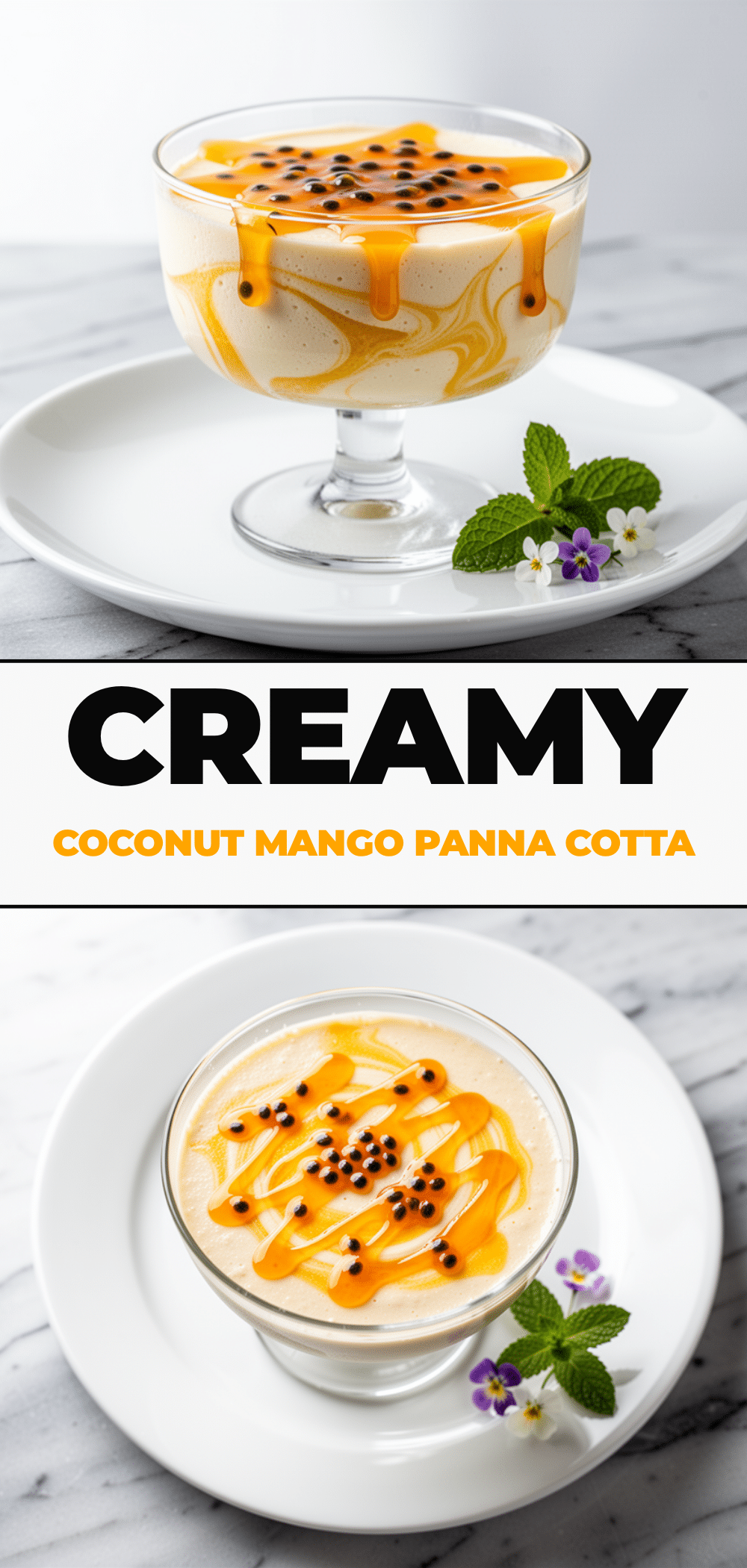
Dairy-Free Coconut Mango Panna Cotta
- Total Time: 4 hours 45 minutes
- Yield: 6-8 servings 1x
Description
An elegant, dairy-free dessert that is light, refreshing, and perfect for dinner parties. This coconut mango panna cotta requires zero baking and can be made ahead of time for stress-free hosting.
Ingredients
- 2 cans (13.5 oz each) full-fat canned coconut milk
- 2 large ripe mangoes (about 600g flesh)
- 2 packets (14g) unflavored gelatin
- 1/3 cup (80ml) cold water
- 1/2 cup (120ml) simple syrup (made from 1/2 cup sugar and 1/2 cup water)
- 1 tablespoon (15ml) lime juice
- 1/4 teaspoon salt
- 1 teaspoon (5ml) pure vanilla extract
- Optional toppings: fresh mango cubes, toasted coconut flakes, mint leaves
Instructions
- Bloom the gelatin: Sprinkle gelatin powder over cold water in a small bowl and let sit for 5-10 minutes until it becomes spongy.
- Heat the coconut milk: Pour coconut milk into a small saucepan and heat over medium-low heat until warm (120-130°F), stirring occasionally. Do not boil.
- Dissolve the gelatin: Add the bloomed gelatin to the warm coconut milk and whisk thoroughly until completely dissolved.
- Add flavorings: Remove from heat and stir in simple syrup, lime juice, vanilla extract, and salt. Taste and adjust sweetness if needed.
- Pour into ramekins: Divide the mixture evenly among 6-8 ramekins or glasses.
- Chill: Refrigerate for at least 4 hours or overnight until set.
- Make mango topping: While panna cotta sets, blend fresh mangoes until smooth. Strain if desired for a silkier texture.
- Assemble and serve: Spoon mango puree over the set panna cotta. Garnish with fresh mango, toasted coconut, or mint. Serve immediately.
Notes
Use full-fat canned coconut milk, not carton milk. Do not boil the coconut milk to prevent separation. For a vegan version, substitute gelatin with agar-agar (1 tsp agar powder per 2 packets gelatin) and boil to activate. The dessert tastes better after sitting in the fridge for 24 hours.
- Prep Time: 30 minutes
- Cook Time: 15 minutes
- Category: Dessert
- Cuisine: American
Nutrition
- Serving Size: 1 ramekin with mango
- Calories: 180
- Sugar: 18
- Sodium: 15
- Fat: 10
- Saturated Fat: 8
- Carbohydrates: 22
- Fiber: 2
- Protein: 2
Keywords: dairy-free, coconut mango, panna cotta, gluten-free, summer dessert, party dessert, no-bake, vegan option