It was 6:15 PM on a Tuesday, and I was standing in my kitchen, staring at the clock like it owed me money. My brain was fried from eight hours of back-to-back Zoom calls, my inbox was a disaster zone, and the last thing I wanted to do was cook a “real” dinner. But I also knew that ordering takeout would leave me feeling sluggish and guilty by 8 PM. I needed something fast, something calming, and something that didn’t involve dairy clogging up my arteries after a week of stress.
That’s when I remembered the bag of ceremonial grade matcha sitting in the back of my pantry, gathering dust. I’d bought it six months ago with the best intentions of becoming a zen master, but honestly, I’d only ever made it with regular milk and sugar, which just tasted like green tea latte from a gas station. I was done with the bitterness. I was done with the dairy crash. I wanted that creamy, comforting hug in a mug, but without the heaviness.
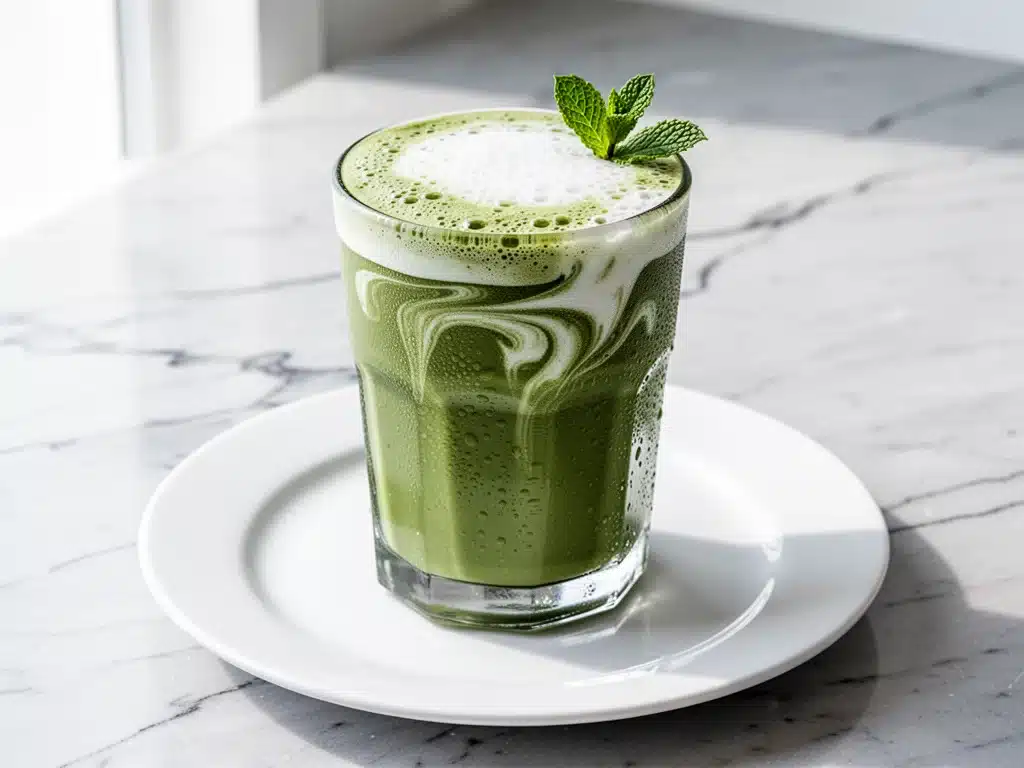
So, I improvised. I grabbed my vanilla oat milk, grabbed a whisk, and decided to see if I could make a dairy-free matcha green tea latte that actually tasted good in under five minutes. I expected a grassy mess. Instead, I got a creamy, vibrant, comforting drink that made me actually look forward to winding down after work. It’s become my new weeknight ritual—a five-minute pause button in a chaotic day. If you’re tired of sugary café drinks or bitter green tea, this is the solution you didn’t know you needed.
Why You’ll Love This Recipe
I know what you’re thinking. “Another matcha latte? I’ve tried them, and they’re always grainy or taste like dirt.” I get it. I’ve been there. But this dairy-free matcha green tea latte with vanilla oat milk is different because it solves the two biggest problems people have with homemade matcha: the clumps and the blandness. Here’s why this has replaced my evening coffee habit:
- Actually Creamy (Without Dairy) — Vanilla oat milk is the secret weapon here. It has a natural sweetness and a mouthfeel that mimics dairy cream far better than almond or soy milk. I tested this with three different plant milks, and oat milk wins hands down for texture. It stays smooth and doesn’t curdle.
- Five Minutes Flat — Seriously. I timed it. From grabbing the mug to sipping, it takes four minutes if you’re efficient. It’s faster than waiting for a delivery driver. This is perfect for those weeknights when you’re exhausted but still want a treat.
- No More Grassy Aftertaste — The key is using ceremonial grade matcha and whisking it properly with a little hot water first. This breaks up the clumps and releases the flavor without the bitterness. Once you get the technique down, it tastes smooth and vegetal, not like lawn clippings.
- Calming Energy, Not Jitters — Unlike my morning coffee that makes me shake, this gives me a steady, focused calm. The L-theanine in matcha balances out the caffeine. It’s perfect for evening wind-downs (yes, it has caffeine, but it’s milder and lasts longer) or for when you need afternoon focus without the crash.
- Pantry Staples — You probably already have oat milk, matcha powder, and a whisk. If you don’t have a bamboo whisk, a small electric frother or even a mason jar works. It’s accessible, not pretentious.
This isn’t just a drink; it’s a moment of peace. It’s my answer to “I’m stressed but I don’t want to eat a whole meal.” It’s light, it’s satisfying, and it tastes like a little vacation in a mug.
Ingredients You’ll Need
Here’s the thing about matcha: the quality of your powder changes everything. You don’t need fancy equipment, but you do need good ingredients. I’m particular about two things here: the matcha grade and the oat milk choice. Don’t skimp on the matcha. Cooking grade is for baking; ceremonial grade is for drinking. Trust me.
For the Matcha Base
Ceremonial Grade Matcha Powder (1-2 teaspoons / 2-4g) — This is non-negotiable. Look for a vibrant green color, not dull olive green. A dull color means it’s old or oxidized, and it will taste bitter. I use a brand from Japan that I order online, but many local tea shops carry good options. The brighter the green, the better the flavor.
Hot Water (2-3 tablespoons / 30-45ml) — Not boiling! Boiling water burns the matcha, making it bitter. You want water around 175°F (80°C). If you don’t have a thermometer, boil the kettle and let it sit with the lid off for about 5 minutes. This is crucial for a smooth, sweet taste.
For the Latte
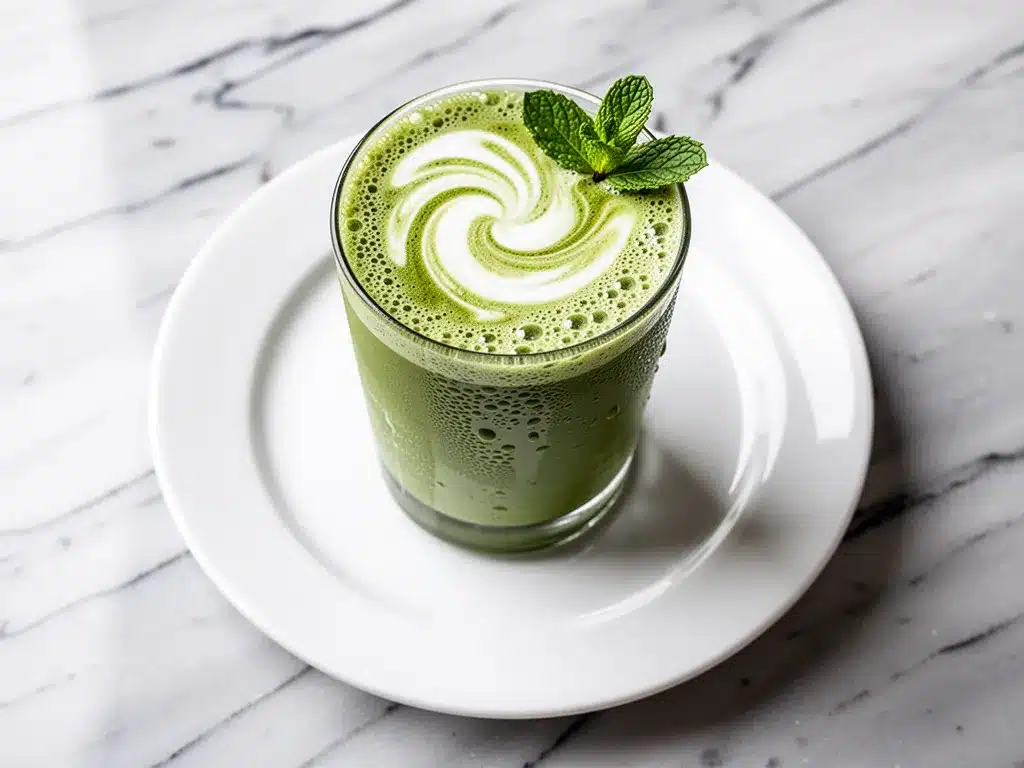
Vanilla Oat Milk (1 cup / 240ml) — I use oat milk because it froths well and has a natural sweetness that complements the earthy matcha. Look for a barista blend if you want extra foam, but regular vanilla oat milk works fine too. Avoid unsweetened versions unless you want to add extra sweetener, as they can taste too neutral.
Honey or Maple Syrup (1 teaspoon / 5ml, optional) — Vanilla oat milk is already sweet, so I usually skip this. But if your matcha is particularly earthy or you like it sweeter, a little drizzle of honey or maple syrup adds a nice depth. I prefer honey for its floral notes.
Ice (Optional) — I drink this hot most evenings, but in the summer, I pour it over ice. It’s refreshing and keeps the energy boost going.
Pro Tip: I keep my matcha in the fridge after opening. Light and air kill the flavor and turn the powder brown. Keeping it cold keeps it vibrant green and fresh-tasting for months.
Equipment Needed
You don’t need to buy a whole tea ceremony set. Here’s what I actually use in my daily kitchen:
Bamboo Whisk (Chasen) — This is the traditional tool, and it works best for breaking up clumps. The fine bristles whisk the matcha into the water smoothly. If you don’t have one, a small electric milk frother works surprisingly well. I’ve used both, and the bamboo whisk just gives a smoother texture.
Mug or Bowl — A wide bowl is actually better for whisking because you have more room to move the whisk in a “W” motion. But a tall mug works if you’re using an electric frother. I use a wide ceramic bowl for the initial matcha paste, then pour it into my favorite mug.
Sifter or Small Strainer — Matcha clumps easily. Sifting it into the bowl ensures you don’t get any bitter chunks. I keep a tiny tea sifter right next to my matcha tin so I don’t forget.
Kettle — Any kettle works. I use an electric one with temperature control because it’s convenient, but a regular kettle with a timer works too.
How to Make It: Step-by-Step
Alright, let’s make this! It’s super simple, but the technique matters for the texture. I’m walking you through exactly how I do it to get that cafe-quality foam and smooth taste.
Step 1: Heat the Water (1 minute)
Boil your water, then let it cool for about 5 minutes. You want it hot but not boiling. If you pour boiling water on the matcha, it will scald the leaves and taste bitter. This patience is worth it.
Step 2: Sift the Matcha (30 seconds)
Place your sifter over your bowl or mug. Add 1-2 teaspoons of matcha powder. Sift it in. This breaks up any clumps that formed in the tin. If you skip this, you’ll end up with little green balls in your drink. I know I’m obsessed with sifting, but it makes a huge difference.
Step 3: Add Hot Water (30 seconds)
Pour your 2-3 tablespoons of hot water over the sifted matcha. The amount of water here is small—just enough to make a paste. You want a thick, vibrant green concentrate, not a weak tea yet.
Step 4: Whisk Vigorously (1 minute)
This is the fun part. Using your bamboo whisk, whisk the matcha and water together in a rapid “W” or “M” motion. Don’t just stir in circles; you need to chop the whisk back and forth to create foam and break clumps. Whisk for about 30-60 seconds until you see a layer of fine foam on top. The liquid should be bright green and smooth.
Step 5: Heat the Milk (1-2 minutes)
While you’re whisking, heat your vanilla oat milk. You can do this in a small saucepan over medium heat until it’s steaming (don’t let it boil), or microwave it in a mug for 45-60 seconds. If you have a milk frother, use it now to get that nice foam. Heating the milk helps it blend smoothly with the matcha paste.
Step 6: Combine (30 seconds)
Pour the heated vanilla oat milk into the bowl with the matcha paste. If you’re drinking it hot, you can pour the milk into the matcha, or vice versa—I usually pour the milk into the matcha to preserve the foam. Stir gently to combine. If you like it sweeter, add your honey or maple syrup now and stir.
Step 7: Serve
Pour into your favorite mug. If you frothed the milk, you’ll have a nice layer of foam on top. You can dust a tiny bit of extra matcha on top for decoration, but it’s not necessary. Enjoy immediately while it’s warm and creamy.
Total Time: About 5 minutes. Active Time: 2 minutes.
Expert Tips & Tricks
Here’s everything I’ve learned from making this dozens of times. These tips will save you from the common pitfalls of homemade matcha lattes.
The Water Temperature is Key
I can’t stress this enough. Boiling water kills matcha. It turns the delicate amino acids into bitter tannins. If your latte tastes bitter, it’s almost always because the water was too hot. Let that kettle sit! 175°F is the sweet spot.
Whisk, Don’t Stir
If you just stir the matcha with a spoon, you’ll get clumps. The bamboo whisk is designed to aerate the powder. If you don’t have one, an electric frother is your best friend. It mimics the whisking action and creates that nice foam texture.
Start with Less Powder
If you’re new to matcha, start with 1 teaspoon. Two teaspoons can be quite strong and bitter for beginners. You can always add more, but you can’t take it away. Once you get used to the flavor, you can increase to 2 teaspoons for a stronger kick.
Don’t Boil the Milk
When heating oat milk, don’t let it reach a rolling boil. Oat milk can separate or get weirdly thick if boiled. Heat it until it’s steaming and hot to the touch. That’s enough to melt the matcha paste and create a creamy drink.
Storage
Keep your matcha in an airtight container in the fridge. Light and air are matcha’s enemies. If your matcha turns brownish-green, it’s oxidized and will taste flat. Fresh matcha should be a vibrant, neon green.
Variations & Substitutions
Once you’ve nailed the basic version, here’s how you can mix it up. I’ve tried all of these, and they’re all winners.
Iced Matcha Latte
Make the matcha paste as directed, but skip the hot milk. Fill a glass with ice, pour the matcha paste over the ice, and then top with cold vanilla oat milk. Stir well. It’s refreshing and perfect for warmer evenings.
Spiced Matcha Latte
Add a pinch of cinnamon or ginger to the hot water when whisking the matcha. It adds a cozy warmth that pairs beautifully with the vanilla oat milk. I love this during colder months.
Coconut Milk Version
If you’re avoiding oats, coconut milk is a great alternative. Use full-fat coconut milk for extra creaminess. It adds a tropical twist that’s delicious. I sometimes add a drop of vanilla extract if the coconut milk isn’t sweetened.
Lower Sugar
If you’re watching sugar, use unsweetened vanilla oat milk and skip the honey. The matcha itself has a natural sweetness, and the vanilla flavor from the milk should be enough. You can also use a zero-calorie sweetener if you prefer.
Mocha Matcha
Add a teaspoon of cocoa powder to the matcha paste before whisking. It creates a matcha-mocha hybrid that’s rich and chocolatey. Surprisingly good!
Serving & Storage
How to Serve: I usually serve this hot in a wide ceramic mug to enjoy the aroma. But in the summer, I pour it over ice with a straw. It’s just as good cold. For a fancy touch, dust a little extra matcha powder on top of the foam.
Side Dishes: This latte pairs well with light snacks. I often have it with a piece of dark chocolate or a few crispy baked ranch chickpeas for a protein boost. It’s also great with a slice of fudgy mint chocolate brownies if you’re treating yourself.
Storage Instructions: Matcha latte is best made fresh. The matcha flavor diminishes quickly once mixed with milk. If you must prep ahead, make the matcha paste and store it in the fridge for up to 24 hours. Reheat the milk and whisk the paste with a little hot water before combining. Do not freeze the finished latte; the texture will separate.
Nutrition Information
I’m not a nutritionist, but here’s the breakdown if you’re tracking. This is a light, low-calorie drink compared to café versions.
Per Serving (1 cup):
- Calories: 80-100 (depending on oat milk brand)
- Protein: 2g
- Carbs: 10-12g
- Fat: 3g
- Sugar: 6-8g (naturally occurring from oat milk)
What’s Good:
– Low calorie compared to dairy lattes
– Antioxidants from matcha
– No added sugars if you skip honey
What to Know:
– Contains caffeine (about 35mg per serving)
– Check oat milk labels for added sugars
My Take:
“This is a guilt-free treat. It’s sweet, creamy, and satisfying without weighing you down. It’s a far better alternative to sugary coffee drinks.”
Final Thoughts
So that’s my go-to dairy-free matcha green tea latte! I know I’ve talked your ear off about water temperatures and whisking techniques, but when you make a drink this often, you realize the small details make a big difference.
This has saved my evenings more times than I can count. It’s my answer to “I need a break but I don’t want to cook.” It’s calming, it’s quick, and it tastes like something from a specialty café. My kids love it too (with less matcha, of course), and it’s become a family ritual on weeknights.
Make it yours! Try different milks, add spices, or adjust the sweetness. The best recipes are the ones you adapt to your tastes. If you make this, drop a comment and let me know how you like it! I love hearing how recipes turn out in your kitchen.
Happy brewing! And I hope your kitchen smells half as good as mine does right now.
Frequently Asked Questions
Can I use regular green tea instead of matcha?
No, not really. Matcha is powdered whole leaves, so you’re consuming the entire leaf. Regular green tea is steeped leaves, which gives a different flavor and texture. You can’t replicate the creamy, smooth texture of a matcha latte with steeped tea. It’s worth investing in a good quality matcha powder.
Why does my matcha taste bitter?
Usually, this is because the water was too hot or the matcha was old. Boiling water burns the leaves, releasing bitterness. Also, if your matcha has been open for a while, it oxidizes and turns bitter. Make sure you’re using fresh, vibrant green ceremonial grade matcha and water around 175°F.
Can I make this ahead for a dinner party?
It’s best made fresh. The matcha flavor fades quickly, and the milk can separate. However, you can prep the matcha paste for up to 24 hours in the fridge. When you’re ready to serve, whisk the paste with a little hot water, heat the milk, and combine. It won’t be quite as frothy, but it will still taste good.
Is matcha safe to drink in the evening?
Yes, but it does contain caffeine. Matcha has about 35mg of caffeine per serving, which is less than coffee but more than black tea. The L-theanine in matcha provides a calm focus, so it doesn’t cause jitters. If you’re sensitive to caffeine, try it earlier in the evening or use a decaf matcha blend.
Can I use almond milk instead of oat milk?
You can, but the texture won’t be as creamy. Oat milk has a natural sweetness and thickness that mimics dairy better. Almond milk is thinner and can taste watery. If you use almond milk, consider adding a splash of coconut cream for richness.
How do I store my matcha powder?
Keep it in an airtight container in the fridge. Light and air are the enemies of matcha. If you leave it in a cupboard, it will lose its color and flavor within a few weeks. Refrigerated matcha stays fresh for months.
Pin This Recipe!
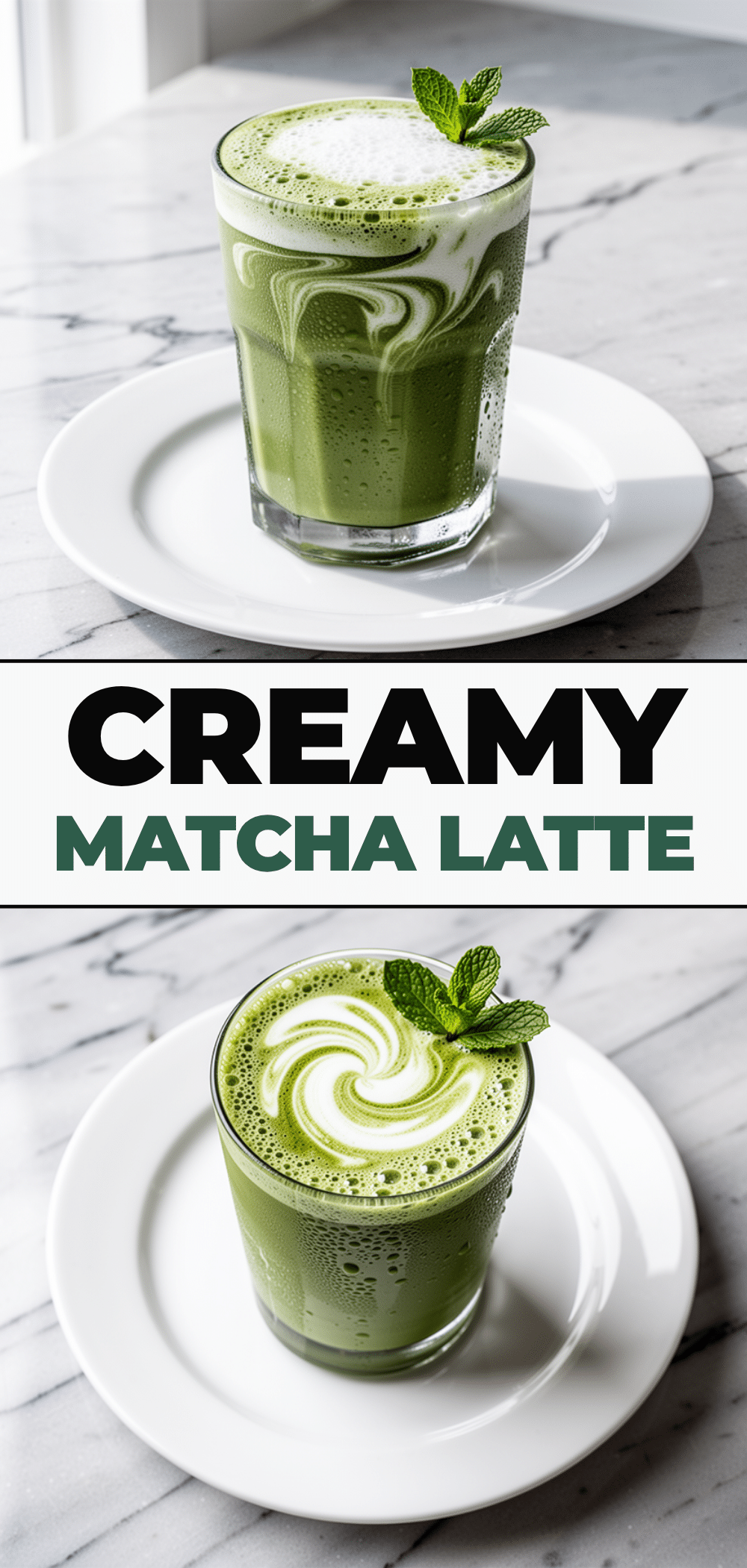

Dairy-Free Matcha Green Tea Latte: 5-Min Easy Recipe
- Total Time: 5 minutes
- Yield: 1 serving 1x
Description
A creamy, calming, and quick dairy-free matcha latte made with vanilla oat milk and ceremonial grade matcha. This 5-minute recipe avoids clumps and bitterness for a smooth, cafe-quality drink.
Ingredients
- 1–2 teaspoons ceremonial grade matcha powder
- 2–3 tablespoons hot water (175°F / 80°C)
- 1 cup vanilla oat milk
- 1 teaspoon honey or maple syrup (optional)
- Ice (optional, for iced version)
Instructions
- Heat water to 175°F (80°C). If boiling, let it sit for 5 minutes to cool.
- Sift 1-2 teaspoons of matcha powder into a wide bowl or mug to remove clumps.
- Pour the hot water over the sifted matcha.
- Whisk vigorously in a ‘W’ or ‘M’ motion with a bamboo whisk or electric frother for 30-60 seconds until a fine foam forms.
- Heat the vanilla oat milk in a saucepan or microwave until steaming (do not boil).
- Pour the heated milk into the matcha paste and stir gently to combine. Add honey or maple syrup if desired.
- Serve immediately hot, or pour over ice for an iced version.
Notes
Use ceremonial grade matcha for best flavor. Keep matcha in the fridge to maintain freshness. Do not use boiling water as it makes the matcha bitter. Oat milk provides the creamiest texture; almond milk may result in a thinner drink.
- Prep Time: 2 minutes
- Cook Time: 3 minutes
- Category: Beverage
- Cuisine: Japanese-inspired
Nutrition
- Serving Size: 1 cup
- Calories: 90
- Sugar: 7
- Sodium: 70
- Fat: 3
- Saturated Fat: 0.5
- Carbohydrates: 11
- Protein: 2
Keywords: matcha latte, dairy-free, oat milk, green tea, healthy drink, caffeine, calming, 5-minute recipe, vegan