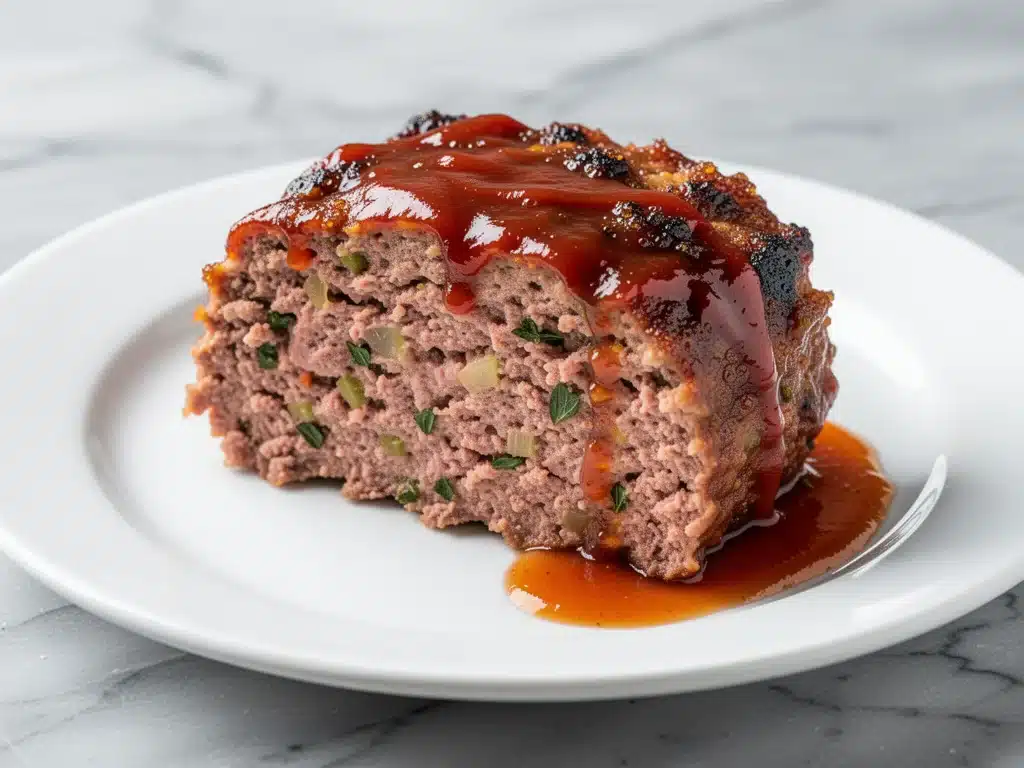
My grandmother’s meatloaf wasn’t just dinner; it was an event. I remember sitting at that Formica table in her kitchen, watching her stir that thick, dark glaze in a small saucepan on the stove. It smelled like ketchup, brown sugar, and something savory that I couldn’t quite place. She’d brush it on with a pastry brush, her hands moving with a practiced rhythm, and tell me, “Patience, kid. Good things take time.”
For years, I tried to replicate that flavor. I bought the fancy meatloaf pans with the drip trays. I used breadcrumbs. I even tried adding raw eggs to the mix like my aunt suggested. And every single time, the result was dry, dense, and tasted like a brick. I was ready to give up on meatloaf entirely. I was ready to just order takeout and accept defeat.
Then, I started messing around with the ratios. I swapped out the breadcrumbs for crushed crackers. I stopped baking it in a loaf pan and switched to a sheet pan. I finally figured out that the secret wasn’t in the meat itself, but in the moisture and the glaze. I made this homestyle glazed meatloaf last Sunday, and my husband actually stopped scrolling through his phone to eat it. That’s how you know it’s good.
This isn’t the stiff, square block of meat from a 1950s cookbook. It’s tender, juicy, and has that perfect balance of sweet and tangy from the glaze. It’s the kind of meal that fills the whole house with warmth and makes everyone forget about their phones for an hour. If you’ve been hesitant to make meatloaf because you think it’s dry or boring, this recipe will change your mind. I’ve tested it so many times now that I can make it in my sleep, and it comes out perfect every single time.
Why You’ll Love This Glazed Meatloaf
There are a million reasons I keep making this homestyle glazed meatloaf for our family dinners, but here are the big ones that keep it in our weekly rotation:
- Actually Juicy — Seriously, this is the biggest hurdle with meatloaf. Most recipes dry it out. This one uses a mix of milk-soaked bread and an egg to keep it tender. I’ve served this to my picky brother, and even he asked for the recipe.
- The Glaze is Addictive — It’s not just ketchup. It’s a mix of ketchup, brown sugar, Worcestershire sauce, and a touch of mustard. It caramelizes in the oven, creating a sticky, flavorful crust that people fight over. It’s the best part of the whole dish.
- One-Pan Wonder — No fancy loaf pan required. I bake it on a simple sheet pan, which lets the heat circulate evenly. Plus, cleanup is a breeze. Just throw the pan in the dishwasher and you’re done.
- Great for Meal Prep — This reheats beautifully. I often make two loaves on Sunday. One for dinner, and one for lunches during the week. It tastes just as good cold or reheated the next day.
- Flexible — Don’t like parsley? Swap it for cilantro. Want to add some veggies? Finely dice up some carrots or onions. This recipe is a canvas for your tastes.
This is my go-to when I need a hug on a plate. It’s reliable, comforting, and makes the house smell amazing. No complicated techniques, just solid, honest food that brings everyone together.
Ingredients You’ll Need
Here’s the thing about meatloaf: you don’t need fancy ingredients. You just need the right combination. I’m particular about a few things here, and I’ll tell you exactly why they matter.
For the Meat Mixture
Ground beef (2 pounds / 900g) — I use 80/20 lean-to-fat ratio. Leaner meat will dry out your loaf. You want that fat to keep it juicy. If you can find grass-fed, even better, but standard ground chuck works perfectly.
Milk (½ cup / 120ml) — This is for soaking the bread. Whole milk is best because it adds richness. If you’re out, half-and-half works too.
Plain bread (2 slices / about 60g) — I use white sandwich bread, torn into pieces. Some people use breadcrumbs, but fresh bread creates a softer, more tender texture. It acts like a sponge for the juices.
Onion (1 medium / about 150g) — Finely diced. I sauté it first for sweetness, but you can also use it raw if you’re in a rush. Just make sure it’s very fine so you don’t get big chunks.
Garlic (3 cloves / about 1 tablespoon) — Minced fresh. Don’t use the jarred stuff if you can help it. Fresh garlic has a brightness that cuts through the richness of the meat.
Eggs (2 large) — These act as the binder. They hold everything together so your meatloaf doesn’t fall apart when you slice it. Room temperature eggs mix in easier.
Worcestershire sauce (2 tablespoons) — This is the umami bomb. It adds that deep, savory flavor that makes you ask, “What’s in this?” It’s essential.
Yellow mustard (1 tablespoon) — Not for the flavor, but for the tang. It balances the sweetness of the glaze. Dijon works too if you want it a bit sharper.
Dried parsley (1 teaspoon) — Adds a bit of freshness and color. If you have fresh parsley, use a tablespoon of chopped leaves. It’s nicer, but dried is easier to keep in stock.
Salt and black pepper — To taste. I use about 1 teaspoon of kosher salt and half a teaspoon of pepper. Adjust based on your preference.
For the Glaze
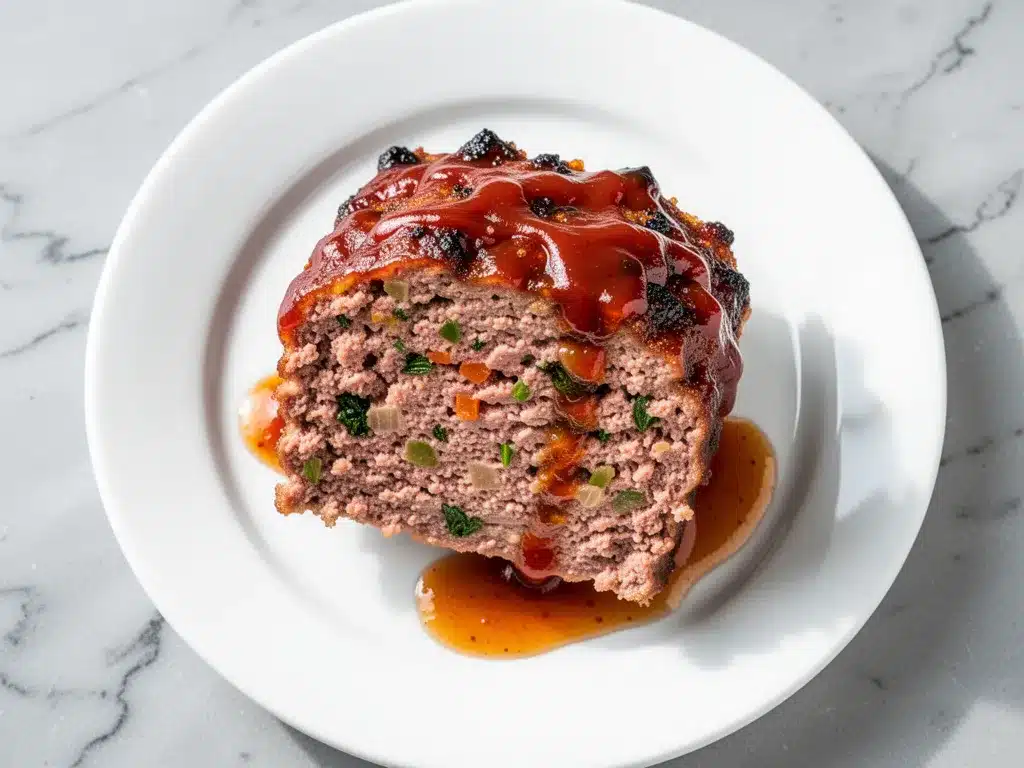
Ketchup (½ cup / 120g) — The base of the glaze. I use a good quality ketchup, not the cheap stuff. It makes a difference in the sweetness level.
Brown sugar (2 tablespoons / 30g) — Adds that caramel-like sweetness and helps the glaze stick and caramelize. Light or dark brown sugar both work.
Apple cider vinegar (1 tablespoon) — Cuts the sweetness and adds a nice tang. If you don’t have this, white vinegar works, but apple cider vinegar has a nicer flavor.
Garlic powder (½ teaspoon) — Just a little extra garlic punch in the glaze.
Equipment Needed
You don’t need anything fancy for this. Here’s what I actually use:
Sheet pan — I use a standard 18×13 inch rimmed baking sheet. The rim helps catch any drips. I line it with parchment paper for easy cleanup, but it’s not strictly necessary.
Small mixing bowl — For soaking the bread in milk. Any bowl works.
Large mixing bowl — For combining the meat mixture. I like a bowl that’s big enough to mix with my hands without making a mess.
Pastry brush — For applying the glaze. A silicone brush is easier to clean, but a natural bristle one works fine too.
Instant-read thermometer — This is non-negotiable. It ensures your meatloaf is cooked perfectly without overcooking it. I hate guessing, and this takes the guesswork out.
Knife and cutting board — For dicing the onion and garlic. Sharp knives make this job faster and safer.
How to Make It: Step-by-Step
Alright, let’s get cooking! I’m walking you through exactly how I do it, including the little tricks I’ve picked up over the years.
Step 1: Prep the Bread
Start by tearing your bread into small pieces and putting them in a bowl. Pour the milk over the bread and let it sit for about 5 minutes. You want it to get soggy and break down. This is called a panade, and it’s the secret to tender meatloaf. If you skip this, your loaf will be dense. Trust me on this.
Step 2: Sauté the Aromatics
While the bread soaks, heat a teaspoon of oil in a small skillet over medium heat. Add the diced onion and cook for 3-4 minutes until soft and translucent. Add the minced garlic and cook for another 30 seconds until fragrant. Let this cool for a minute. Cooking the onion first removes the sharp bite and brings out the sweetness.
Step 3: Mix the Meat
In a large bowl, combine the soaked bread (milk and all), the sautéed onions, minced garlic, eggs, Worcestershire sauce, mustard, parsley, salt, and pepper. Add the ground beef last. Now, here’s the most important part: mix gently. Use your hands or a spoon to combine everything, but don’t overwork it. Overmixing makes the meat tough and rubbery. You just want it evenly distributed. If you mix it too much, you’ll end up with a meatball texture instead of a tender loaf.
Step 4: Shape the Loaf
Transfer the mixture to your parchment-lined sheet pan. Shape it into a loaf, about 9 inches long and 4 inches wide. Make sure the ends are rounded, not pointy, so they don’t dry out. Press it down gently to create an even shape. You can make a slight indentation in the top with your thumb to help the glaze pool, but it’s not necessary.
Step 5: Bake the First Stage
Preheat your oven to 350°F (175°C). Place the meatloaf in the oven and bake for 40 minutes. This initial bake sets the shape and cooks the meat through partially. The house will start to smell incredible by now.
Step 6: Make the Glaze
While the meatloaf is baking, whisk together the ketchup, brown sugar, apple cider vinegar, and garlic powder in a small bowl. It should be smooth and well combined. Taste it—it should be sweet and tangy. Adjust if needed.
Step 7: Glaze and Finish
Remove the meatloaf from the oven. Brush the glaze generously over the top and sides. Make sure you get it into the nooks and crannies. Put it back in the oven and bake for another 15-20 minutes. The glaze should bubble and caramelize, turning a deep, glossy brown.
Step 8: Check Temperature and Rest
Check the internal temperature with your thermometer. It should read 160°F (71°C). If it’s not there yet, give it 5 more minutes. Once it hits 160°F, take it out. Here’s the step most people skip: let it rest for 10 minutes before slicing. This allows the juices to redistribute. If you cut into it immediately, all the juice runs out, and your meatloaf is dry. Patience pays off.
Expert Tips & Tricks
Here’s everything I’ve learned from making this dozens of times. These tips will save you from my mistakes.
Don’t Overmix — I can’t stress this enough. Treat the meat like a fragile thing. Gentle hands only. Overmixing = tough meatloaf.
Use a Thermometer — Eyes are deceiving. A thermometer is your best friend. 160°F is the safe temperature for ground beef. Going higher just dries it out.
Let It Rest — I know it’s tempting to slice it right away. Don’t. The 10-minute rest is crucial for juicy slices. Set a timer if you have to.
Glaze Timing — Don’t put the glaze on at the beginning. It will burn. Add it in the last 20 minutes of baking so it caramelizes but doesn’t char.
Leftover Hack — If you have leftover meatloaf, slice it and pan-fry it in a little butter the next day. It’s crispy on the outside and tender on the inside. Better than fresh.
Variations & Substitutions
Once you’ve nailed the basic version, here’s how you can mix it up. I’ve tried all of these.
Turkey Meatloaf — Swap the beef for ground turkey. Add an extra egg and a little more Worcestershire sauce for flavor. Turkey is leaner, so the milk-soaked bread is even more important here.
Pork and Beef Mix — Use half ground beef and half ground pork. Pork adds more fat and flavor, making it even juicier. This is my personal favorite combo.
Veggie-Loaded — Finely grate zucchini or carrots into the mix. Squeeze out the excess moisture from the veggies first. It adds nutrition without changing the texture much.
BBQ Glaze — Swap the ketchup base for your favorite BBQ sauce. Add a pinch of smoked paprika. Totally different vibe—smoky and tangy.
Gluten-Free — Use gluten-free bread or gluten-free breadcrumbs. The rest of the ingredients are naturally gluten-free, just check your Worcestershire sauce label.
Serving & Storage
How to Serve: I usually serve this with mashed potatoes and green beans. The gravy from the meatloaf drippings is perfect over potatoes. But here are other ways I’ve enjoyed it:
- Sandwiches — Slice it cold and put it on a bun with mustard. It’s like a fancy grilled cheese filling.
- Pasta — Slice it up and put it over spaghetti with marinara. Yes, really. It’s delicious.
- With Roasted Veggies — Pair it with roasted carrots or Brussels sprouts for a balanced meal.
Storage Instructions:
Refrigerator: Store leftovers in an airtight container for up to 4 days. It keeps well.
Reheating: Reheat slices in the microwave with a splash of water or broth to keep them moist. Or warm them in a skillet with a little butter. Don’t dry them out!
Freezing: You can freeze cooked meatloaf slices for up to 3 months. Wrap them tightly in plastic wrap and foil. Thaw in the fridge overnight before reheating.
Nutrition Information
I’m not a nutritionist, but here’s the breakdown if you’re tracking. This is per serving based on 8 slices.
- Calories: 380
- Protein: 28g
- Carbs: 12g
- Fat: 22g
- Sodium: 650mg
Look, this is comfort food. It’s not a diet recipe. But it’s way better than takeout, and you know exactly what’s in it. When I want to make it lighter, I use leaner beef and reduce the brown sugar in the glaze. But usually? I just enjoy a reasonable portion and savor it.
Final Thoughts
So that’s my go-to homestyle glazed meatloaf! I’ve probably talked your ear off at this point, but when you make a recipe this often, you have a lot to say about it. This has saved weeknight dinners more times than I can count. It’s my answer to “what’s for dinner” when I’m tired, don’t want takeout, and still want something that tastes really good. My kids are happy, my husband’s happy, and I’m happy because I’m not stressed about cooking.
Make it yours! Try different add-ins, swap in your favorite vegetables, adjust the glaze. The best recipes are the ones you adapt to your family’s tastes. If you make this, drop a comment and let me know what you think! I love hearing how recipes turn out in your kitchen. And if something doesn’t work, tell me that too—I’m here to help troubleshoot.
Happy cooking! And I hope your kitchen smells half as good as mine does right now.
Frequently Asked Questions
Can I use a loaf pan instead of a sheet pan?
You can, but I don’t recommend it. A loaf pan traps moisture and steam, which can make the meatloaf boil instead of bake, leading to a mushy texture. A sheet pan lets the heat circulate, giving you that nice browned crust. If you must use a loaf pan, reduce the baking time by 10 minutes and check the temperature early.
Why did my meatloaf fall apart when I sliced it?
This usually happens for two reasons: you overmixed the meat, or you didn’t let it rest. Overmixing makes the protein structure too tight, causing it to shrink and crack. Not resting means the juices are still running, making it fragile. Next time, mix gently and wait the full 10 minutes before slicing.
Can I make this ahead of time?
Yes! You can shape the meatloaf and keep it covered in the fridge for up to 24 hours before baking. Just add 5-10 minutes to the baking time since it’s starting cold. You can also freeze the raw meatloaf (uncooked) for up to 3 months. Thaw in the fridge before baking.
What’s the best side dish for meatloaf?
Classic sides are mashed potatoes, green beans, or roasted carrots. The savory glaze pairs perfectly with starchy sides that can soak up the juices. I also like a simple green salad with vinaigrette to cut through the richness.
Can I use ground turkey instead of beef?
Absolutely. Just remember that turkey is leaner, so it can dry out faster. Make sure you soak the bread well and don’t overcook it. Check the temperature at 165°F for turkey.
How do I store leftovers?
Store in an airtight container in the fridge for up to 4 days. Reheat gently with a little liquid to keep it moist. It’s also great cold in sandwiches.
Pin This Recipe!
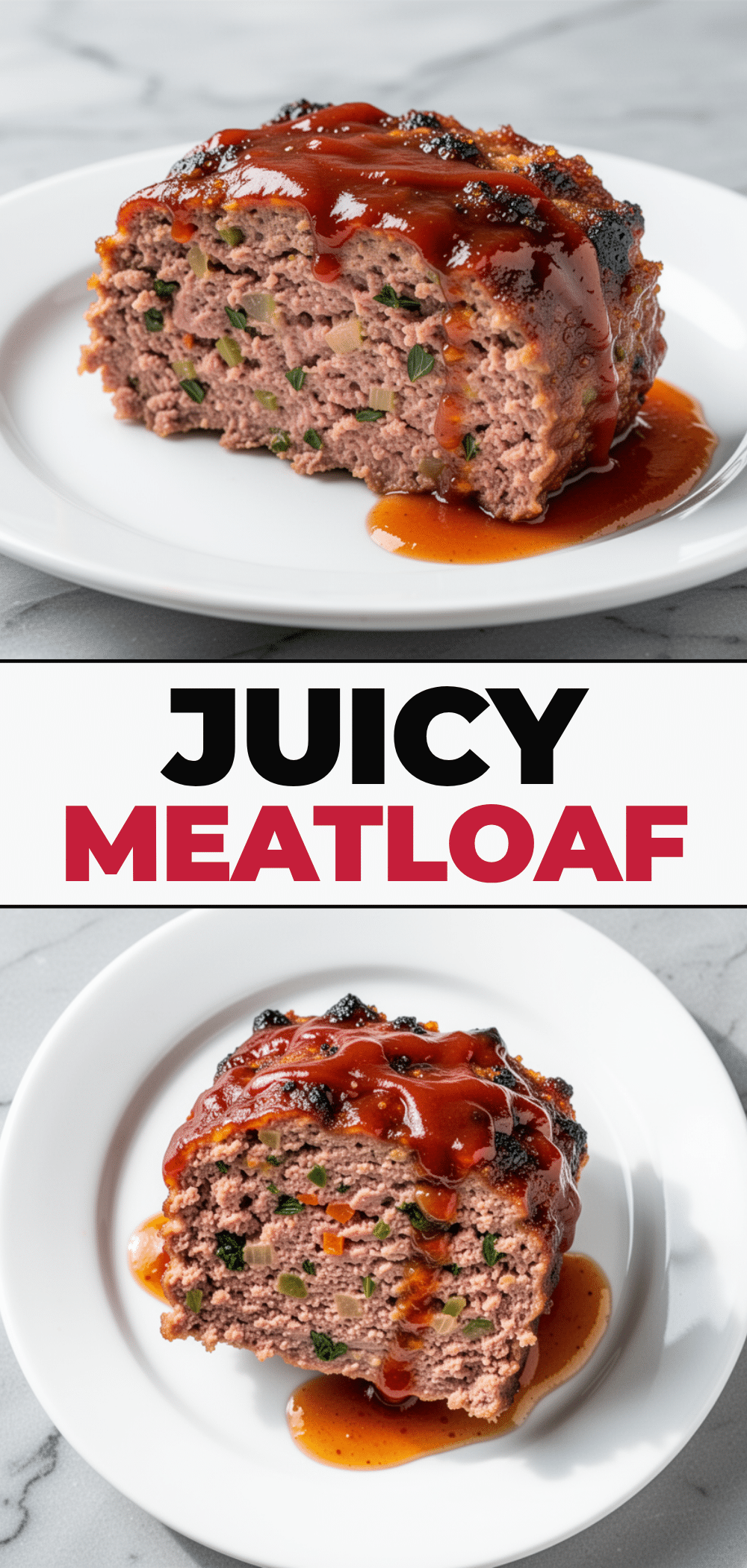
Homestyle Glazed Meatloaf: The Best Easy Family Dinner
- Total Time: 75 minutes
- Yield: 8 servings 1x
Description
A tender, juicy meatloaf made with milk-soaked bread and baked on a sheet pan for even cooking. It features a sweet and tangy caramelized glaze that makes it a comforting family favorite.
Ingredients
- 2 pounds ground beef (80/20 lean-to-fat ratio)
- 1/2 cup milk
- 2 slices plain white bread, torn into pieces
- 1 medium onion, finely diced
- 3 cloves garlic, minced
- 2 large eggs
- 2 tablespoons Worcestershire sauce
- 1 tablespoon yellow mustard
- 1 teaspoon dried parsley
- 1 teaspoon kosher salt
- 1/2 teaspoon black pepper
- 1 teaspoon oil (for sautéing)
- 1/2 cup ketchup
- 2 tablespoons brown sugar
- 1 tablespoon apple cider vinegar
- 1/2 teaspoon garlic powder
Instructions
- Preheat oven to 350°F (175°C).
- Tear bread into small pieces and place in a bowl. Pour milk over bread and let sit for 5 minutes until soggy.
- Heat oil in a small skillet over medium heat. Sauté diced onion for 3-4 minutes until soft. Add minced garlic and cook for 30 seconds. Let cool slightly.
- In a large bowl, combine soaked bread (with milk), sautéed onions, garlic, eggs, Worcestershire sauce, mustard, parsley, salt, and pepper.
- Add ground beef to the bowl and mix gently with hands or a spoon until just combined. Do not overmix.
- Transfer mixture to a parchment-lined sheet pan. Shape into a 9×4 inch loaf with rounded ends.
- Bake for 40 minutes.
- While baking, whisk together ketchup, brown sugar, apple cider vinegar, and garlic powder to make the glaze.
- Remove meatloaf from oven and brush glaze generously over the top and sides.
- Return to oven and bake for another 15-20 minutes until the internal temperature reaches 160°F (71°C).
- Remove from oven and let rest for 10 minutes before slicing.
Notes
Do not overmix the meat to avoid a tough texture. Let the meatloaf rest for 10 minutes after baking to allow juices to redistribute. For a gluten-free version, use gluten-free bread. Turkey can be substituted for beef, but ensure it reaches 165°F.
- Prep Time: 20 minutes
- Cook Time: 55 minutes
- Category: Main Course
- Cuisine: American
Nutrition
- Serving Size: 1 slice
- Calories: 380
- Sugar: 8
- Sodium: 650
- Fat: 22
- Saturated Fat: 8
- Carbohydrates: 12
- Fiber: 1
- Protein: 28
Keywords: meatloaf, glazed meatloaf, easy dinner, family meal, sheet pan dinner, comfort food, ground beef recipe