There was a Tuesday last month when I came home from work exhausted, my brain completely fried, and my fridge staring back at me like a challenge. The only thing that looked remotely edible was a lone salmon fillet and a jar of honey I’d bought three months ago and forgotten about. I was too tired to think, too hungry to order takeout, and definitely too broke to go out. So I threw together the most ridiculous combination: salmon, way too much garlic, honey, and a splash of soy sauce.
I expected it to be okay. Maybe even good. What I got was something else entirely. The kitchen smelled like a five-star restaurant, the sauce caramelized into this sticky, glossy perfection, and my kids—yes, the ones who usually pick at their dinner—asked for seconds. That night, honey garlic glazed salmon went from a desperate “make it work” meal to my new holy grail for busy weeknights.
I’ve made this dish at least fifteen times since that random Tuesday. I’ve tweaked the ratios, tested different types of honey, and even tried it with different cuts of fish. Every single time, it wins. It’s sweet, savory, garlicky, and ready in the time it takes to boil water for pasta. If you’re looking for a dinner that feels fancy but requires zero effort, this is it. This honey garlic glazed salmon recipe is the answer to your “what’s for dinner?” panic.
Why You’ll Love This Honey Garlic Glazed Salmon Recipe
I don’t say this lightly: this recipe has saved my sanity during those chaotic weeknights when I’m trying to cook, help with homework, and figure out laundry. Here’s why this honey garlic glazed salmon has become a permanent fixture in our weekly rotation:
Stupid Simple — Seriously, if you can stir a bowl, you can make this. There’s no fancy knife work, no complicated techniques, and no waiting for an oven to preheat. You just mix the sauce, sear the fish, and pour. That’s it. I’ve walked my teenage son through making this over FaceTime while he was at college, and he nailed it on the first try.
Lightning Fast — From start to finish, this takes about 15 minutes. And I mean 15 minutes. Not 30, not 45. Just 15. I make this on nights when I walk in the door at 6:30 PM and need dinner on the table by 7:00 PM. It’s faster than boiling eggs, honestly.
One-Pan Wonder — This is the best part. You cook the salmon in one skillet, and you make the sauce in the same pan (or a small bowl beforehand). Cleanup is a nightmare for most fish recipes, but not this one. A quick wipe of the skillet and you’re done. I love a recipe that doesn’t punish me for cooking.
Restaurant Quality — Don’t let the simplicity fool you. The flavor profile is complex. You get the sweetness of the honey, the punch of the garlic, the saltiness of the soy sauce, and a little tang from the vinegar. It tastes like something you’d order at a bistro for $25. Instead, you’re making it for about $8.
Healthy-ish — Salmon is packed with omega-3s and protein. The sauce is relatively low-cal compared to heavy cream sauces. It’s a dinner that makes you feel like you’re treating your body well, even if you’re just eating it straight out of the pan (which, let’s be honest, happens).
This is my go-to when I need dinner to just work. No stress, no weird ingredients, just reliable, delicious food that makes everyone happy. And the best part? Your house will smell amazing.
Ingredients You’ll Need for Honey Garlic Glazed Salmon
Here’s the best part: you probably have most of these ingredients already. This isn’t a recipe that requires a special trip to the Asian market or a specialty grocery store. It’s pantry-friendly, which is crucial for a weeknight dinner.
For the Salmon
Salmon fillets (4 fillets, about 6 oz each) — I use wild-caught Atlantic or sockeye, but farm-raised works fine too. The key is to get fillets that are roughly the same thickness so they cook evenly. If they’re super thick, pound them down a bit. Uniformity is your friend here.
Neutral oil (2 tablespoons) — I use avocado oil or canola oil because they have a high smoke point. Olive oil works, but extra virgin might burn if your pan is too hot. Don’t use butter for searing—it burns too fast. Save the butter for the sauce later if you want richness.
Salt and black pepper — Just good old kosher salt and freshly cracked pepper. Season the salmon generously on both sides before it hits the pan. This builds flavor from the inside out.
For the Honey Garlic Glaze
Garlic (4-5 cloves, minced) — Yes, five cloves. Don’t be scared. Fresh garlic is non-negotiable here. Jarred garlic has a weird metallic aftertaste that really shows up in a simple sauce like this. If you’re feeling lazy, buy pre-peeled cloves, but mince them yourself. It takes 30 seconds.
Honey (1/3 cup) — This is the star. I use raw honey because it has a better flavor, but clover or even corn syrup (if you’re feeling cheap, though don’t tell anyone) will work. The honey caramelizes in the pan, creating that sticky glaze. Don’t skimp on the honey; it balances the salt and acid.
Soy sauce (3 tablespoons) — I use low-sodium soy sauce so I can control the saltiness. Regular soy sauce will make it too salty. If you’re avoiding gluten, use tamari. It’s the same thing, just without the wheat.
Rice vinegar (1 tablespoon) — This adds brightness and cuts through the sweetness of the honey. Apple cider vinegar works in a pinch, but rice vinegar is more authentic and milder. Don’t skip this, or the sauce will taste flat.
Ginger (1 teaspoon, fresh grated) — Fresh ginger is best. I keep a knob of ginger in the freezer and grate it directly into the bowl when I need it. Ground ginger works, but use only 1/4 teaspoon because it’s much more potent and tastes dusty.
Red pepper flakes (1/2 teaspoon) — Optional, but I highly recommend it. It adds a little kick that balances the sweet honey. If you’re making this for kids, leave it out or use just a pinch.
Butter (1 tablespoon, cold) — This is the chef’s secret. Adding a knob of cold butter at the end emulsifies the sauce, making it glossy and rich. It’s the restaurant trick that makes everything taste better.
Green onions (2, sliced) — For garnish. It adds color and a fresh onion bite that cuts through the richness. If you don’t have green onions, chopped parsley or cilantro works too.
Equipment Needed
You don’t need fancy equipment for this. Here’s what I actually use:
Large non-stick or cast-iron skillet — I use a 12-inch skillet. It needs to fit all four fillets in a single layer. If your pan is too small, you’ll overcrowd the fish, and it’ll steam instead of sear. Overcrowding is the enemy of good salmon.
Small mixing bowl — For whisking the sauce together. I do this before I start cooking so everything is ready to go. Timing is everything in this recipe.
Wooden spoon or silicone spatula — For stirring the sauce. Metal spoons can scratch non-stick pans, so I stick to wood or silicone.
Paper towels — To pat the salmon dry. This is crucial. Wet salmon = bad sear. Dry salmon = crispy skin.
Tongs — For flipping the fish. Forks pierce the fish and make it fall apart. Tongs are gentle and give you control.
Microplane or grater — For the fresh ginger and garlic. If you don’t have one, a knife works, but it takes longer.
Small saucepan (optional) — I usually make the sauce in the same skillet after removing the salmon, but if you’re worried about burning the garlic, you can make the sauce in a small separate pan. It’s safer but adds a dish to wash.
How to Make Honey Garlic Glazed Salmon: Step-by-Step
Alright, let’s make this! I’m walking you through exactly how I do it, including the little tricks I’ve picked up over the years.
Step 1: Prep the Salmon (5 minutes)
Pat the salmon fillets dry with paper towels. This is the most important step. If the fish is wet, it won’t sear properly. Season both sides generously with salt and pepper. Set them aside on a plate. While you’re at it, mince your garlic, grate your ginger, and slice your green onions. Have everything ready before you turn on the heat.
Step 2: Mix the Sauce (2 minutes)
In a small bowl, whisk together the honey, soy sauce, rice vinegar, minced garlic, grated ginger, and red pepper flakes. Stir until the honey is dissolved. Taste it—it should be sweet, salty, and slightly spicy. Adjust to your liking. Set it aside.
Step 3: Sear the Salmon (6-8 minutes)
Heat the oil in your large skillet over medium-high heat. Once the oil is shimmering (not smoking), place the salmon fillets in the pan, skin-side down if they have skin. Press them down gently with a spatula to prevent curling. Cook for 4-5 minutes without moving them. You want a nice golden crust. Flip the fillets carefully. They should release easily from the pan if the crust is ready. Cook for another 1-2 minutes, depending on thickness. The fish is done when it flakes easily with a fork but is still slightly pink in the center. Remove the salmon from the pan and set it on a plate. Cover loosely with foil to keep warm.
Step 4: Make the Glaze (2 minutes)
Reduce the heat to medium. Pour the sauce mixture into the same skillet. It will bubble and sizzle. Stir constantly for 1-2 minutes. The sauce will reduce and thicken slightly. Keep an eye on it—garlic can burn quickly. Once the sauce looks glossy and coats the back of a spoon, remove the pan from the heat.
Step 5: Finish with Butter (1 minute)
Stir in the cold butter. It will melt and emulsify into the sauce, making it shiny and rich. This is the magic step. Taste the sauce and add more salt or honey if needed.
Step 6: Combine and Serve
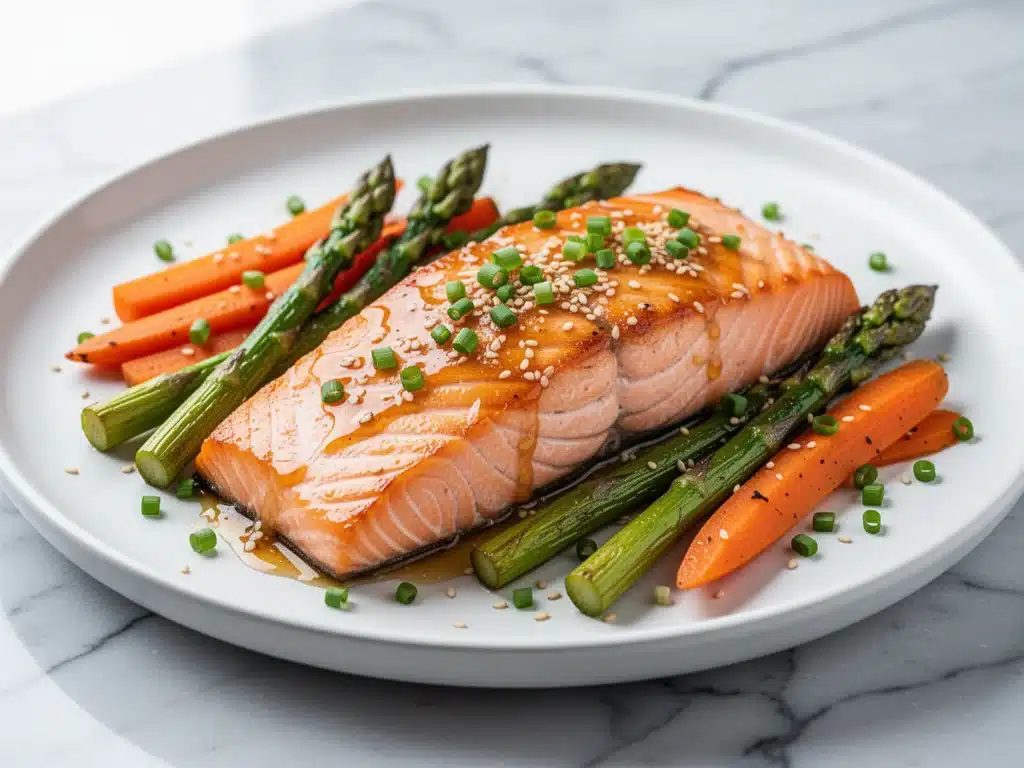
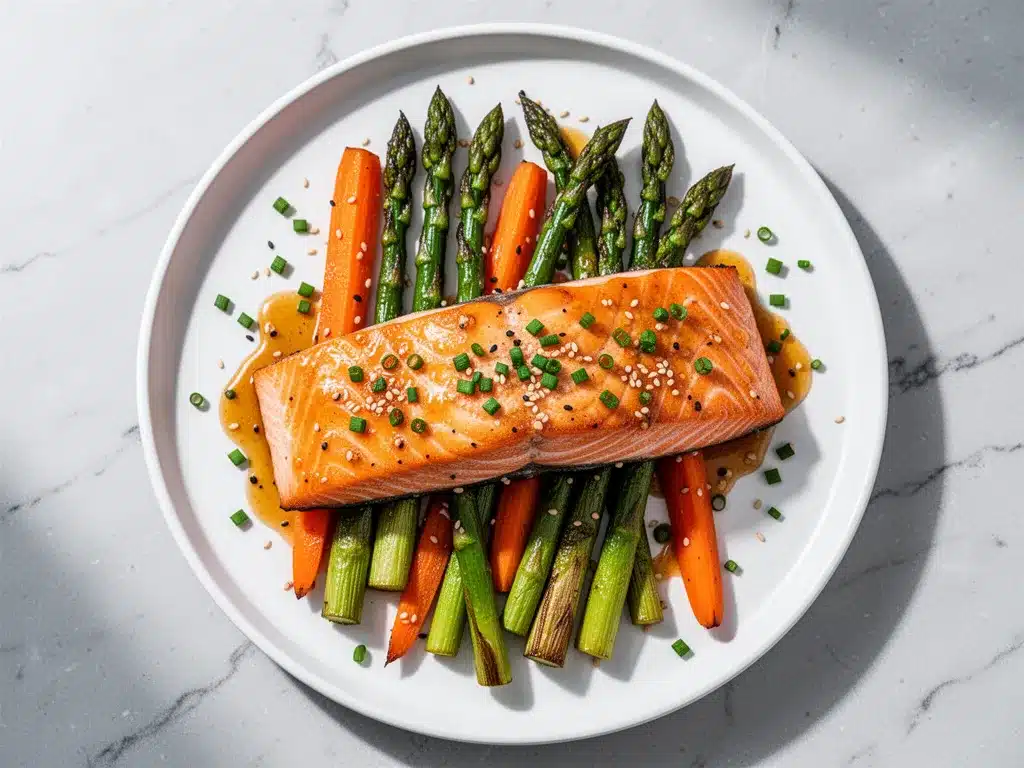
Place the salmon fillets back into the pan, spooning the glaze over the top. Alternatively, plate the salmon and drizzle the sauce over it. Garnish with sliced green onions. Serve immediately.
Total Time: About 15 minutes (5 minutes prep, 10 minutes cooking)
Expert Tips & Tricks for Perfect Salmon
Here’s everything I’ve learned from making this dozens of times. These tips will save you from my mistakes.
Don’t Overcook It
Salmon continues to cook even after you take it off the heat. I pull it when it’s still slightly translucent in the very center. It will finish cooking on the plate. Overcooked salmon is dry and sad. Undercooked salmon is safe and delicious.
Pat It Dry
I can’t stress this enough. Wet salmon steams. Dry salmon sears. Use paper towels. If you’re impatient, let it sit out for 5 minutes to air dry. It makes a huge difference in texture.
High Heat for Searing
Get that pan hot. If the pan isn’t hot enough, the fish will stick. A good sear locks in moisture. If you’re worried about burning, reduce the heat slightly, but don’t go too low.
Watch the Garlic
Garlic burns fast. If you see it starting to turn brown, add a splash of water or broth to deglaze the pan and lower the heat. Burnt garlic tastes bitter and ruins the sauce.
Use a Thermometer
If you’re unsure, use an instant-read thermometer. Salmon is done at 145°F (63°C), but I prefer it at 135°F (57°C) for a juicier result. It’s more forgiving.
Rest the Fish
Let the salmon rest for 2 minutes after cooking. This allows the juices to redistribute. Skipping this step leads to dry fish.
Variations & Substitutions
Once you’ve nailed the basic version, here’s how you can mix it up. I’ve tried all of these.
Teriyaki Style
Add 1 teaspoon of sesame oil and 1 teaspoon of toasted sesame seeds to the sauce. Garnish with sesame seeds instead of green onions. It’s a classic combo that works beautifully.
Spicy Honey Garlic
Double the red pepper flakes and add a dash of sriracha. This is for when you want a kick. My husband loves this version.
Lemon Herb
Skip the ginger and add lemon zest and fresh dill. It’s lighter and more Mediterranean. Great for spring.
Gluten-Free
Use tamari instead of soy sauce. Everything else is naturally gluten-free. Check your honey label to ensure it’s pure.
Dairy-Free
Skip the butter. The sauce will be less glossy, but still delicious. Use olive oil instead for richness.
Other Proteins
This sauce works great with chicken thighs, pork chops, or shrimp. Cooking times will vary, but the flavor profile is the same. I’ve even used it with tofu for a vegetarian version.
Serving & Storage
How to Serve:
I usually serve this with steamed rice, quinoa, or roasted vegetables. The sauce is so good, you’ll want to soak it up with bread or rice. A simple green salad with a lemon vinaigrette balances the richness perfectly.
Leftovers:
Store leftovers in an airtight container in the fridge for up to 3 days. The salmon will get firmer as it sits, but it’s still good cold or reheated gently.
Reheating:
Reheat gently in a skillet over low heat with a splash of water or broth. Microwave can make it rubbery. If you must microwave, do it in short bursts and cover with a damp paper towel.
Freezing:
I don’t recommend freezing cooked salmon. It loses texture. Freeze the raw salmon and sauce separately if you need to prep ahead.
Nutrition Information
I’m not a nutritionist, but here’s the breakdown if you’re tracking. This is per serving (1 fillet with sauce).
- Calories: 320
- Protein: 34g
- Carbs: 18g
- Fat: 12g
- Sugar: 16g
- Sodium: 580mg
It’s high in protein and healthy fats, which is great. The sugar comes from the honey, so keep that in mind if you’re watching your intake. But honestly, it’s a small price to pay for this flavor.
Final Thoughts
So that’s my honey garlic glazed salmon! I’ve probably talked your ear off at this point, but when you make a recipe this often, you have a lot to say about it. This has saved weeknight dinners more times than I can count. It’s my answer to “what’s for dinner” when I’m tired, don’t want takeout, and still want something that tastes really good.
Make it yours! Try different add-ins, swap in your favorite vegetables, adjust the garlic (though more is always better in my opinion). The best recipes are the ones you adapt to your family’s tastes.
If you make this, drop a comment and let me know what you think! I love hearing how recipes turn out in your kitchen. And if something doesn’t work, tell me that too—I’m here to help troubleshoot.
Happy cooking! And I hope your kitchen smells half as good as mine does right now.
Frequently Asked Questions
Can I use frozen salmon?
Yes, but you need to thaw it completely first. Pat it dry very well. If it’s still icy, it’ll release water and steam instead of sear. Thaw it in the fridge overnight for best results.
Why did my salmon stick to the pan?
Usually, the pan wasn’t hot enough, or the fish was wet. Make sure your pan is hot before adding oil, and pat the salmon dry. Also, don’t try to flip it too soon. Let the crust form.
Can I make the sauce ahead?
Yes, you can whisk the sauce ingredients together and store them in the fridge for up to 2 days. Just bring it to room temperature before cooking. The honey might thicken, so give it a good stir.
Is this recipe kid-friendly?
Most kids love it! The honey masks the fishy taste, and the garlic is cooked down so it’s not too sharp. If your kids are sensitive to spice, leave out the red pepper flakes.
What sides go well with this?
Steamed jasmine rice, quinoa, roasted asparagus, broccoli, or a simple cucumber salad. Anything that can soak up that delicious sauce is perfect.
Can I grill this instead of pan-searing?
Yes! Brush the salmon with oil and grill it over medium-high heat for 4-5 minutes per side. Add the sauce in the last minute of grilling to caramelize it. Just be careful not to burn the honey.
Pin This Recipe!
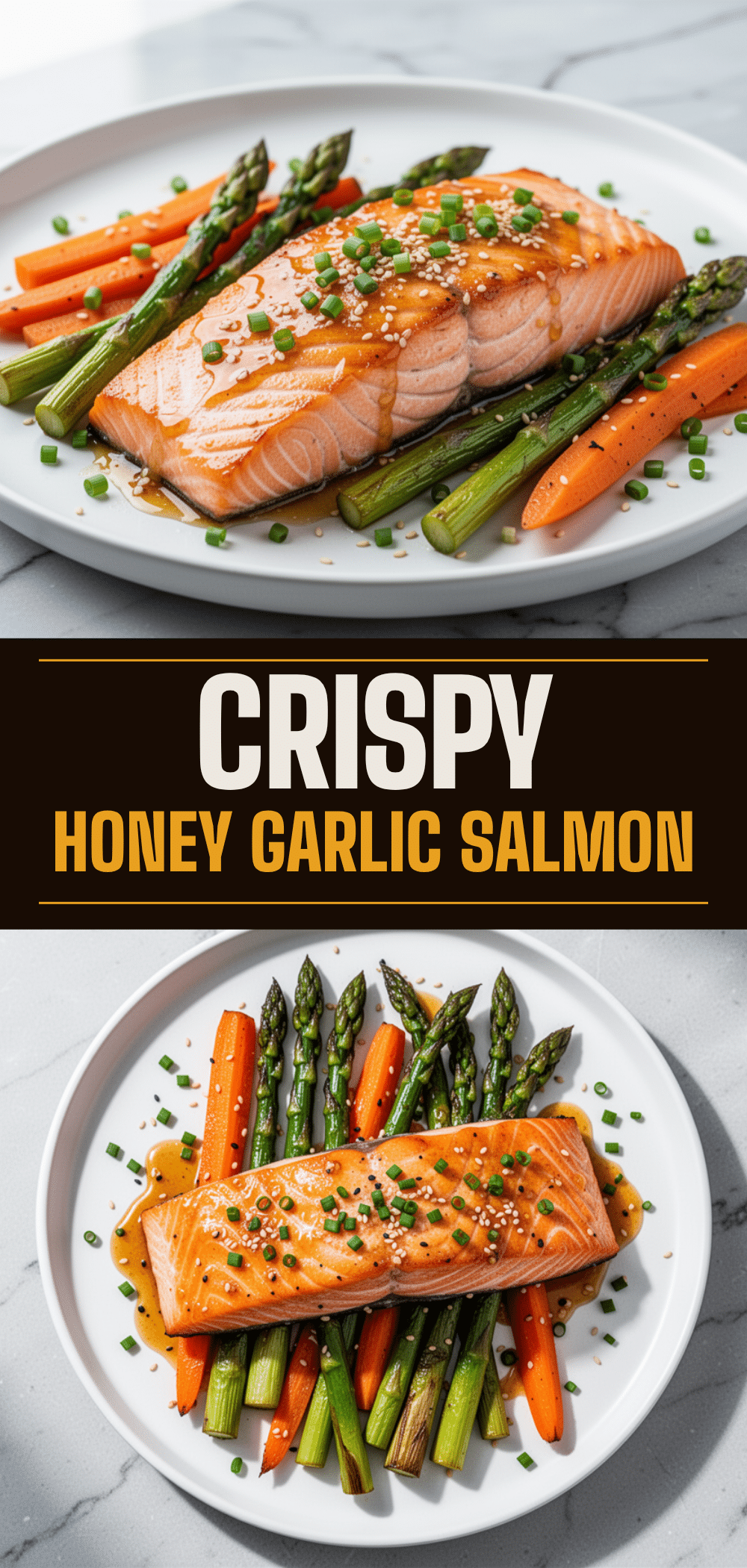
Honey Garlic Glazed Salmon: 15-Min Easy Weeknight Dinner
- Total Time: 15 minutes
- Yield: 4 servings 1x
Description
A quick, one-pan weeknight dinner featuring salmon fillets seared in a skillet and coated in a sticky, sweet, and savory honey garlic glaze. Ready in just 15 minutes with minimal cleanup.
Ingredients
- 4 salmon fillets (about 6 oz each)
- 2 tablespoons neutral oil (e.g., avocado or canola)
- Salt and black pepper (to taste)
- 4–5 cloves garlic, minced
- 1/3 cup honey
- 3 tablespoons soy sauce (or tamari for gluten-free)
- 1 tablespoon rice vinegar
- 1 teaspoon fresh ginger, grated
- 1/2 teaspoon red pepper flakes (optional)
- 1 tablespoon cold butter
- 2 green onions, sliced (for garnish)
Instructions
- Pat salmon fillets dry with paper towels and season generously with salt and pepper on both sides.
- In a small bowl, whisk together honey, soy sauce, rice vinegar, minced garlic, grated ginger, and red pepper flakes until combined.
- Heat neutral oil in a large skillet over medium-high heat until shimmering.
- Place salmon fillets in the pan, skin-side down. Cook for 4-5 minutes without moving to create a golden crust.
- Flip fillets carefully and cook for another 1-2 minutes until fish flakes easily but remains slightly pink in the center. Remove salmon from pan and set aside on a plate, covering loosely with foil.
- Reduce heat to medium. Pour the sauce mixture into the same skillet. Stir constantly for 1-2 minutes until the sauce reduces and thickens slightly.
- Remove pan from heat and stir in cold butter until melted and emulsified into the sauce.
- Return salmon to the pan, spooning glaze over the top, or plate salmon and drizzle sauce over it.
- Garnish with sliced green onions and serve immediately.
Notes
[‘Patting the salmon dry is crucial for a good sear; wet salmon will steam.’, ‘Do not overcrowd the pan; cook in batches if necessary to ensure proper searing.’, ‘Salmon continues to cook after removal from heat; pull it when slightly translucent in the center.’, ‘Garlic burns quickly, so watch it closely when making the sauce.’, ‘For a juicier result, aim for an internal temperature of 135°F (57°C) rather than the standard 145°F (63°C).’, ‘Leftovers can be stored in the fridge for up to 3 days.’]
- Prep Time: 5 minutes
- Cook Time: 10 minutes
- Category: Main Course
- Cuisine: Asian Fusion
Nutrition
- Serving Size: 1 fillet with sauce
- Calories: 320
- Sugar: 16
- Sodium: 580
- Fat: 12
- Saturated Fat: 3
- Carbohydrates: 18
- Protein: 34
Keywords: salmon, honey garlic, weeknight dinner, quick recipes, one pan, healthy dinner, gluten-free option, dairy-free option