Let me tell you about last Tuesday. I had exactly 25 minutes before the kids got off the bus, the house was a disaster zone, and I was staring into the fridge wondering what in the world I was going to feed three growing humans. We were out of the usual chicken, I didn’t want to order takeout (because let’s be real, that’s a budget killer), and I was pretty sure the only thing I had was a flank steak that needed to be used or it was going to expire.
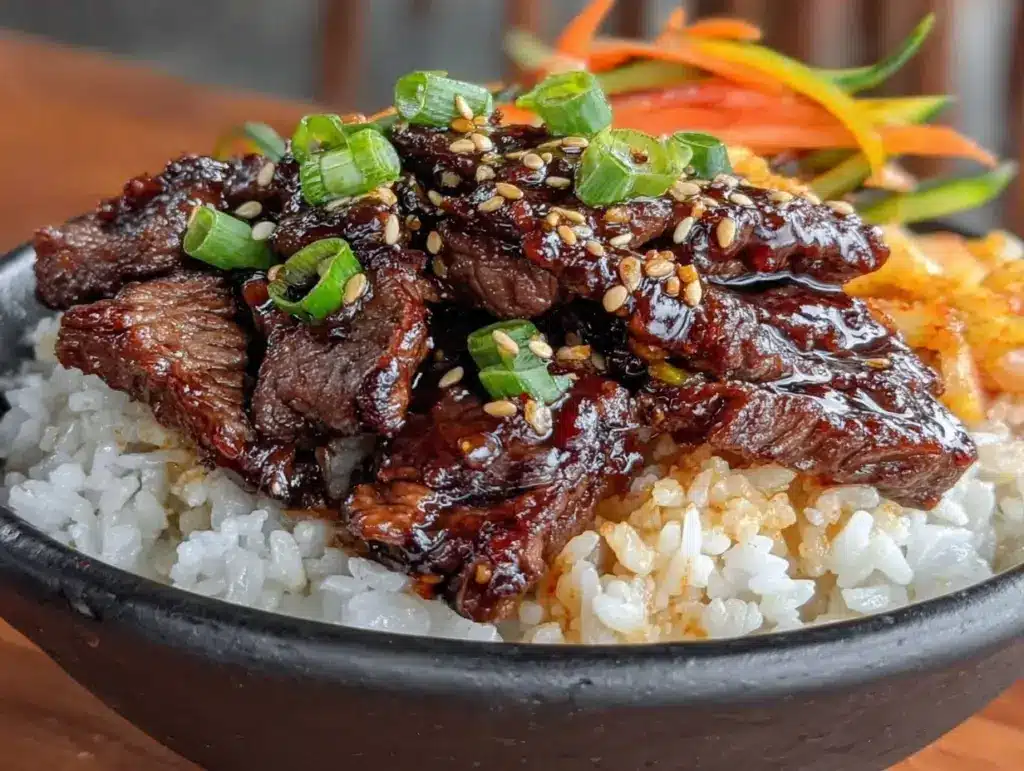
So I did what I always do when I’m panicked and broke. I made Korean Beef Bulgogi Rice Bowls with Quick Pickles. It took me 20 minutes. The house smelled like a Seoul street food stall (in the best way possible), and the kids actually ate their vegetables because I threw in some quick-pickled cucumbers. My husband asked if I was going to make this every week. I said yes, mostly because it’s cheap, fast, and uses ingredients I already had in my pantry.
I’ve made this bulgogi bowl recipe at least a dozen times since then. It’s become our go-to “I’m tired, the kids are hangry, and we need dinner on the table” meal. It’s sweet, savory, slightly spicy, and incredibly satisfying. And the best part? You don’t need to go to a specialty Asian market to get it. You probably have most of this in your kitchen right now.
If you’ve ever been intimidated by Korean cooking, don’t be. This isn’t complicated. It’s just marinated beef, rice, and some crunchy pickles that take five minutes to make. It’s the kind of meal that makes you feel like a gourmet chef but costs less than a dollar per serving. Let’s get into it.
Why You’ll Love This Recipe
There are a lot of reasons I keep coming back to this bulgogi bowl, but they all boil down to one thing: it just works. Here’s why it’s earned a permanent spot in our weekly rotation.
Stupid Simple — Seriously, if you can slice beef and mix soy sauce, you can make this. There’s no fancy knife work required. I just slice the flank steak thinly against the grain, and that’s 90% of the work done. The rest is just letting the flavors do their job.
Lightning Fast — From the moment I pull the beef out of the freezer (or fridge) to the moment we’re sitting down, it’s about 25 minutes. That’s active cooking time. The rest is just waiting for the rice to cook or the beef to marinate while you chop veggies. I make this on weeknights when I get home at 6:30 pm and still want something hot and fresh.
Pantry-Friendly — You probably have 70% of these ingredients already. Soy sauce, sugar, sesame oil, garlic, ginger, rice—these are staples. The only thing you might need to grab is a flank steak and some cucumbers for the pickles. It’s not a “special occasion” ingredient list.
Kid-Approved (Even Picky Eaters) — I know, I know. “Korean food is too spicy for kids.” Not this version. The marinade is sweet and savory, not fiery hot. The quick pickles add a crunch that kids usually love because it’s like a tangy relish. My son, who usually picks onions out of everything, actually ate the pickled cucumbers. That’s a win in my book.
Budget-Smart — Flank steak is one of the most affordable cuts of beef if you buy it right. You stretch it by serving it over rice with veggies. I feed four people for under $15, and they leave the table full. That’s cheaper than a single meal at a casual dining restaurant.
Makes Amazing Leftovers — The beef actually tastes even better the next day because it’s had more time to soak up the marinade. I deliberately make extra for lunch. It reheats beautifully in the microwave, and I usually just heat it up over cold rice with a drizzle of sesame oil.
Ingredients You’ll Need
Here’s the best part: you probably have most of this already. I’m particular about a few things here, and I’ll tell you exactly why, but don’t stress if you need to swap something out.
Flank Steak (1.5 pounds / 680g) — This is the star. Flank steak is lean, affordable, and takes on flavor beautifully. You want to buy it fresh or frozen, but make sure you slice it thinly against the grain. If you can’t find flank steak, sirloin or even thinly sliced beef short ribs work too. Avoid pre-sliced “stir-fry” beef if you can help it—it’s often pre-cooked or treated with chemicals that change the texture.
Soy Sauce (½ cup / 120ml) — Use regular soy sauce, not low-sodium if you can avoid it. The saltiness is part of the flavor profile. If you’re watching sodium, you can use low-sodium, but you’ll need to add a pinch more salt later. I use Kikkoman because it’s consistent and easy to find.
Brown Sugar (3 tablespoons / 45g) — This gives the beef that caramelized, sticky sweetness. White sugar works too, but brown sugar adds a little molasses depth that I love. If you’re out of brown sugar, honey works as a substitute, but it’s sweeter, so use less.
Sesame Oil (2 tablespoons / 30ml) — Toasted sesame oil is non-negotiable. It smells nutty and incredible. Don’t use untoasted sesame oil (which is more for drizzling) or substitute with vegetable oil. You need that specific flavor. I keep a bottle in my pantry at all times.
Garlic (4 cloves, minced / about 2 tablespoons) — Yes, four cloves. Don’t skimp. Fresh garlic is essential here. Jarred garlic just doesn’t have the same punch. If you’re feeling lazy, you can use a garlic press, but mincing it finely helps it dissolve into the marinade better.
Fresh Ginger (1 tablespoon, grated) — Fresh ginger is better than powdered. It adds a bright, spicy warmth that balances the sweet soy sauce. If you absolutely don’t have fresh ginger, you can use 1 teaspoon of ground ginger, but the flavor won’t be as vibrant.
Green Onions (3 stalks, chopped) — For garnish and a bit of oniony bite. You can use the white parts in the marinade too if you’re being efficient. Scallions work the same way.
Sesame Seeds (1 tablespoon) — Toasted sesame seeds add a nice crunch and nutty aroma on top. You can buy them pre-toasted or toast them yourself in a dry pan for 2 minutes. I usually just buy the pre-toasted kind to save time.
Cucumbers (2 medium, sliced) — For the quick pickles. English cucumbers are best because they’re less seedy and crispier. If you can’t find those, regular slicing cucumbers work, but peel them first to remove the thick skin.
Rice Vinegar (¼ cup / 60ml) — For the pickle brine. It’s milder than white vinegar, which is perfect for quick pickles. If you don’t have rice vinegar, apple cider vinegar works in a pinch, but the flavor will be slightly different.
Sugar (2 tablespoons) — For the pickle brine. Balances the acidity of the vinegar.
Salt (1 teaspoon) — For the pickle brine. Draws out the moisture from the cucumbers.
Red Pepper Flakes (½ teaspoon, optional) — For a little heat. I usually add this to the marinade if we’re in the mood for spice, but you can leave it out for the kids.
Jasmine Rice (2 cups uncooked) — Jasmine rice is fluffy and fragrant, which pairs perfectly with the bold flavors of the beef. Short-grain rice works too if you prefer a stickier texture. I usually make a big batch on Sunday and use it throughout the week.
Equipment Needed
You don’t need fancy equipment for this. Here’s what I actually use.
Large Bowl — For marinating the beef. A glass or ceramic bowl is best, but plastic works fine. Just make sure it’s big enough to hold the beef and marinade without spilling.
Small Bowl — For mixing the pickle brine. Doesn’t need to be fancy.
Sharp Knife — For slicing the beef and chopping veggies. A dull knife makes slicing difficult and dangerous. I use my chef’s knife for everything.
Cutting Board — Any size works. I use a large plastic one for easier cleanup.
Large Skillet or Wok — I use a 12-inch cast iron skillet. It holds heat well, which is important for getting a good sear on the beef. Stainless steel or non-stick works too, just make sure it’s big enough to cook the beef in a single layer.
Rice Cooker or Medium Pot — For cooking the rice. I have a rice cooker and I love it, but a pot on the stove works just as well. Just make sure you have a tight-fitting lid.
Colander — For draining the pickled cucumbers. Or just use a slotted spoon.
Measuring Cups and Spoons — Pretty standard stuff. Dollar store versions work fine.
How to Make It: Step-by-Step
Alright, let’s make this! I’m walking you through exactly how I do it, including the little tricks I’ve picked up.
Step 1: Prep the Beef (5 minutes)
Take your flank steak out of the fridge or freezer. If it’s frozen, make sure it’s thawed completely. You want to slice it thinly against the grain. This means you’re cutting perpendicular to the direction of the muscle fibers. This is crucial for tender beef. If you slice with the grain, it’ll be chewy and tough. Lay the steak flat and slice it into thin strips, about ¼ inch thick. Place the strips in a large bowl.
Step 2: Make the Marinade (2 minutes)
To the bowl with the beef, add ½ cup soy sauce, 3 tablespoons brown sugar, 2 tablespoons sesame oil, 4 cloves minced garlic, 1 tablespoon grated ginger, and ½ teaspoon red pepper flakes (if using). Stir well until the sugar is dissolved. Coat the beef thoroughly. Let it marinate while you prep the other ingredients. 10-15 minutes is enough, but if you have time, let it sit for 30 minutes for deeper flavor. I usually start this step first thing when I get home.
Step 3: Make the Quick Pickles (5 minutes)
While the beef marinates, slice your cucumbers into thin half-moons. Place them in a small bowl. In a separate small bowl, whisk together ¼ cup rice vinegar, 2 tablespoons sugar, and 1 teaspoon salt until the sugar and salt are dissolved. Pour the brine over the cucumbers. Toss to coat. Let them sit for at least 5 minutes. They’ll turn a little translucent and crunchy. If you’re in a rush, you can eat them right away, but 10 minutes is better. I usually make these while the rice is cooking.
Step 4: Cook the Rice (20 minutes)
Rinse 2 cups of jasmine rice under cold water until the water runs clear. This removes excess starch and prevents mushy rice. Add the rice to your rice cooker or pot with 2 cups of water. If using a pot, bring to a boil, then reduce heat to low, cover, and simmer for 15-18 minutes. Turn off the heat and let it sit covered for 5 more minutes. Fluff with a fork. This takes most of the active cooking time, so use it wisely.
Step 5: Cook the Beef (5-7 minutes)
Heat your large skillet or wok over medium-high heat. You want it hot before you add the beef. Add a tablespoon of neutral oil (like vegetable or canola) if your skillet isn’t well-seasoned. Add the beef and marinade in a single layer. Don’t crowd the pan—if you’re cooking for a family, you might need to do this in two batches. Sear the beef for 2-3 minutes without moving it too much, then stir-fry for another 2-3 minutes until cooked through. The beef should be browned and slightly caramelized. Remove from heat.
Step 6: Assemble the Bowls (2 minutes)
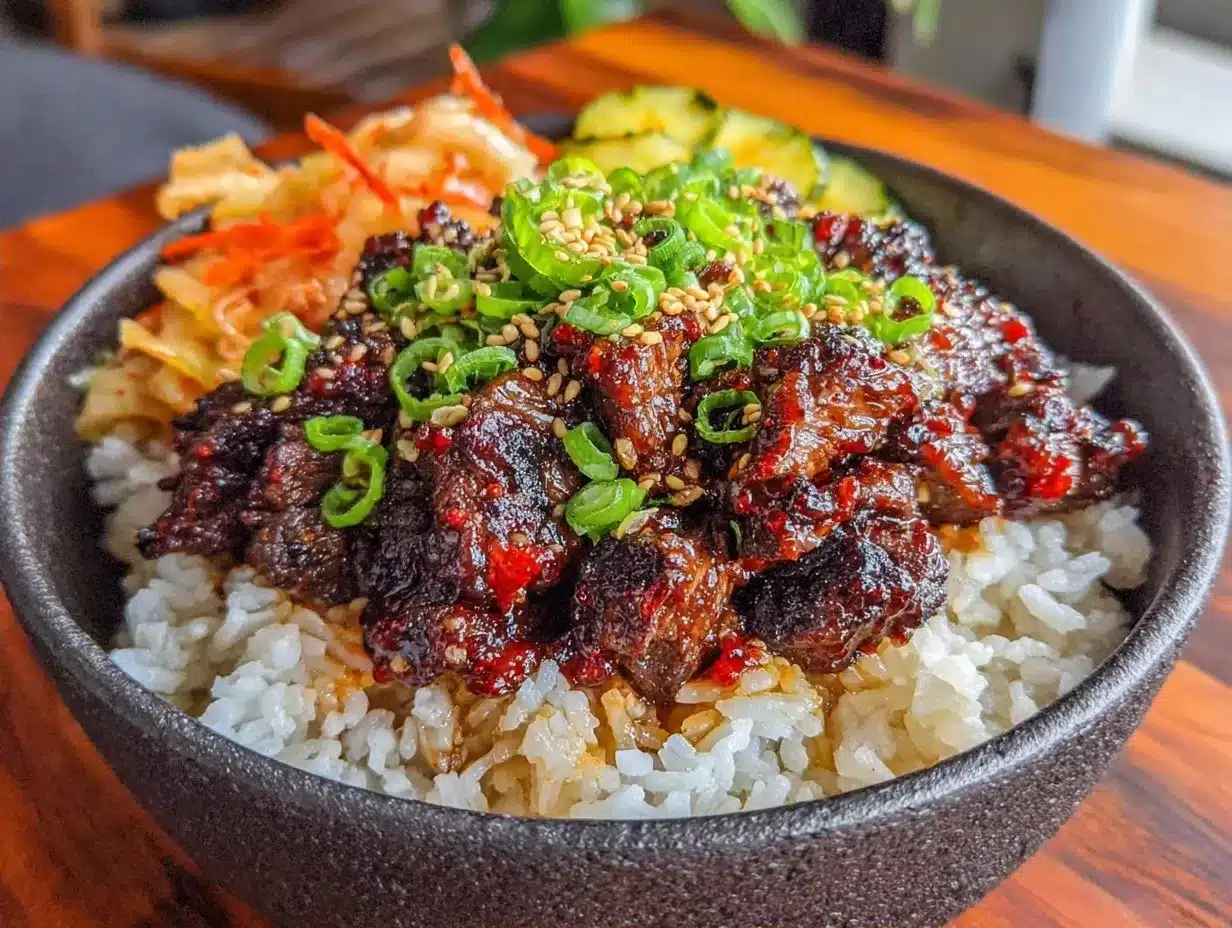
Divide the cooked rice among four bowls. Top with the beef and marinade. Drain the pickled cucumbers and scatter them over the beef. Garnish with chopped green onions and toasted sesame seeds. Serve immediately while the beef is hot and the pickles are crunchy.
Total Time: About 30 minutes (10 minutes active, 20 minutes mostly hands-off)
Expert Tips & Tricks
Here’s everything I’ve learned from making this dozens of times. These tips will save you from my mistakes.
Slice Against the Grain — This is the #1 tip. If you don’t slice against the grain, your beef will be tough and chewy. Look for the lines running through the meat and cut perpendicular to them. It makes a huge difference in texture.
Don’t Skip the Sear — When cooking the beef, let it sit in the hot pan for a minute or two before stirring. This creates a caramelized crust that adds flavor. If you stir too much, it steams instead of sears.
Use Good Soy Sauce — I know it sounds obvious, but cheap soy sauce can taste salty and metallic. Kikkoman or Yamasa are reliable brands. It makes a noticeable difference in the final taste.
Toast Your Sesame Seeds — If you buy raw sesame seeds, toast them in a dry pan over medium heat for 2-3 minutes until they’re golden and fragrant. It adds so much more flavor than raw seeds.
Make Extra Rice — This recipe is best with freshly cooked rice. But if you’re meal prepping, cooked rice keeps well in the fridge for 3-4 days. Just reheat it with a splash of water to loosen it up.
Adjust the Spice — The red pepper flakes are optional. If you’re making this for kids, leave them out. If you like it hot, add more. You can also add a teaspoon of gochujang (Korean chili paste) for a different kind of heat.
Variations & Substitutions
Once you’ve nailed the basic version, here’s how you can mix it up. I’ve tried all of these.
Chicken Bulgogi Bowl — Use chicken thighs instead of beef. Slice them thinly and marinate for 30 minutes. Chicken cooks faster, so reduce the cooking time to 3-4 minutes. My daughter prefers chicken, so I make this version often.
Tofu Bulgogi Bowl — For a vegetarian version, use extra-firm tofu. Press the tofu to remove excess water, then slice it into cubes. Marinate for at least 1 hour (tofu needs more time to absorb flavor). Pan-fry the tofu until crispy before adding to the bowl. It’s surprisingly satisfying.
Pork Bulgogi Bowl — Pork loin or shoulder works well too. Slice thinly and marinate as usual. Pork has a richer flavor that pairs nicely with the sweet soy marinade.
Spicy Version — Add 1 tablespoon of gochujang to the marinade. It adds a deep, fermented heat that’s different from just red pepper flakes. This is my favorite way to make it when I want something bold.
Veggie-Loaded — Toss in some sliced bell peppers, carrots, or mushrooms with the beef in the last 2 minutes of cooking. It adds color and nutrition without much extra effort. I throw in whatever veggies I have on hand.
Serving & Storage
I usually serve this straight from the skillet at the dinner table—it looks rustic and stays warm. But here are other ways I’ve enjoyed it.
Side Dishes:
– Kimchi (if you’re feeling adventurous)
– Simple green salad with sesame dressing
– Steamed broccoli
– Edamame (for extra protein)
Toppings Bar:
When I have guests, I put out: extra sesame seeds, green onions, red pepper flakes, and a bottle of Sriracha. Everyone customizes their bowl.
Storage:
Store the beef and rice separately in airtight containers in the fridge for up to 4 days. The pickles can be stored for up to 2 weeks in the fridge.
Reheating:
Reheat the beef in the microwave with a splash of water or soy sauce to keep it moist. Reheat the rice with a splash of water and cover to steam it. The pickles are best eaten cold or room temperature.
Freezing:
You can freeze the cooked beef for up to 3 months. Thaw in the fridge overnight and reheat gently. The rice doesn’t freeze well, so make fresh rice when you’re ready to eat.
Nutrition Information
I’m not a nutritionist, but here’s the breakdown if you’re tracking.
Per Serving (based on 4 servings):
– Calories: 450
– Protein: 35g
– Carbs: 45g
– Fiber: 2g
– Sugar: 12g
– Fat: 12g
– Sodium: 900mg
What’s Good:
– High protein from the beef
– Moderate carbs from the rice
– Can add veggies to boost fiber and vitamins
What to Know:
– Higher in sodium from the soy sauce
– Contains gluten (soy sauce)
– Can be made gluten-free with tamari
My Take:
Look, this is comfort food. It’s savory, sweet, and satisfying. It’s not a diet recipe, but it’s way better than takeout, costs less, and I know exactly what’s in it. When I want to make it lighter, I use less rice and more veggies. But usually? I just eat a reasonable portion and enjoy it.
Final Thoughts
So that’s my go-to Korean Beef Bulgogi Rice Bowls with Quick Pickles! I’ve probably talked your ear off at this point, but when you make a recipe this often, you have a lot to say about it.
This has saved weeknight dinners more times than I can count. It’s my answer to “what’s for dinner” when I’m tired, don’t want takeout, and still want something that tastes really good. My kids are happy, my husband’s happy, and I’m happy because I’m not stressed about cooking.
Make it yours! Try different add-ins, swap in your favorite vegetables, adjust the spice level. The best recipes are the ones you adapt to your family’s tastes. And if you’re looking for other easy, budget-friendly meals, check out our ground beef stroganoff or our salmon rice bowl for more quick dinner ideas.
If you make this, drop a comment and let me know what you think! I love hearing how recipes turn out in your kitchen. And if something doesn’t work, tell me that too—I’m here to help troubleshoot.
Happy cooking! And I hope your kitchen smells half as good as mine does right now.
Frequently Asked Questions
Can I use flank steak that’s already sliced?
You can, but check the thickness. Pre-sliced stir-fry beef is often too thin and cooks too fast, or it’s pre-treated with chemicals that change the texture. If you can, buy a whole flank steak and slice it yourself. It’s worth the extra 5 minutes.
Why did my beef turn out tough?
Most likely, you sliced it with the grain instead of against it. Look for the muscle fibers and cut perpendicular to them. Also, don’t overcook it. Flank steak cooks quickly—2-3 minutes per side is usually enough. Overcooking makes it dry and chewy.
Can I make the pickles ahead of time?
Yes! The pickles actually get better after sitting in the brine for a few hours. You can make them up to 2 days ahead. Store them in an airtight container in the fridge.
Can I substitute rice vinegar with white vinegar?
You can, but the flavor will be sharper and less sweet. Rice vinegar is milder and slightly sweet, which balances the cucumbers better. If you use white vinegar, add a little extra sugar to the brine.
How do I reheat leftovers without the beef getting dry?
Add a splash of water or soy sauce to the beef before reheating. Cover it and heat in short bursts, stirring in between. This helps steam the beef and keep it moist. Don’t microwave it for too long.
Can I freeze the marinade?
Yes, you can freeze the marinade in an ice cube tray. Then pop the cubes into a freezer bag. When you’re ready to cook, thaw the cubes and add them to the beef. It’s a great way to have marinade ready to go.
What other vegetables go well in this bowl?
Broccoli, carrots, bell peppers, mushrooms, and snap peas all work well. Just make sure to cook them separately or add them to the pan with the beef in the last 2-3 minutes of cooking so they don’t get mushy.
Pin This Recipe!
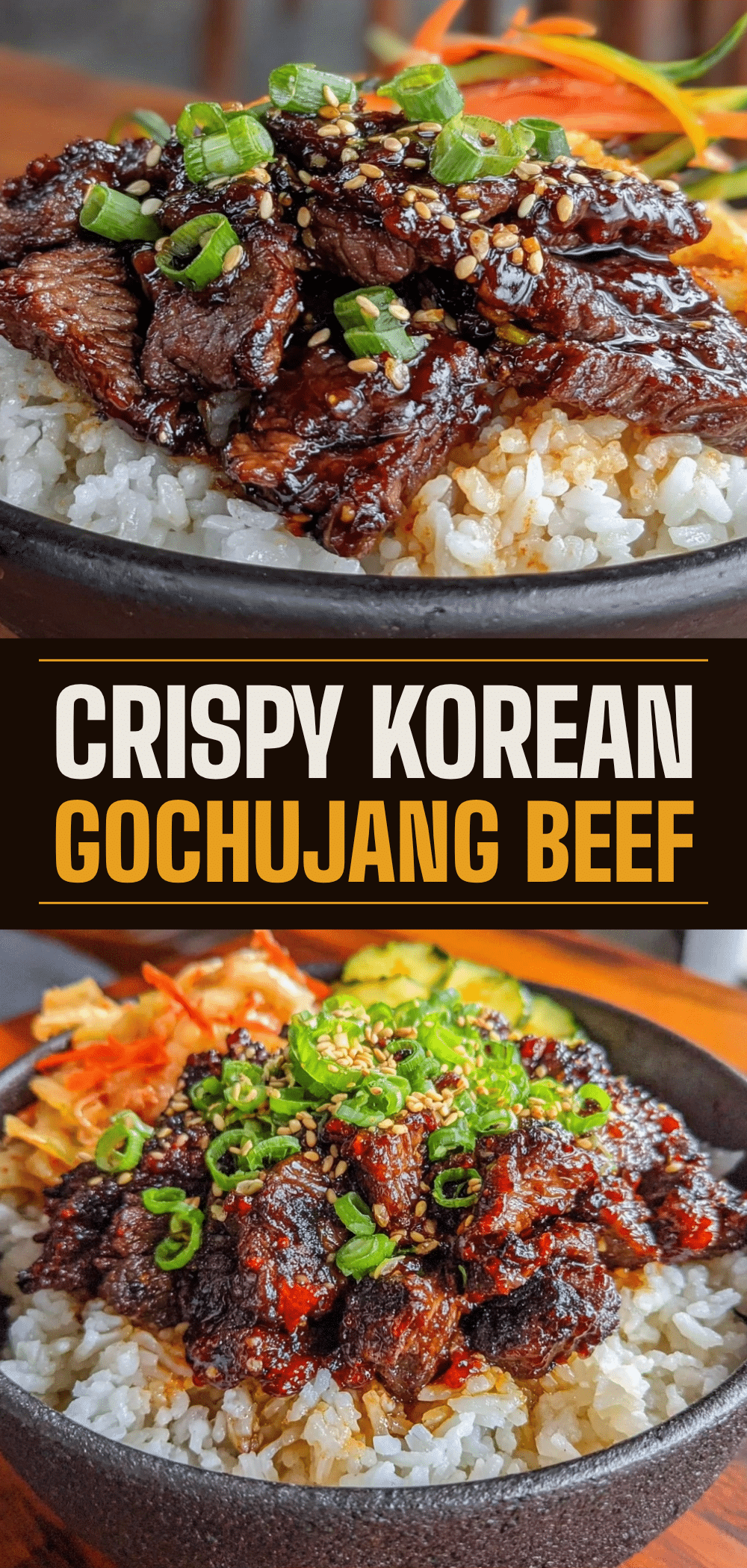
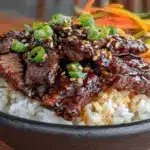
Korean Beef Bulgogi Rice Bowls with Quick Pickles
- Total Time: 30 minutes
- Yield: 4 servings 1x
Description
A budget-friendly, family-approved Korean beef bulgogi rice bowl recipe that comes together in about 30 minutes. Featuring tender marinated flank steak, fluffy jasmine rice, and crunchy quick-pickled cucumbers.
Ingredients
- 1.5 pounds flank steak, sliced thinly against the grain
- ½ cup soy sauce
- 3 tablespoons brown sugar
- 2 tablespoons toasted sesame oil
- 4 cloves garlic, minced
- 1 tablespoon fresh ginger, grated
- ½ teaspoon red pepper flakes (optional)
- 2 cups jasmine rice, uncooked
- 2 medium cucumbers, sliced into half-moons
- ¼ cup rice vinegar
- 2 tablespoons sugar
- 1 teaspoon salt
- 3 green onions, chopped
- 1 tablespoon toasted sesame seeds
- 1 tablespoon neutral oil (for cooking)
Instructions
- Slice the flank steak thinly against the grain and place in a large bowl.
- Add soy sauce, brown sugar, sesame oil, minced garlic, grated ginger, and red pepper flakes to the beef. Stir to combine and coat the beef. Let marinate for 10-15 minutes (or up to 30 minutes for deeper flavor).
- While the beef marinates, place sliced cucumbers in a small bowl. Whisk together rice vinegar, sugar, and salt until dissolved, then pour over the cucumbers. Toss to coat and let sit for at least 5-10 minutes.
- Rinse the jasmine rice under cold water until the water runs clear. Cook the rice according to package directions (typically 2 cups water to 2 cups rice, bring to boil, simmer covered for 15-18 minutes, then rest for 5 minutes).
- Heat a large skillet or wok over medium-high heat. Add neutral oil if needed. Add the beef and marinade in a single layer (cook in batches if necessary). Sear for 2-3 minutes without moving, then stir-fry for another 2-3 minutes until cooked through and caramelized.
- Drain the pickled cucumbers.
- Divide cooked rice among four bowls. Top with the beef and marinade. Scatter the quick pickles over the beef. Garnish with chopped green onions and toasted sesame seeds. Serve immediately.
Notes
Slice the beef against the grain to ensure tenderness. Do not skip the sear; let the beef sit in the hot pan to create a caramelized crust. The pickles can be made up to 2 days ahead. Leftover beef can be frozen for up to 3 months. To make it gluten-free, substitute soy sauce with tamari.
- Prep Time: 10 minutes
- Cook Time: 20 minutes
- Category: Main Course
- Cuisine: Korean
Nutrition
- Serving Size: 1 bowl per serving
- Calories: 450
- Sugar: 12
- Sodium: 900
- Fat: 12
- Saturated Fat: 3
- Carbohydrates: 45
- Fiber: 2
- Protein: 35
Keywords: Korean beef, bulgogi, rice bowls, quick dinner, budget meal, flank steak, quick pickles, family dinner, weeknight meals