Last Thursday night, I was standing in my kitchen at 6:45 PM, staring at the clock with a sinking feeling in my stomach. My husband had sent a text saying he’d be home in 45 minutes, my two kids were already complaining about being hungry, and I had exactly zero energy to do anything complicated. I looked at the half-empty fridge and the cluttered counter, and I knew I had two choices: order expensive takeout (which I was trying to avoid) or figure out a miracle dinner.
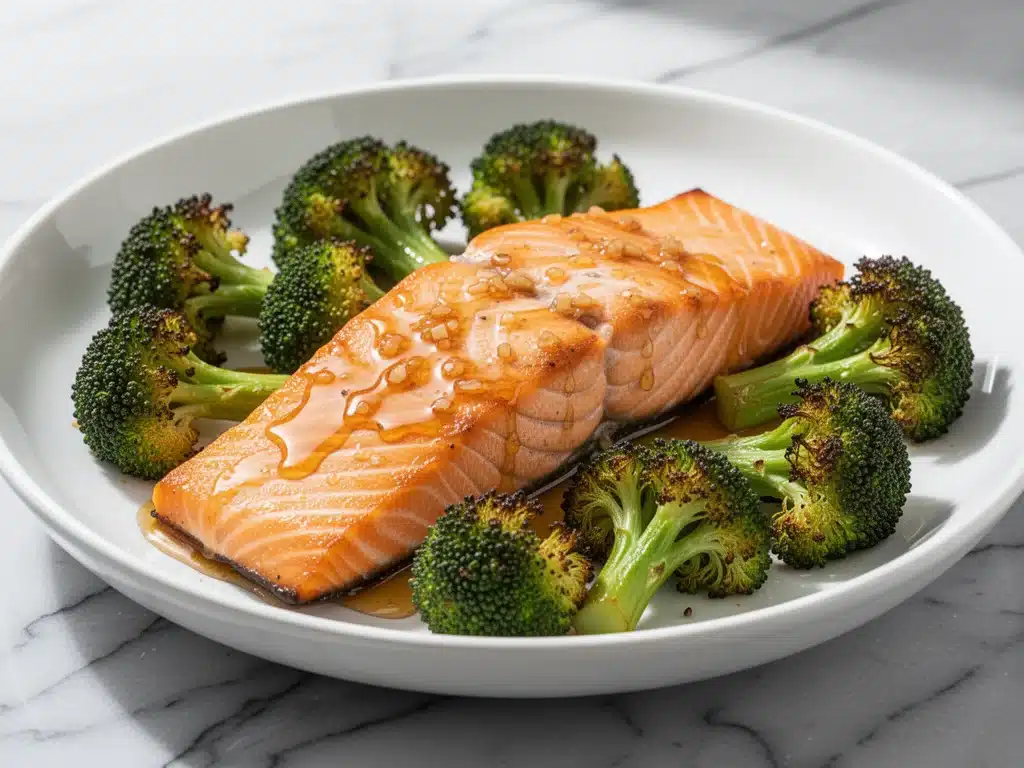
That’s when I remembered the sheet pan sitting on my stove. I pulled out a few filets of salmon, a head of broccoli that was starting to look a little tired, and some pantry staples. I didn’t even have a plan. I just threw everything together with honey, garlic, soy sauce, and a little lemon juice. I slid it into the oven, tried to ignore the kids bickering in the living room, and set the timer for 20 minutes.
When the timer went off, the smell was incredible—sweet, savory, and just a little bit garlicky. My husband walked in, took one bite, and said, “This is better than that restaurant we went to last month.” That’s when I knew I had found the holy grail of weeknight dinners. This Sheet Pan Honey Garlic Salmon with Broccoli isn’t just easy; it’s reliable. It’s the recipe I turn to when I’m tired, when I’m busy, and when I still want to feed my family something that tastes like I actually cared (even if I was running on fumes).
I’ve made this salmon recipe at least a dozen times since that Thursday. Sometimes I add bell peppers, sometimes I use asparagus, but the core flavor combination—sticky honey, punchy garlic, and flaky salmon—never changes. It’s become my go-to for busy weeknights because it requires almost no prep, uses one pan (hello, easy cleanup), and cooks in the same time it takes to order Uber Eats. If you’re looking for a dinner that just works, this is it.
Why You’ll Love This Sheet Pan Honey Garlic Salmon
There are about ten reasons I keep making this honey garlic salmon, but here are the big ones that make it a staple in our house. It’s not just about the taste, though that’s definitely a huge part of it.
- Zero Stress Cleanup — Seriously, one sheet pan. That’s it. I don’t have to wash a saucepan, a skillet, and a cutting board. I just throw the pan in the sink with some soap and let it soak while I relax. This is the main reason I make it on Tuesdays when I’m exhausted.
- Lightning Fast — From pulling out the ingredients to plating dinner is about 30 minutes. The active time is maybe 10 minutes while you chop and mix. The rest is just waiting in the oven. I can actually check my email while this cooks.
- Healthy Without Being Boring — Salmon is packed with omega-3s, and broccoli is a nutritional powerhouse. But because of the honey garlic glaze, it doesn’t taste like “diet food.” It tastes like a treat. My kids don’t even realize they’re eating vegetables.
- Pantry-Friendly Sauce — You probably already have honey, garlic, soy sauce, and lemon juice. You don’t need to make a special trip to the store for this. I keep these staples stocked specifically for nights like this.
- Crowd-Pleaser — I’ve served this to my pescatarian friend, my husband who loves meat, and my picky eater son. Everyone leaves the table happy. The sweet and savory flavor profile appeals to almost everyone.
- Restaurant Quality at Home — The glaze caramelizes in the oven, giving the salmon that sticky, glossy finish you usually only get at a nice seafood spot. It feels fancy, but it’s actually super simple.
This recipe has completely changed our weeknight routine. I’m no longer stressed about what to cook because I know I can throw this together in under 15 minutes. It’s reliable, delicious, and leaves me with more time to actually spend with my family instead of standing over the stove.
Ingredients You’ll Need
Here’s the best part: you probably have most of this already. The sauce is simple, using ingredients that are likely in your pantry right now. I’m particular about a few things here, and I’ll tell you exactly why.
For the Salmon and Veggies
Salmon Fillets (1.5 lbs / 680g) — I use wild-caught sockeye or Atlantic salmon. Look for fillets that are roughly the same thickness so they cook evenly. If they’re super thick, you might want to cut them in half. Fresh is best, but frozen works too if you thaw it completely first.
Broccoli Florets (2 large heads / about 800g) — Fresh broccoli is great, but I also use frozen florets sometimes when I’m in a rush. Just make sure they’re thawed and patted dry so they roast instead of steam. Cut the florets into bite-sized pieces.
Red Bell Pepper (1 medium, sliced / about 150g) — I add this for color and a little sweetness. It complements the broccoli nicely. You can skip it if you want, but I think it makes the dish look more vibrant.
For the Honey Garlic Glaze
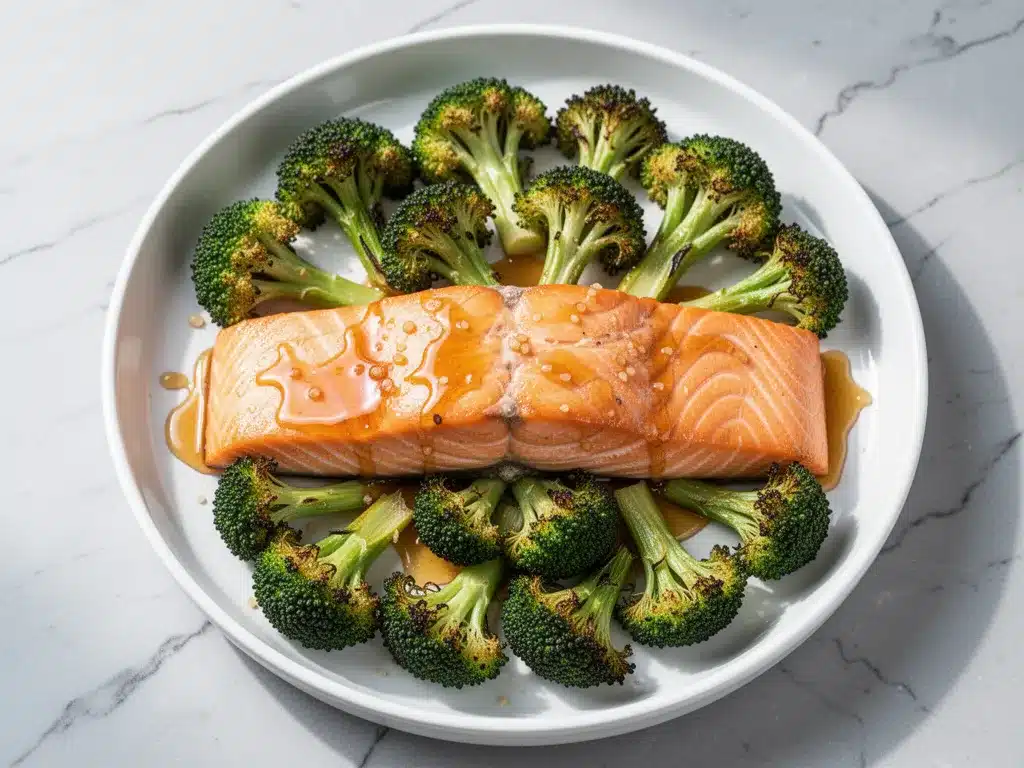
Honey (¼ cup / 60ml) — This is the star. It caramelizes beautifully. I use regular clover honey, but any honey works. Don’t use artificial honey substitute; it won’t give you that sticky texture.
Soy Sauce (3 tablespoons / 45ml) — I use low-sodium soy sauce so I can control the saltiness. Regular soy sauce is fine, but you might need to reduce any added salt in the recipe. It adds that umami depth.
Garlic (4 cloves, minced / about 2 tablespoons) — Fresh garlic is non-negotiable here. Jarred garlic has a weird metallic taste that really shows up in a simple sauce like this. Mince it finely so it distributes evenly.
Apple Cider Vinegar (1 tablespoon / 15ml) — This cuts through the sweetness of the honey and the richness of the salmon. It adds a little brightness. If you don’t have apple cider vinegar, white wine vinegar works too.
Lemon Juice (1 tablespoon / 15ml) — Freshly squeezed is best. Bottled lemon juice tastes flat. It adds acidity that balances the sauce perfectly.
Red Pepper Flakes (½ teaspoon) — Optional, but I love a little heat. It adds a nice kick that keeps the flavor from being too sweet. If you’re sensitive to spice, use less or skip it.
Black Pepper (½ teaspoon) — Freshly cracked black pepper adds a little earthiness. Pre-ground pepper is fine, but freshly cracked tastes better.
Vegetable Oil (1 tablespoon / 15ml) — Just enough to coat the veggies and prevent sticking. You can use olive oil, but vegetable or canola oil has a higher smoke point, which is better for roasting.
Sesame Seeds (1 tablespoon / for garnish) — Toasted sesame seeds add a nice crunch and nutty flavor. I always keep a jar of these in my pantry now. It makes the dish look finished and professional.
Substitutions
Gluten-Free: Swap regular soy sauce for tamari or coconut aminos. Everything else is naturally gluten-free.
Dairy-Free: This recipe is already dairy-free, so no changes needed. Perfect for dairy-free diets.
Less Sugar: Reduce the honey to 2 tablespoons and add a pinch of stevia or erythritol if you’re watching sugar. It won’t caramelize as much, but it still tastes good.
Equipment Needed
You don’t need fancy equipment for this. Here’s what I actually use.
Large Sheet Pan — I use a standard 18×13 inch baking sheet. It needs to be big enough to fit the salmon and veggies in a single layer. If your pan is too small, the veggies will steam instead of roast, and the salmon will overcook. Line it with parchment paper for easy cleanup.
Baking Dish or Plate — For mixing the sauce. A small bowl works fine.
Brush or Spoon — To drizzle the sauce over the salmon. I use a silicone brush because it’s easy to clean, but a regular spoon works too.
Sharp Knife — For chopping the broccoli and bell pepper. A dull knife makes chopping veggies a pain.
Cutting Board — Any size works. I use a plastic one for veggies to avoid cross-contamination with raw salmon later.
Measuring Cups and Spoons — For the sauce. Accurate measurements matter here because the balance of sweet and savory is key.
Oven — Obviously. Preheat it to 400°F (200°C). Make sure it’s fully heated before you put the pan in.
How to Make It: Step-by-Step
Alright, let’s make this! I’m walking you through exactly how I do it, including the little tricks I’ve picked up.
Step 1: Prep the Oven and Pan (5 minutes)
Preheat your oven to 400°F (200°C). Line a large sheet pan with parchment paper or aluminum foil. I prefer parchment because cleanup is instant. This step ensures the oven is hot when the food goes in, which is crucial for proper roasting.
Step 2: Prep the Vegetables (5 minutes)
Wash and dry your broccoli. Cut the florets into bite-sized pieces. Slice the bell pepper into thin strips. Place them on the prepared sheet pan. Drizzle with the vegetable oil and toss to coat. Spread them out in a single layer. Don’t crowd the pan, or the veggies will steam instead of roast. I like to leave some space around the edges for the salmon.
Step 3: Make the Honey Garlic Sauce (2 minutes)
In a small bowl, whisk together the honey, soy sauce, minced garlic, apple cider vinegar, lemon juice, red pepper flakes, and black pepper. Whisk until the honey is fully dissolved and the mixture is smooth. The sauce should look glossy and slightly thickened. Taste it—it should be sweet, savory, and a little tangy. Adjust if needed.
Step 4: Place the Salmon (2 minutes)
Pat the salmon fillets dry with paper towels. This helps them sear better. Place the fillets on the sheet pan, on top of or next to the vegetables. Make sure the skin-side is down if your salmon has skin. If you’re using skinless fillets, just place them flesh-side up.
Step 5: Glaze and Roast (15-18 minutes)
Drizzle half of the honey garlic sauce over the salmon fillets. Save the other half for serving later. Slide the pan into the preheated oven. Roast for 12-15 minutes. The salmon is done when it flakes easily with a fork and reaches an internal temperature of 145°F (63°C). The veggies should be tender and slightly charred at the edges.
Step 6: Final Glaze and Garnish (1 minute)
Remove the pan from the oven. Drizzle the remaining honey garlic sauce over the salmon and veggies. Sprinkle with toasted sesame seeds and chopped green onions if you have them. Let it rest for 2 minutes before serving. This allows the sauce to set slightly and makes it easier to plate.
Troubleshooting: If the salmon is cooking faster than the veggies, remove the salmon after 10 minutes and let the veggies cook for another 5-7 minutes. If the veggies are done but the salmon isn’t, cover the veggies with foil and keep the salmon in the oven for a few more minutes.
Expert Tips & Tricks
Here’s everything I’ve learned from making this dozens of times. These tips will save you from my mistakes.
- Don’t Overcook the Salmon — Salmon continues to cook after you take it out of the oven. Remove it when it’s just barely opaque in the center. Overcooked salmon is dry and rubbery. Undercooked is safe if it’s flaky and moist.
- Pat the Salmon Dry — Moisture is the enemy of good roasting. Patting the fillets dry helps the glaze stick and prevents the fish from steaming.
- Use Fresh Garlic — I know it’s tempting to use jarred garlic, but fresh garlic makes a huge difference in flavor. Minced fresh garlic burns easily, so keep an eye on the oven if you’re using a lot.
- Toast the Sesame Seeds — If you buy raw sesame seeds, toast them in a dry pan for 2 minutes before sprinkling them on. It adds a nutty flavor that elevates the dish.
- Save the Sauce — Reserving half the sauce for serving ensures the flavor stays bright. The sauce that cooks on the salmon can get a bit caramelized and sticky, which some people find too sweet.
- Room Temperature Salmon — Let the salmon sit out for 10 minutes before cooking. This helps it cook more evenly. Cold salmon straight from the fridge can cook unevenly.
Variations & Substitutions
Once you’ve nailed the basic version, here’s how you can mix it up. I’ve tried all of these.
Asian-Style Noodle Bowl — Instead of veggies, serve the salmon over rice noodles or soba noodles. Toss the noodles with the remaining sauce. This is great for meal prep.
Mediterranean Twist — Swap the honey and soy sauce for olive oil, lemon juice, dried oregano, and garlic. Add cherry tomatoes and red onion to the sheet pan. Serve with feta cheese.
Spicy Honey Garlic — Add 1 teaspoon of sriracha or gochujang to the sauce. This adds a spicy kick that pairs well with the sweetness. My husband loves this version.
Vegetarian Option — Replace the salmon with firm tofu cubes. Press the tofu first, then toss it in the sauce and roast. It gets crispy and delicious.
Gluten-Free — Use tamari or coconut aminos instead of soy sauce. Everything else is naturally gluten-free.
Serving & Storage
How to Serve: I usually serve this straight from the sheet pan at the dinner table—it looks rustic and stays warm. But here are other ways I’ve enjoyed it:
- Over Rice — Steamed jasmine rice or brown rice absorbs the sauce beautifully.
- With Quinoa — A healthy grain alternative that pairs well with the veggies.
- With Roasted Potatoes — Add small potato wedges to the sheet pan for a complete meal.
Storage: Store leftovers in an airtight container in the refrigerator for up to 3 days. The salmon will keep well, but the veggies might get a bit soft. Reheat gently in the microwave or a skillet with a splash of water to keep it moist.
Freezing: I don’t recommend freezing this dish. The texture of the salmon and veggies changes after freezing. It’s best eaten fresh.
Nutrition Information
I’m not a nutritionist, but here’s the breakdown if you’re tracking.
| Per Serving (based on 4 servings) |
|---|
| Calories: 350 |
| Protein: 30g |
| Carbs: 25g |
| Fiber: 4g |
| Sugar: 18g |
| Fat: 15g |
| Saturated Fat: 2g |
| Cholesterol: 70mg |
| Sodium: 600mg |
Look, this is a healthy dinner with good protein and veggies. It’s not a diet recipe, but it’s nutrient-dense. When I want to make it lighter, I reduce the honey and add more broccoli. But usually? I just enjoy it as is.
Final Thoughts
So that’s my go-to Sheet Pan Honey Garlic Salmon with Broccoli! I’ve probably talked your ear off at this point, but when you make a recipe this often, you have a lot to say about it. This has saved weeknight dinners more times than I can count. It’s my answer to “what’s for dinner” when I’m tired, don’t want takeout, and still want something that tastes really good.
Make it yours! Try different veggies, adjust the spice level, or swap the grain. The best recipes are the ones you adapt to your family’s tastes. If you make this, drop a comment and let me know what you think! I love hearing how recipes turn out in your kitchen.
Happy cooking! And I hope your kitchen smells half as good as mine does right now.
Frequently Asked Questions
Can I use frozen salmon?
Yes, but you need to thaw it completely first. Pat it dry very well before cooking. Frozen salmon can release more water, so you might need to cook it for a minute or two longer. I prefer fresh, but frozen works in a pinch.
Why did my salmon turn out dry?
It was probably overcooked. Salmon cooks quickly, and it’s easy to leave it in too long. Remove it when it’s just opaque and flaky. It will continue to cook slightly after you take it out of the oven.
Can I make this ahead for a dinner party?
You can prep the veggies and mix the sauce ahead of time. Store them in the fridge. When you’re ready to cook, just assemble and roast. The salmon should be cooked fresh for the best texture.
What’s the best side dish for this?
I love serving it with steamed rice, quinoa, or roasted potatoes. A simple green salad also works well if you want something light. Check out my salmon rice bowl with spicy mayo if you want another salmon idea.
Can I use maple syrup instead of honey?
You can, but the flavor will be different. Maple syrup is less sweet and has a distinct taste. It still works, but honey gives that classic sticky glaze. I’ve tried both, and honey is my favorite.
How do I reheat leftovers without it getting dry?
Add a splash of water or broth to a skillet and reheat gently over low heat. This keeps the salmon moist. Avoid the microwave if possible, as it tends to dry out fish.
Can I double this recipe?
Yes, but you might need two sheet pans. Don’t crowd the pan, or the veggies will steam. Use two racks in the oven if you have the space, or cook in batches.
Pin This Recipe!
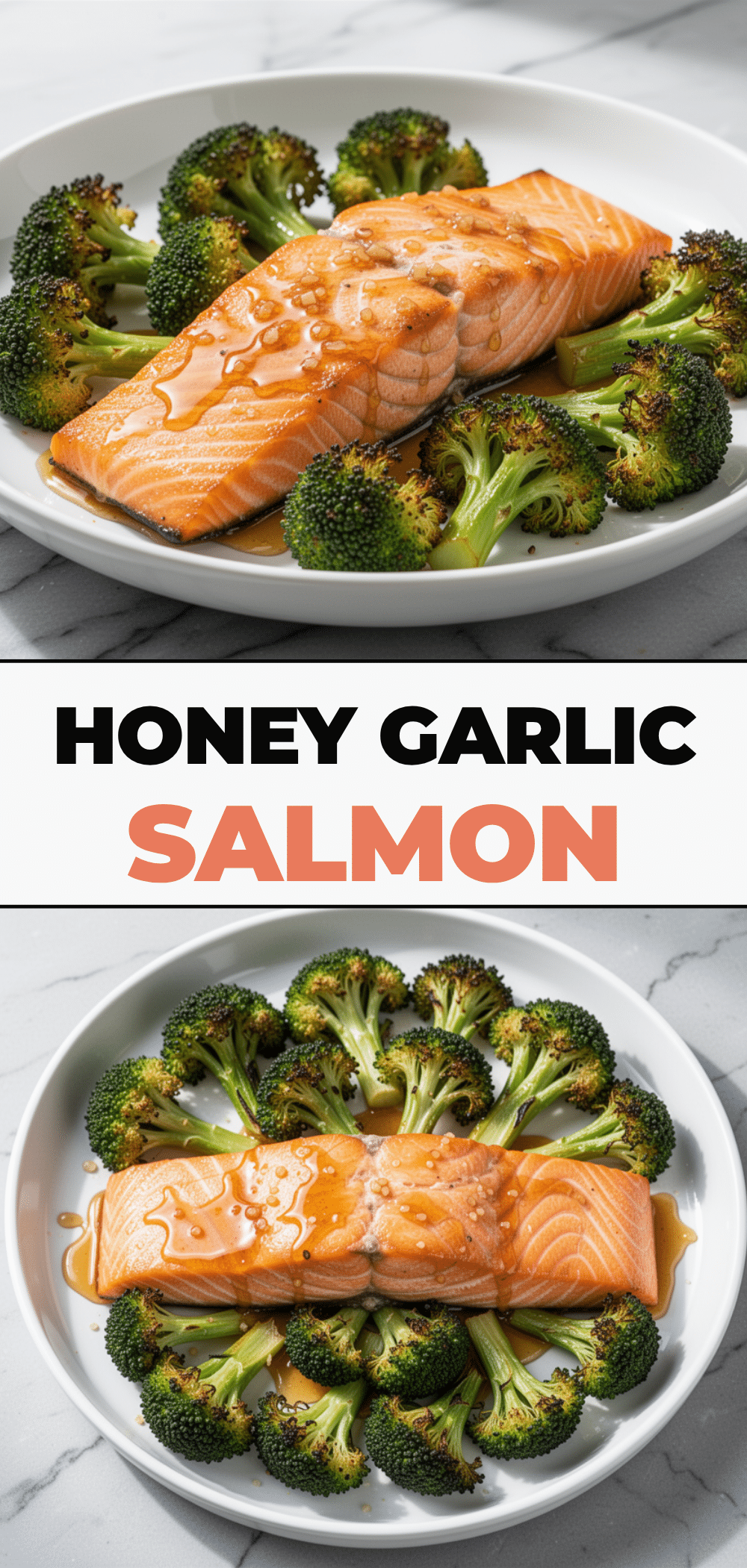
Sheet Pan Honey Garlic Salmon with Broccoli
- Total Time: 30 minutes
- Yield: 4 servings 1x
Description
A reliable, weeknight-friendly dinner featuring flaky salmon and roasted broccoli coated in a sticky, sweet, and savory honey garlic glaze. Ready in just 30 minutes with minimal cleanup.
Ingredients
- 1.5 lbs salmon fillets (wild-caught sockeye or Atlantic)
- 2 large heads broccoli (about 800g), cut into bite-sized florets
- 1 medium red bell pepper, sliced
- 1/4 cup honey
- 3 tablespoons soy sauce (low-sodium recommended)
- 4 cloves garlic, minced
- 1 tablespoon apple cider vinegar
- 1 tablespoon lemon juice (freshly squeezed)
- 1/2 teaspoon red pepper flakes (optional)
- 1/2 teaspoon black pepper
- 1 tablespoon vegetable oil
- 1 tablespoon toasted sesame seeds (for garnish)
Instructions
- Preheat oven to 400°F (200°C). Line a large sheet pan (18×13 inch) with parchment paper or aluminum foil.
- Wash and dry broccoli, cutting florets into bite-sized pieces. Slice bell pepper into thin strips. Place vegetables on the prepared sheet pan.
- Drizzle vegetables with vegetable oil and toss to coat. Spread them out in a single layer, leaving space for the salmon.
- In a small bowl, whisk together honey, soy sauce, minced garlic, apple cider vinegar, lemon juice, red pepper flakes, and black pepper until smooth.
- Pat salmon fillets dry with paper towels. Place fillets on the sheet pan, skin-side down if applicable.
- Drizzle half of the honey garlic sauce over the salmon fillets. Reserve the remaining half for serving.
- Roast in the preheated oven for 12-15 minutes, or until salmon flakes easily with a fork and reaches an internal temperature of 145°F (63°C). Veggies should be tender and slightly charred.
- Remove pan from oven. Drizzle the remaining sauce over the salmon and veggies. Sprinkle with toasted sesame seeds.
- Let rest for 2 minutes before serving.
Notes
Pat salmon dry before cooking to ensure proper roasting and glaze adhesion. If using frozen salmon, ensure it is completely thawed and patted dry. Do not overcrowd the pan, as this will cause vegetables to steam rather than roast. For a spicy kick, add sriracha or gochujang to the sauce. Serve over rice, quinoa, or with roasted potatoes.
- Prep Time: 10 minutes
- Cook Time: 20 minutes
- Category: Main Course
- Cuisine: Asian Fusion
Nutrition
- Serving Size: 1 fillet with vegeta
- Calories: 350
- Sugar: 18
- Sodium: 600
- Fat: 15
- Saturated Fat: 2
- Carbohydrates: 25
- Fiber: 4
- Protein: 30
Keywords: sheet pan dinner, honey garlic salmon, quick weeknight meals, healthy salmon recipe, easy cleanup, gluten-free option, dairy-free