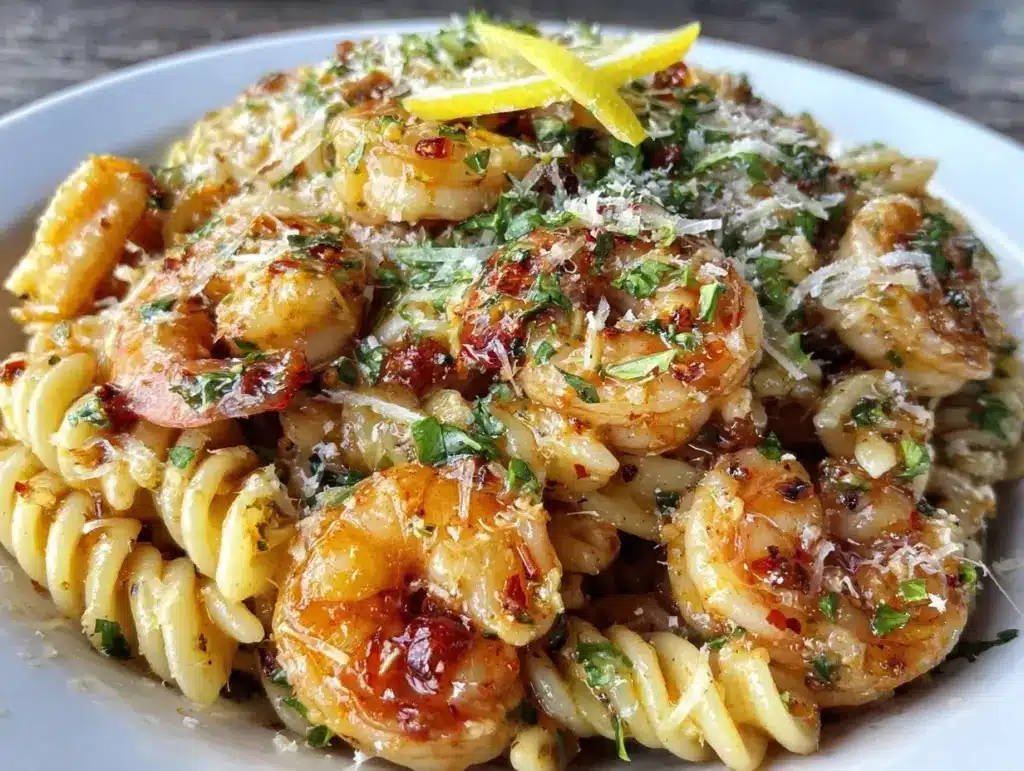
I have a confession. Last week, I made this shrimp pasta three nights in a row. Three. I know what you’re thinking—that sounds like a disaster waiting to happen. But here’s the thing: when a recipe is this forgiving, this quick, and this ridiculously delicious, you stop overthinking it and just let it happen. It’s not a chore; it’s a relief.
Before I discovered this specific way of cooking shrimp and pasta, I was always intimidated by shrimp. I’d buy the bag, stare at it in the freezer, and then forget about it until it turned into an icy brick that took forever to thaw. Or worse, I’d rush it in the pan, end up with rubbery, chewy little discs, and feel like I’d ruined dinner. I’ve been there. I’ve paid for that lesson.
But this Shrimp Pasta with Lemon Garlic Butter Sauce changed everything for me. It’s built on a philosophy I’ve come to love: minimal ingredients, maximum flavor. You don’t need a pantry full of fancy spices or a weekend to prep. You just need a few staples you probably already have, and about 15 minutes of your time. It’s the kind of dish that makes you feel like a pro chef, even if you’re cooking in your pajamas after a long day.
I’ve tested this recipe with everything from tiny, cheap shrimp to large, expensive ones, and it works perfectly every time. The sauce clings to the pasta, the lemon cuts through the richness of the butter, and the garlic? Well, let’s just say the neighbors might knock on your door asking what smells so good. This is the one dish I recommend when people ask for a foolproof weeknight dinner. It’s simple, it’s elegant, and honestly? You really can’t mess it up.
Why You’ll Love This Recipe
There are about ten reasons I keep coming back to this lemon garlic shrimp pasta, but if you’re looking for the big ones, here they are. This isn’t just another pasta recipe; it’s a confidence builder.
- Stupid Simple Ingredients — Seriously, this is a five-ingredient game-changer (not counting pasta and salt). You need shrimp, butter, garlic, lemon, and pasta. That’s it. No weird sauces from the back of the cupboard you’re afraid to try. If you can boil water and squeeze a lemon, you can make this.
- Lightning Fast — 15 minutes from start to finish. And I mean start to finish. The shrimp cooks in about 3 minutes. The pasta boils in 8-10. The sauce comes together while the pasta is cooking. It’s faster than ordering takeout, and it actually tastes better.
- Beginner-Proof — Shrimp is incredibly forgiving if you know the one trick: don’t overcook it. This recipe walks you through exactly how to tell when it’s done. No more rubbery texture. It’s hard to fail here.
- Restaurant Quality at Home — I’ve served this to friends who claim to be “foodies,” and they always ask for the recipe. The combination of bright lemon and rich garlic butter feels fancy, but it’s just basic cooking done right. It tastes like something you’d pay $25 for at a bistro.
- Light Yet Satisfying — Unlike heavy cream-based pastas that leave you feeling sluggish, this one is light. The butter and lemon keep it fresh. You can eat a big bowl and still feel good about yourself. Plus, it’s naturally gluten-free if you use GF pasta, which is a huge plus for my gluten-sensitive sister.
This is my go-to when I want to feel like I cooked something special, but I don’t want to spend my life in the kitchen. It’s reliable, it’s tasty, and it just works.
Ingredients You’ll Need
Here’s the best part: this recipe relies on pantry staples and fresh basics. You probably have 80% of this already. I’m particular about a couple of things here—specifically the shrimp and the lemon—but I’ll tell you exactly what to look for so you don’t have to guess.
For the Pasta and Base
Spaghetti or Linguine (1 pound / 450g) — I usually reach for spaghetti because it’s classic, but linguine is fantastic too because its flat shape holds the butter sauce beautifully. Any long pasta works. Angel hair is too delicate and will get mushy, so stick to something with a bit of chew. Save a cup of pasta water before you drain it! That starchy water is magic for emulsifying the sauce.
Butter (4 tablespoons / 56g) — Unsalted butter is best so you can control the salt level. I use high-quality European-style butter if I have it, because the flavor difference is noticeable in a simple sauce like this. But regular unsalted butter works perfectly fine. Don’t skimp here; the butter is the body of the sauce.
Garlic (4-5 cloves, minced / about 2 tablespoons) — Yes, five cloves. Don’t be shy. Fresh garlic is non-negotiable for this recipe. Jarred minced garlic has a metallic, preserved taste that really clashes with the fresh lemon. Mincing five cloves takes two minutes. If you’re feeling lazy, buy pre-peeled cloves from the produce section—it’s worth the extra penny.
For the Star: The Shrimp
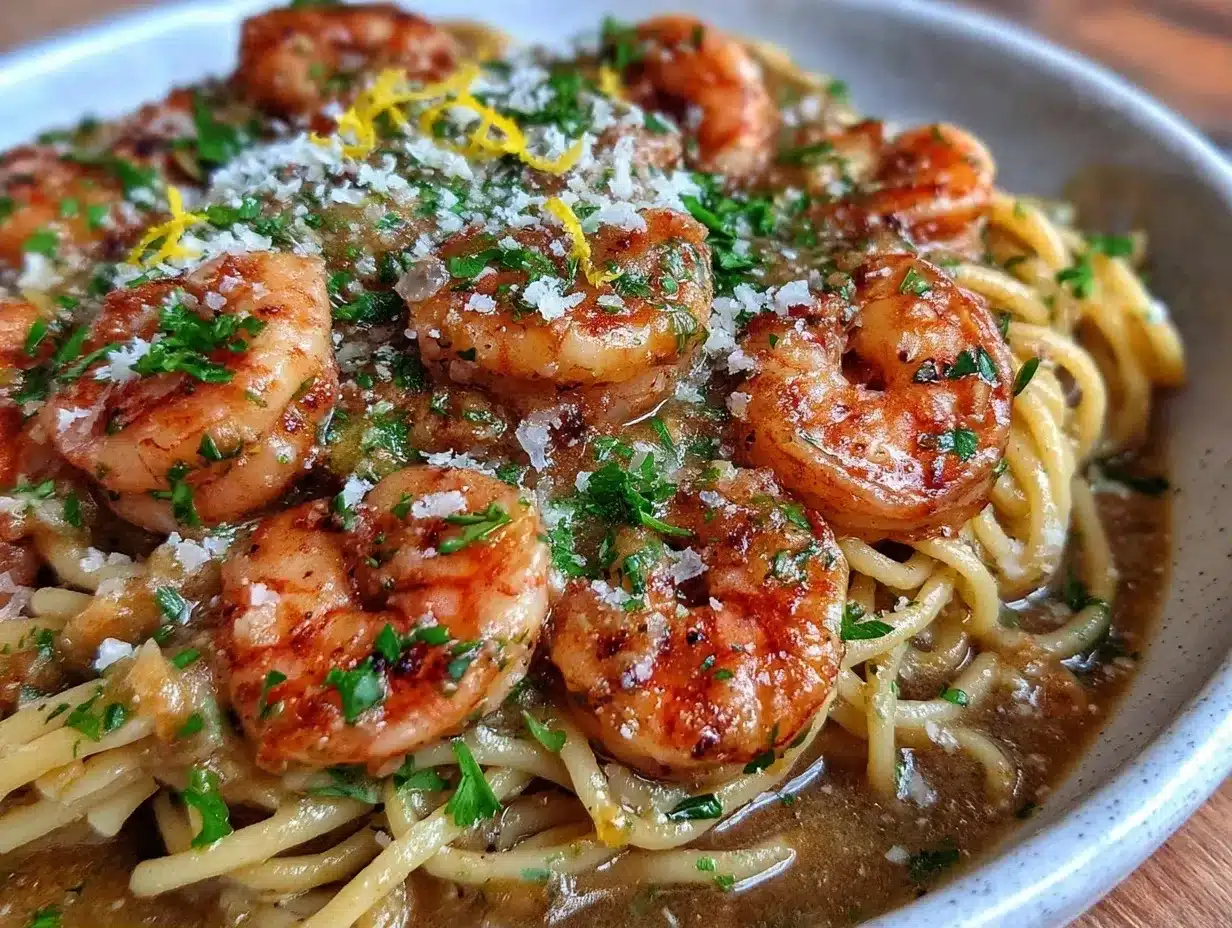
Raw Shrimp (1 pound / 450g, peeled and deveined) — This is the most important ingredient. Look for “wild-caught” if your budget allows, but farmed is fine too. The key is to buy them raw and peel them yourself, or buy them pre-peeled and deveined. Avoid “cooked” shrimp from the seafood counter; they’ll just get overcooked in the pan. Aim for medium or large shrimp (21-25 count per pound). If they’re huge, you might want to slice them in half so they cook evenly.
Patience — Not an ingredient, but crucial. You need to pat the shrimp dry with paper towels before cooking. Wet shrimp steam instead of sear. If they steam, they don’t get that nice golden color, and they don’t taste as good. Trust me on this.
For the Flavor
Lemon (2 medium lemons) — You need both juice and zest. Zest gives you the aromatic oil from the peel, which is where all the bright flavor is. Juice gives you the acidity to cut the fat. Use fresh lemons. Bottled lemon juice tastes flat and chemical. If you’re in a pinch, you can use lemon juice from a concentrate, but you’ll miss out on the zest flavor, so fresh is strongly preferred.
Red Pepper Flakes (½ teaspoon) — Optional, but I highly recommend it. Just a pinch adds a subtle warmth that balances the lemon and butter without making it spicy. If you hate heat, skip it, but I think it adds depth.
Parsley (2 tablespoons, fresh chopped) — This is for garnish and a fresh herbal note at the end. Flat-leaf parsley is better than curly because it has a stronger flavor. If you don’t have fresh parsley, dried oregano works in a pinch, but fresh is ideal.
Salt and Black Pepper — To taste. Kosher salt is my go-to for cooking because it’s easier to control. Freshly cracked black pepper adds a nice finish.
Optional Add-ins
White Wine (¼ cup) — A splash of dry white wine like Pinot Grigio or Sauvignon Blanc deglazes the pan and adds complexity. If you don’t drink alcohol, use extra chicken broth or just extra lemon juice. It’s not essential, but it elevates the dish.
Parmesan Cheese — Some people like a dusting of parmesan on top. It’s not traditional for this specific lemon-butter style, but if you’re a cheese lover, go for it. I usually skip it to let the lemon shine.
Equipment Needed
You don’t need fancy gear for this. Here’s what I actually use, and what you can swap if you don’t have it.
Large Skillet or Sauté Pan — I use a 12-inch stainless steel skillet. Stainless is great because it lets you get a good sear on the shrimp without sticking if you use enough butter. Cast iron works too, but non-stick is fine if you’re gentle. You need enough surface area so the shrimp aren’t crowded. Crowded shrimp = steamed shrimp = sad shrimp.
Large Pot — For boiling the pasta. A 6-quart pot is standard. Any big pot works. Just make sure it has a lid for safety when boiling.
Colander — For draining the pasta. Or just use the lid to drain if you’re being efficient. I keep a colander hanging by my sink for this exact reason.
Zester or Microplane — For getting that lemon zest. A regular grater works, but a microplane is so much easier and gives you fine, fluffy zest that melts into the butter instantly. If you don’t have one, a sharp paring knife works to peel the yellow part off, then mince it finely.
Knife and Cutting Board — For mincing garlic and chopping parsley. Make sure your knife is sharp. Dull knives are dangerous and make mincing garlic a nightmare.
Measuring Spoons — For the red pepper flakes and lemon juice. I eyeball the garlic and parsley, but the lemon juice and flakes benefit from a little measurement so you get the balance right.
How to Make It: Step-by-Step
Alright, let’s make this! I’m walking you through exactly how I do it. It’s straightforward, but there are a few tricks to get that restaurant-quality sear and sauce.
Step 1: Prep Everything (5 minutes)
Before you turn on the stove, get everything ready. This is a fast recipe, so you won’t have time to chop while the shrimp is cooking. Peel and devein the shrimp if you haven’t already. Pat them DRY with paper towels. This is the most important step for good searing. Mince the garlic. Zest the lemons, then cut them in half to juice. Chop the parsley. Set everything in small bowls or piles near the stove. You’ll thank me later.
Step 2: Boil the Pasta (8-10 minutes)
Bring a large pot of salted water to a rolling boil. The water should taste like the ocean. Add the pasta and stir immediately to prevent sticking. Cook according to package directions until al dente (usually 8-10 minutes). Crucial Step: Before draining, scoop out 1 cup of the starchy pasta water and set it aside. Drain the pasta and set it back in the pot (or on a warm plate). Do not rinse the pasta! You want that starch to help the sauce cling.
Step 3: Sear the Shrimp (3-4 minutes)
While the pasta cooks, heat the butter in your large skillet over medium-high heat. Once the butter is melted and foaming, add the shrimp in a single layer. Don’t crowd the pan! If your pan is small, cook in two batches. Season the shrimp with salt and pepper. Let them cook undisturbed for about 1-2 minutes until the bottoms are pink and slightly golden. Flip them and cook for another 1-2 minutes until they are opaque and cooked through. Shrimp cook fast, so watch them closely. Remove the shrimp from the pan and set them aside on a plate. They will continue to cook slightly from residual heat, so take them out when they’re just barely done.
Step 4: Make the Garlic Butter Sauce (2 minutes)
Reduce the heat to medium-low. In the same pan (don’t clean it! those brown bits are flavor), add the minced garlic and red pepper flakes. Sauté for just 30-60 seconds until fragrant. Be careful not to burn the garlic—if it turns brown, it will taste bitter. Immediately add the lemon juice and lemon zest. Stir to combine. If you’re using wine, add it now and let it simmer for 30 seconds to cook off the alcohol.
Step 5: Combine and Finish (2 minutes)
Add the drained pasta to the skillet with the sauce. Toss everything together over low heat. Add a splash of the reserved pasta water (start with ¼ cup) to help the sauce emulsify and become glossy. The sauce should coat the pasta nicely. If it looks dry, add more pasta water. If it’s too thin, let it simmer for another minute. Toss in the cooked shrimp and the chopped parsley. Give it one final toss to distribute the heat and herbs.
Step 6: Serve Immediately
Plate it up while it’s hot. Top with extra black pepper, a sprinkle of parsley, and maybe a thin slice of lemon for presentation. Eat it right away. This dish does not wait.
Expert Tips & Tricks
Here’s everything I’ve learned from making this dozens of times. These tips will save you from my early mistakes.
Pat the Shrimp Dry
I can’t stress this enough. Wet shrimp release moisture into the pan, which lowers the temperature and causes steaming. You want a sear, not a steam bath. Paper towels are your friend.
Don’t Overcook the Shrimp
Shrimp go from perfect to rubbery in about 30 seconds. They are done when they turn opaque and pink, with a slight “C” shape. If they curl into a tight “O,” they are overcooked. Remove them from the pan as soon as they look done.
Save the Pasta Water
That cloudy water is liquid gold. It contains starch that helps the butter and lemon juice bind together into a creamy, glossy sauce that sticks to the noodles. Without it, you’ll just have oily pasta.
Zest Before You Juice
Always zest your lemons before cutting them in half. It’s much easier to hold a whole lemon and grate the peel. If you cut it first, it gets slippery and messy.
Use Fresh Garlic
Pre-minced garlic in a jar is convenient but tastes different. For a simple sauce like this, fresh minced garlic makes a huge difference. It’s sweeter and brighter.
Common Mistakes (and how to avoid them)
- Mistake: Sauce is oily and separated.
Fix: You didn’t use enough pasta water, or you added the pasta too slowly. Toss vigorously with the starchy water to emulsify. - Mistake: Shrimp are tough.
Fix: You cooked them too long. Next time, take them out a bit earlier. They finish cooking in the hot pan. - Mistake: Garlic is burnt and bitter.
Fix: You used too high heat. Garlic burns fast. Keep the heat at medium-low when adding garlic.
Variations & Substitutions
Once you’ve nailed the basic version, here’s how you can mix it up. I’ve tried all of these.
Vegetarian Version
Skip the shrimp and add sautéed mushrooms or zucchini slices. The garlic butter sauce works beautifully with veggies. I often add broccoli florets for extra color.
Spicy Kick
Double the red pepper flakes, or add a diced jalapeño with the garlic. It turns it into a spicy lemon shrimp pasta that’s addictive.
Creamy Lemon Shrimp
Stir in ½ cup of heavy cream or coconut milk at the end with the lemon juice. It makes a richer, creamier sauce. This is great if you prefer a milder flavor.
Herb Swap
If you don’t have parsley, try basil or thyme. Basil adds a sweet, Italian vibe, while thyme adds an earthy, French touch.
Pasta Swap
Use gluten-free spaghetti if needed. It works well in this sauce. You can also use penne or fusilli if you prefer short pasta, though long pasta is traditional for this style.
Protein Swap
If you don’t like shrimp, this sauce works great with chicken breast strips or scallops. The cooking method is similar—sear the protein, remove, make sauce, combine.
Serving & Storage
How to Serve:
I usually serve this straight from the skillet. It looks rustic and stays warm. Pair it with a simple green salad with vinaigrette to cut the richness. Garlic bread is optional but highly recommended if you’re feeding a crowd.
Wine Pairing:
A crisp white wine like Pinot Grigio, Sauvignon Blanc, or a dry Riesling pairs perfectly. The acidity in the wine matches the acidity in the lemon.
Storage:
Store leftovers in an airtight container in the fridge for up to 2 days. The shrimp might get a bit rubbery upon reheating, so it’s best eaten fresh.
Reheating:
Reheat gently in a skillet with a splash of water or broth over low heat. Avoid the microwave if you can, as it tends to overcook the shrimp. If you must use the microwave, do it in 30-second bursts and stir.
Freezing:
I don’t recommend freezing this dish. The dairy in the butter can separate, and the shrimp texture suffers. Make it fresh whenever you crave it.
Nutrition Information
I’m not a nutritionist, but here’s the breakdown if you’re tracking. This is per serving based on 4 servings.
Per Serving:
- Calories: 450
- Protein: 28g
- Carbs: 52g
- Fiber: 2g
- Fat: 16g
- Sodium: 350mg (varies by shrimp brand)
Look, this is comfort food with butter and cheese (if you add it). It’s not a diet recipe. But it’s high in protein from the shrimp, and the lemon makes it feel lighter than a cream sauce. When I want to make it lighter, I use less butter and add more veggies. But usually? I just enjoy a reasonable portion and love every bite.
Final Thoughts
So that’s my go-to Shrimp Pasta with Lemon Garlic Butter Sauce! It’s simple, it’s fast, and it’s incredibly satisfying. I’ve made this so many times that it’s basically my comfort dish for busy weeknights. It’s the kind of meal that makes you feel like you pulled off something fancy, even though you barely broke a sweat.
If you’re new to cooking seafood, this is the perfect recipe to start with. It’s hard to mess up, and the results are consistently delicious. Make it yours! Add extra veggies, swap the pasta, or tweak the spice level. The best recipes are the ones you adapt to your taste.
If you make this, drop a comment and let me know what you think! I love hearing how recipes turn out in your kitchen. And if something doesn’t work, tell me that too—I’m here to help troubleshoot.
Happy cooking! And I hope your kitchen smells half as good as mine does right now.
Frequently Asked Questions
Can I use frozen shrimp?
Yes, but you need to thaw them completely and pat them VERY dry. Frozen shrimp release a lot of water, which can ruin the sear. If you’re in a rush, you can thaw them in a bowl of cold water for 20 minutes, but fresh shrimp are always better if you can get them.
Why did my sauce break and look oily?
This usually happens if the heat was too high when you added the lemon juice, or if you didn’t use enough pasta water. The starch in the pasta water helps emulsify the butter and lemon into a smooth sauce. Make sure to toss vigorously with the starchy water.
Can I make this ahead for a dinner party?
Sort of. You can prep the shrimp and chop the garlic/parsley ahead of time. But cook the shrimp and pasta fresh right before serving. Shrimp overcook quickly if they sit in hot sauce, so it’s best to combine everything at the last minute.
What kind of pasta is best for this?
Spaghetti and linguine are traditional because they hold the light butter sauce well. Angel hair is too delicate. Penne or fusilli work too, but you’ll need a bit more sauce to coat the shapes. I stick to long pasta for the classic experience.
Can I substitute butter with olive oil?
You can, but the flavor will be different. Olive oil is lighter and less rich. For a healthier version, you can use half butter and half olive oil. It gives you the best of both worlds—richness and a bit of heart-healthy fat.
How do I know when the shrimp are done?
Shrimp are done when they turn opaque (no longer translucent) and pink. They should curl into a loose “C” shape. If they curl into a tight “O,” they are overcooked. They cook very fast, so keep an eye on them.
Pin This Recipe!
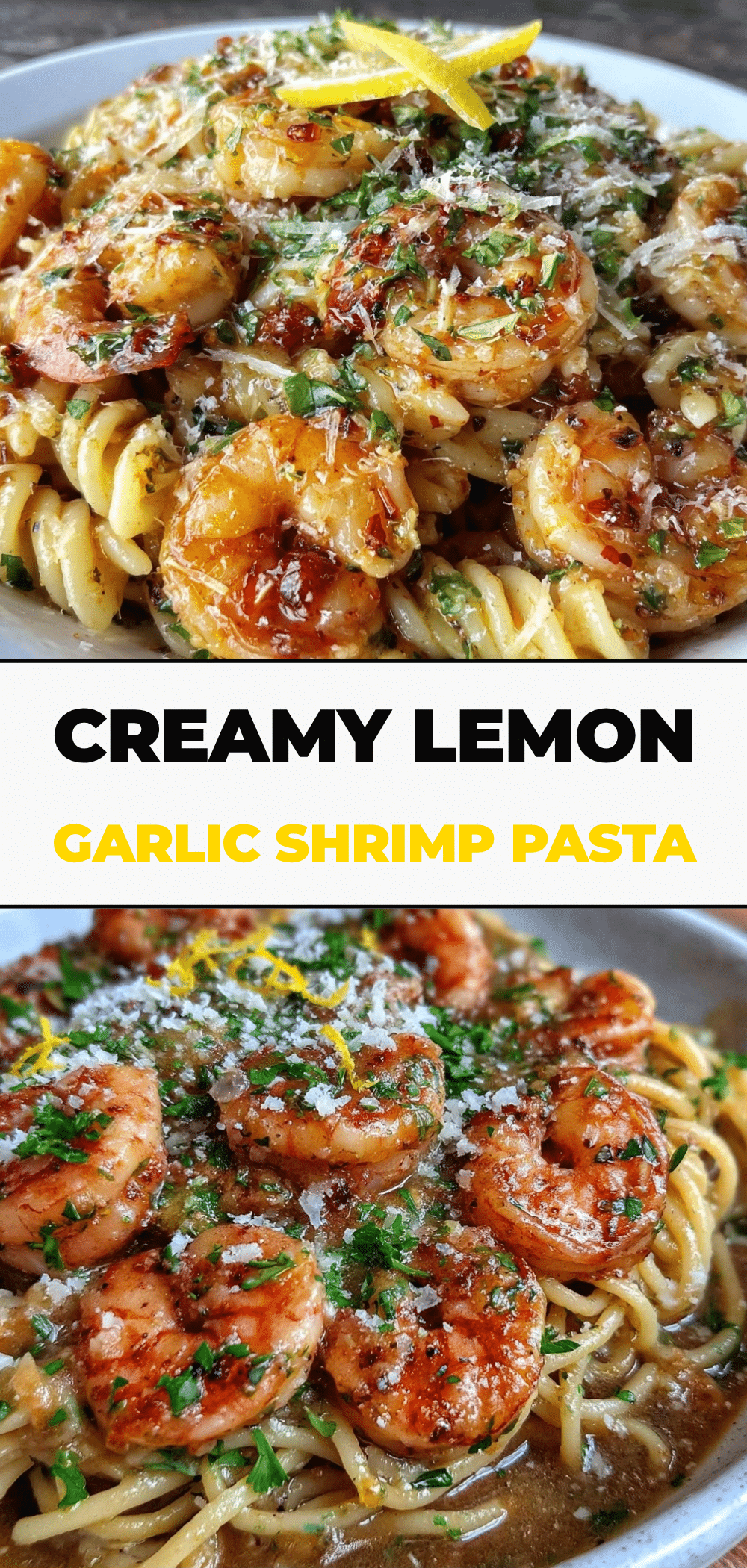
Shrimp Pasta: 5-Ingredient Lemon Garlic Butter
- Total Time: 15 minutes
- Yield: 4 servings 1x
Description
A quick, beginner-proof weeknight dinner featuring shrimp and pasta tossed in a bright lemon garlic butter sauce. Ready in just 15 minutes with minimal ingredients.
Ingredients
- 1 pound spaghetti or linguine
- 1 pound raw shrimp, peeled and deveined
- 4 tablespoons unsalted butter
- 4–5 cloves garlic, minced
- 2 medium lemons (zest and juice)
- 1/2 teaspoon red pepper flakes
- 2 tablespoons fresh parsley, chopped
- Salt and black pepper to taste
- 1 cup reserved pasta water
Instructions
- Prep all ingredients: Pat shrimp dry with paper towels, mince garlic, zest and juice lemons, and chop parsley.
- Boil pasta in a large pot of salted water until al dente (8-10 minutes). Reserve 1 cup of starchy pasta water before draining.
- While pasta cooks, melt butter in a large skillet over medium-high heat. Add shrimp in a single layer, season with salt and pepper, and cook for 1-2 minutes per side until pink and opaque. Remove shrimp from pan.
- Reduce heat to medium-low. Add garlic and red pepper flakes to the same pan, sautéing for 30-60 seconds until fragrant.
- Add lemon juice and zest to the pan, stirring to combine.
- Add the drained pasta to the skillet. Toss with the sauce, adding reserved pasta water gradually until the sauce is glossy and coats the pasta.
- Return shrimp to the pan, add parsley, and toss to combine.
- Serve immediately with extra black pepper and parsley.
Notes
Pat shrimp dry before cooking to ensure a good sear rather than steaming. Do not overcook shrimp as they become rubbery quickly. Save pasta water to help emulsify the sauce. Zest lemons before juicing for easier handling.
- Prep Time: 5 minutes
- Cook Time: 10 minutes
- Category: Main Course
- Cuisine: Italian
Nutrition
- Serving Size: 1 plate
- Calories: 450
- Sugar: 2
- Sodium: 350
- Fat: 16
- Saturated Fat: 8
- Carbohydrates: 52
- Fiber: 2
- Protein: 28
Keywords: shrimp pasta, lemon garlic butter, quick dinner, weeknight meal, 5-ingredient recipe, easy seafood, gluten-free option