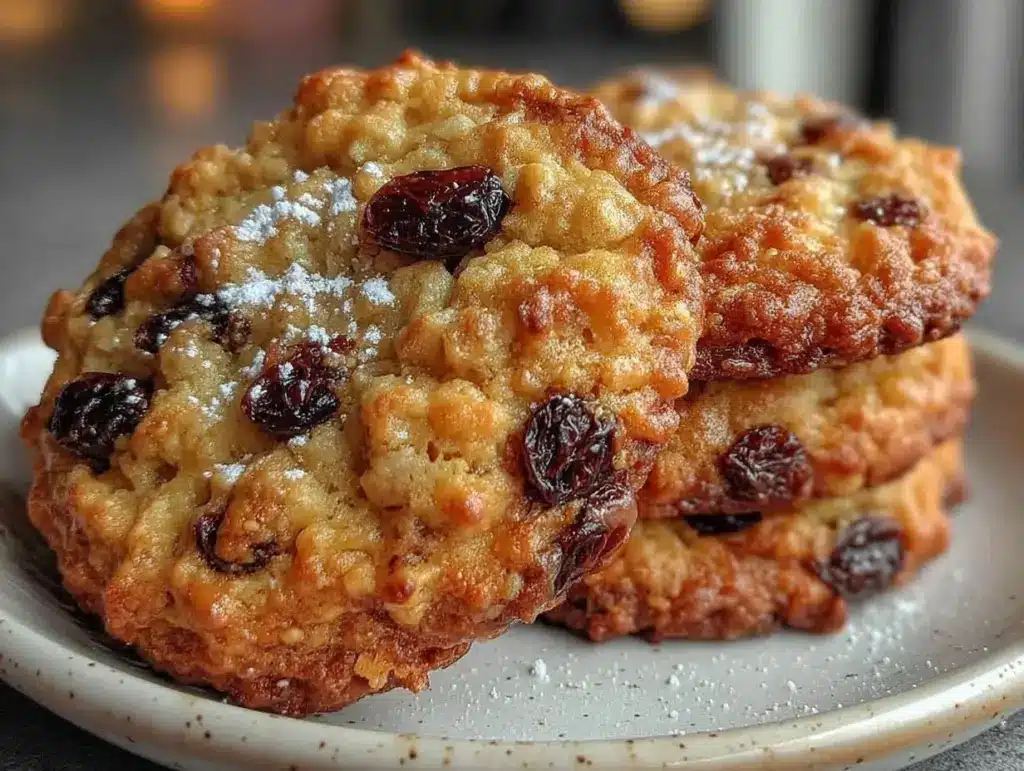
I used to think oatmeal raisin cookies were the culinary equivalent of a participation trophy. You know the ones—they’re dry, they taste like cardboard, and the raisins feel like hidden surprises you didn’t ask for. I’d rather eat a plain cracker. But then I made a batch of oatmeal raisin cookies with brown sugar and cinnamon that changed my entire perspective. They weren’t dry. They weren’t bland. They were chewy, spiced, and deeply caramelized, with a texture that reminded me of my grandmother’s kitchen in the 1970s.
I’ve made this recipe dozens of times. Some batches are perfect. Some are slightly over-baked because I got distracted by the creamy no-churn vanilla bean ice cream I was making to go with them. But the formula stays the same, and it never fails to impress. These aren’t just “good for oatmeal raisin cookies.” They’re genuinely delicious. If you’re skeptical, give them one bite. If you don’t like them, I’ll eat the rest.
This recipe strips away the complexity. No fancy techniques. No weird ingredients you can’t find at a regular grocery store. Just butter, brown sugar, cinnamon, oats, and raisins. It’s the kind of baking that makes you feel like a pro, even if you’ve never cracked an egg before. Let’s get into it.
Why You’ll Love This Recipe
There are a few reasons I keep coming back to this specific version of oatmeal raisin cookies. It’s not just about nostalgia; it’s about reliability and flavor.
Stupid Simple — Seriously, if you can melt butter and stir, you can make these. I’ve made these while holding a baby, while watching TV, and while arguing with my husband. They come out right every time. The dough is forgiving. If you add a little too much flour, they’ll still be good. If you add a little less, they’ll just be chewier. You really can’t mess this up.
Flavor That Wakes Up — Most oatmeal raisin recipes forget about cinnamon. Big mistake. The cinnamon here isn’t subtle; it’s warm and spicy, cutting through the sweetness of the brown sugar. It makes the cookies taste like fall, even if it’s July. The brown sugar adds that deep, molasses-like richness that white sugar just can’t match. It’s the difference between a cookie and a dessert.
Texture Perfection — I’m particular about my cookies. I want them soft in the middle, crisp on the edges, and chewy everywhere else. This recipe nails it. The key is chilling the dough (which I’ll explain later) and using old-fashioned rolled oats, not the instant stuff. Instant oats turn these into a cake. Old-fashioned oats give you that hearty, satisfying bite.
Makes Amazing Leftovers — These cookies keep for days. In fact, I think they taste better on day two. The flavors meld together, the oats soften slightly, and the cinnamon becomes more pronounced. I usually make a double batch because they disappear so fast. They’re perfect for lunchboxes, desk snacks, or pairing with a glass of cold milk.
This is my go-to when I want to bake something that feels homemade but doesn’t require a degree in pastry arts. It’s comforting, reliable, and always a hit.
Ingredients You’ll Need
Here’s the best part: you probably have most of these ingredients already. This isn’t a recipe that requires a trip to three different specialty stores. It’s pantry-friendly, simple, and straightforward. Let’s break down what you need and why it matters.
Unsalted Butter (1 cup / 226g) — I use unsalted because I want to control the saltiness. If you only have salted, reduce the added salt in the recipe by half. The butter needs to be softened to room temperature. Not melted, just soft enough that your finger leaves an indent. This helps it cream properly with the sugar.
Light Brown Sugar (1 ½ cups / 300g) — This is the star of the show. Light brown sugar has less molasses than dark, which keeps the cookies sweet but still rich. If you only have dark brown sugar, you can use it, but the cookies will be a bit more molasses-forward. Don’t pack it too tightly; just spoon it in and level it off.
Granulated White Sugar (½ cup / 100g) — This adds crispness to the edges. Without it, the cookies would be too soft. It’s a balance of textures.
Eggs (2 large) — Room temperature eggs incorporate better into the dough. If you’re in a rush, you can run them under warm water for a minute. Don’t skip this; cold eggs can seize up the butter.
Vanilla Extract (2 teaspoons) — Use real vanilla, not imitation. It makes a noticeable difference in flavor. If you’re out, you can skip it, but the cookies won’t be as aromatic.
All-Purpose Flour (2 cups / 250g) — Spoon and level method, please. Don’t scoop straight from the bag, or you’ll pack in too much flour and get dry cookies. If you don’t have a scale, this is crucial. I use Gold Medal flour, but any brand works.
Baking Soda (1 teaspoon) — This helps the cookies spread and brown. Make sure it’s not expired. If it’s old, it won’t work, and your cookies will be flat pancakes.
Salt (½ teaspoon) — Even though we’re using unsalted butter, salt is essential to balance the sweetness. Don’t skip it.
Cinnamon (2 teaspoons) — Ground cinnamon. Fresh is best. If your jar has been sitting since 2019, toss it and buy new. Old cinnamon tastes like dust.
Old-Fashioned Rolled Oats (3 cups / 270g) — Not quick oats. Not steel-cut. Old-fashioned rolled oats. They have the right texture and chew. Quick oats will turn these into a mushy mess. I keep a big bag of Quaker Oats in my pantry specifically for this.
Raisins (1 ½ cups / 225g) — I use regular dark raisins. If you’re a raisin hater, you can swap them for chopped walnuts or pecans. But I think raisins are classic. If you want a chewier texture, soak the raisins in hot water for 10 minutes, then drain them. Plump raisins are better than dry ones.
Equipment Needed
You don’t need fancy equipment for this. Here’s what I actually use.
Mixing Bowls — Two bowls. One large for the wet ingredients and one medium for the dry. I use glass bowls because I can see through them and don’t have to guess if I’ve mixed everything.
Electric Mixer or Wooden Spoon — I use a hand mixer because it’s faster. But a wooden spoon works fine. You’ll need to mix the butter and sugars until they’re light and fluffy. It takes about 2-3 minutes with a mixer, or 5 minutes of arm workout with a spoon.
Rubber Spatula — For scraping down the sides of the bowl and folding in the oats and raisins. Silicone spatulas are best because they don’t scratch your bowls.
Baking Sheets — Two standard half-sheet pans. I use non-stick sheets. If you use dark-colored sheets, lower the oven temperature by 25 degrees, or the bottoms will burn. I learned this the hard way with a batch of salted caramel chocolate chip cookie bars that turned into charcoal.
Parchment Paper — Line your baking sheets with parchment. It makes cleanup a breeze and prevents sticking. I don’t grease the sheets; the parchment is enough.
Cooling Rack — Essential. You need to transfer the cookies off the hot pan immediately, or they’ll keep cooking and get tough.
Spoon or Scoop — I use a medium cookie scoop for uniform sizes. If you don’t have one, use two spoons to drop mounds of dough. Just try to make them all roughly the same size so they bake evenly.
How to Make It: Step-by-Step
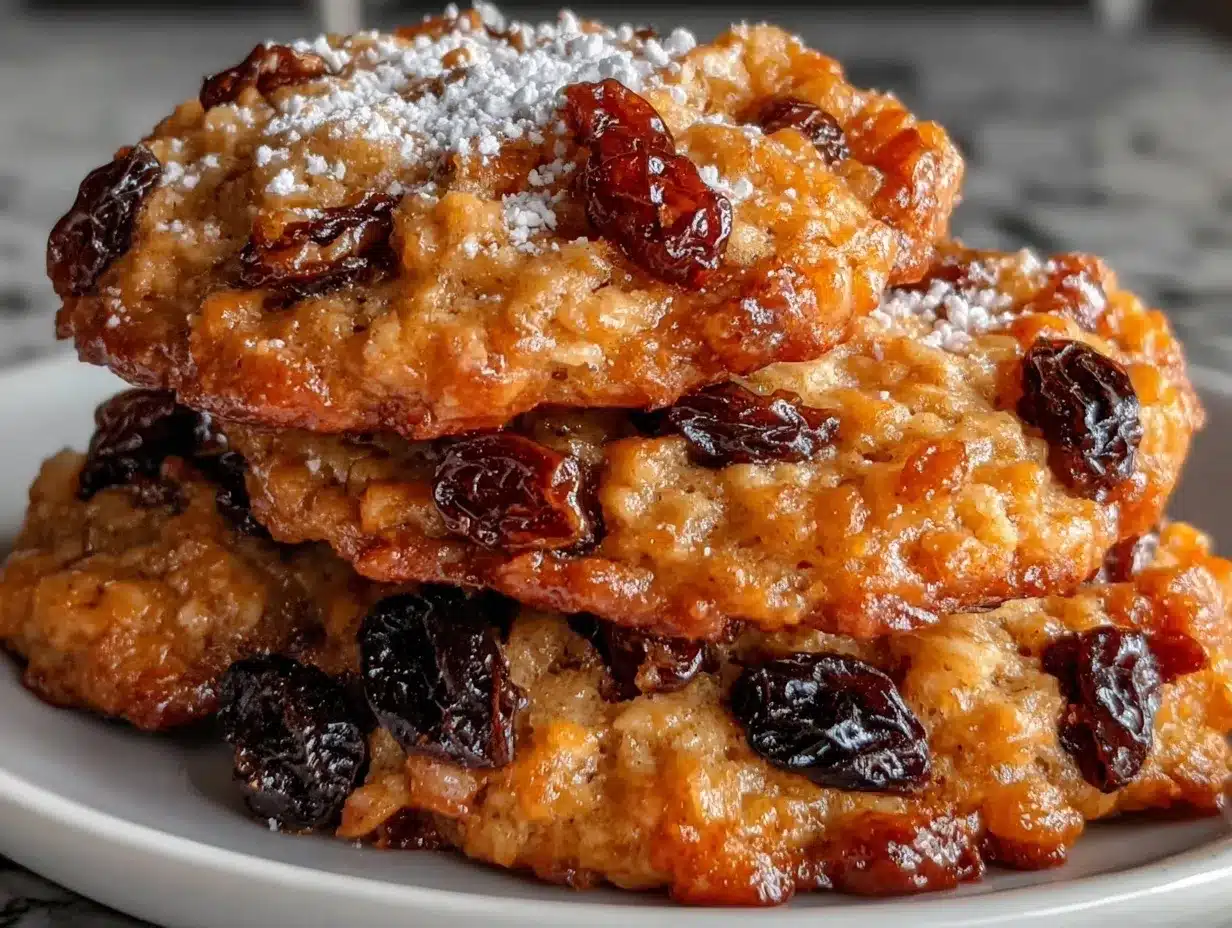
Alright, let’s make these cookies! I’m walking you through exactly how I do it, including the little tricks I’ve picked up over the years.
Step 1: Prep Your Oven and Pans (2 minutes)
Preheat your oven to 350°F (175°C). Line your baking sheets with parchment paper. This needs to happen first because you don’t want the dough to sit out while you’re waiting for the oven to heat up. If you’re in a rush, you can skip chilling the dough, but the cookies will spread more and be flatter. I recommend chilling if you have time.
Step 2: Cream the Butter and Sugars (3 minutes)
In a large bowl, beat the softened butter, brown sugar, and white sugar together. If you’re using a mixer, use medium-high speed. If you’re using a spoon, use your arm. You’re looking for a light, fluffy texture. It should look pale and creamy. This step incorporates air, which helps the cookies rise. Don’t rush this. If it looks grainy, keep mixing.
Step 3: Add Eggs and Vanilla (2 minutes)
Add the eggs one at a time, mixing well after each addition. Then add the vanilla extract. Mix until just combined. The mixture might look a little curdled at first. Don’t panic. That’s normal. Keep mixing, and it will come together.
Step 4: Mix Dry Ingredients (1 minute)
In a separate medium bowl, whisk together the flour, baking soda, salt, and cinnamon. Whisking ensures the baking soda and cinnamon are evenly distributed. You don’t want a bite of pure cinnamon or a bite of raw flour.
Step 5: Combine Wet and Dry (2 minutes)
Gradually add the dry ingredients to the wet ingredients. Mix on low speed or stir with a wooden spoon until just combined. Stop as soon as you don’t see streaks of flour. Overmixing at this stage develops gluten, which makes cookies tough. We want tender cookies, not bread.
Step 6: Fold in Oats and Raisins (2 minutes)
Add the rolled oats and raisins. Fold them in gently with a spatula. Make sure they’re evenly distributed. You’ll see the dough transform from a smooth batter to a chunky, oat-filled dough. This is the fun part.
Step 7: Chill the Dough (Optional but Recommended) (30 minutes)
Cover the bowl with plastic wrap or a damp towel and refrigerate for at least 30 minutes. This step solidifies the butter, which prevents the cookies from spreading too much. It also allows the oats to hydrate, which improves the texture. If you’re impatient, you can skip this, but the cookies will be thinner and crisper. I usually chill the dough overnight if I’m planning ahead.
Step 8: Scoop and Bake (12-14 minutes)
Scoop tablespoon-sized balls of dough onto the prepared baking sheets, spacing them about 2 inches apart. They will spread. Bake for 12-14 minutes. The edges should be golden brown, and the centers should still look slightly soft and underdone. They will firm up as they cool. Don’t overbake them, or they’ll be crunchy instead of chewy.
Step 9: Cool and Serve (10 minutes)
Let the cookies sit on the baking sheet for 5 minutes. Then transfer them to a cooling rack. Let them cool completely before eating, or they’ll be too hot to handle. But I know that’s hard to do. Just blow on them like a baby.
Expert Tips & Tricks
Here’s everything I’ve learned from making these dozens of times. These tips will save you from my mistakes.
Don’t Overbake — This is the #1 mistake people make. The cookies should look slightly underdone in the center when you take them out. They continue to cook on the hot pan. If you wait until they look fully done in the oven, they’ll be hard as rocks when they cool.
Chill the Dough — I can’t stress this enough. Chilling the dough makes a huge difference in texture and flavor. The flavors meld together, and the cookies hold their shape better. If you skip this, the cookies will spread into thin, crispy discs instead of thick, chewy cookies.
Use Real Butter — Don’t use margarine or butter substitutes. Real butter has the right fat content and water content for baking. Margarine has too much water, which can make the cookies spread too much and become greasy.
Measure Flour Correctly — Spoon the flour into the measuring cup and level it off. Don’t scoop the cup into the bag. Scooping packs the flour down, and you’ll end up with too much flour. Too much flour = dry, crumbly cookies.
Room Temperature Ingredients — Make sure your butter and eggs are at room temperature. Cold ingredients don’t mix well, and you’ll end up with lumpy dough. If you forget, soften the butter in the microwave for 10-15 seconds, and run the eggs under warm water.
Storage — Store cookies in an airtight container at room temperature for up to 5 days. Add a piece of bread to the container to keep them soft. The bread will dry out, but the cookies will stay chewy. It’s a classic trick.
Variations & Substitutions
Once you’ve nailed the basic version, here’s how you can mix it up. I’ve tried all of these.
Chocolate Chip Oatmeal — Swap the raisins for semi-sweet chocolate chips. This is my personal favorite. The chocolate and cinnamon are a dream combination. Use 1 ½ cups of chips.
Peanut Butter Oatmeal — Add ½ cup of peanut butter to the wet ingredients. This adds protein and a nutty flavor. Great for a more substantial cookie.
Spiced Apple — Add 1 cup of diced apples (peeled) and ½ teaspoon of nutmeg. This tastes like apple pie in cookie form. The apples add moisture, so you might need to chill the dough longer.
Gluten-Free — Use a 1:1 gluten-free flour blend. Make sure it contains xanthan gum, or add ½ teaspoon yourself. The texture will be slightly different, but still good.
Dairy-Free — Use dairy-free butter sticks (not tub margarine) and ensure your chocolate chips or raisins are dairy-free. Most raisins are naturally dairy-free, but check the label.
Vegan — Replace butter with vegan butter, eggs with flax eggs (2 tablespoons ground flaxseed + 5 tablespoons water), and ensure your sugar is vegan (some sugar is processed with bone char). The cookies will spread more, so chill the dough well.
Serving & Storage
These cookies are best served with a cold glass of milk. But here are other ways I’ve enjoyed them:
How to Serve: — I usually serve them warm, right out of the oven, with a scoop of creamy no-churn vanilla bean ice cream. The contrast of hot, chewy cookies and cold, creamy ice cream is unbeatable. You can also serve them with a cup of tea or coffee.
Toppings: — Sprinkle with flaky sea salt after baking. The salt enhances the sweetness and adds a nice crunch. It’s a restaurant-style touch that’s easy to pull off.
Refrigerator: — Store in an airtight container at room temperature for up to 5 days. If it’s humid, keep them in the fridge to prevent them from getting soggy.
Freezing: — You can freeze the dough balls. Scoop them onto a baking sheet, freeze until solid, then transfer to a freezer bag. Bake from frozen, adding 1-2 minutes to the baking time. You can also freeze baked cookies for up to 3 months. Thaw at room temperature.
Meal Prep: — These are great for meal prep. Make a batch on Sunday, and you have snacks for the whole week. They travel well in lunchboxes and don’t crumble easily.
Nutrition Information
I’m not a nutritionist, but here’s the breakdown if you’re tracking. Keep in mind that these are estimates and can vary based on the specific ingredients you use.
Per Cookie (makes about 24 cookies):
- Calories: 180
- Protein: 3g
- Carbs: 28g
- Fiber: 1g
- Sugar: 16g
- Fat: 8g
- Saturated Fat: 5g
- Cholesterol: 25mg
- Sodium: 120mg
What’s Good: The oats provide some fiber and sustained energy. The cinnamon has anti-inflammatory properties. It’s a better snack than a candy bar, though still a treat.
What to Know: These cookies are high in sugar and calories, as expected for a baked good. Enjoy in moderation. If you’re watching sugar, reduce the brown sugar to 1 cup and use stevia or monk fruit sweetener, though the texture will be different.
Final Thoughts
So that’s my recipe for oatmeal raisin cookies with brown sugar and cinnamon. I’ve probably talked your ear off at this point, but when you make a recipe this often, you have a lot to say about it.
This has saved my dessert game more times than I can count. It’s my answer to “what should I bake?” when I want something comforting, easy, and delicious. My kids love them, my husband loves them, and I love them because they’re hard to mess up. They’re the kind of cookie that makes people ask for the recipe, even if they used to hate oatmeal raisin.
Make it yours! Try different add-ins, swap in your favorite nuts, or adjust the cinnamon to your taste. The best recipes are the ones you adapt to your family’s tastes. If you make this, drop a comment and let me know what you think! I love hearing how recipes turn out in your kitchen. And if something doesn’t work, tell me that too—I’m here to help troubleshoot.
Happy baking! And I hope your kitchen smells half as good as mine does right now.
Frequently Asked Questions
Can I use quick oats instead of old-fashioned oats?
You can, but the texture will be different. Quick oats are thinner and more processed, so they’ll make the cookies softer and less chewy. I recommend sticking with old-fashioned rolled oats for the best texture. If you must use quick oats, reduce the liquid slightly, but I wouldn’t recommend it.
Why did my cookies spread too much?
This usually happens if the butter was too warm or melted, or if you didn’t chill the dough. Make sure your butter is softened, not melted. Also, chill the dough for at least 30 minutes before baking. If your cookies still spread, try chilling them longer or using a cooler baking sheet.
Can I double this recipe?
Absolutely! Double everything and use your biggest mixing bowl. The baking times stay the same. I do this when I’m feeding a crowd or want to freeze some dough. Just make sure your baking sheets aren’t overcrowded. Bake in batches if needed.
How do I store these cookies to keep them soft?
Store them in an airtight container at room temperature. To keep them extra soft, add a slice of bread to the container. The cookies will absorb the moisture from the bread, staying chewy for days. If they start to harden, you can microwave them for 10-15 seconds to soften them up.
Can I make the dough ahead of time?
Yes! You can refrigerate the dough for up to 3 days or freeze it for up to 3 months. If refrigerating, let it come to room temperature for 15-20 minutes before scooping. If freezing, bake from frozen, adding 1-2 minutes to the baking time.
Why did my cookies turn out flat?
Flat cookies usually mean the butter was too soft, the baking soda was old, or you didn’t chill the dough. Check your baking soda’s expiration date. Make sure your butter is at room temperature, not melted. And don’t skip the chilling step—it’s crucial for structure.
Can I substitute raisins with other mix-ins?
Definitely! Chopped walnuts, pecans, dark chocolate chips, or white chocolate chips all work great. Use the same amount (1 ½ cups). I love the combination of chocolate chips and cinnamon—it’s like a cookie version of a snickerdoodle. Feel free to get creative!
Pin This Recipe!
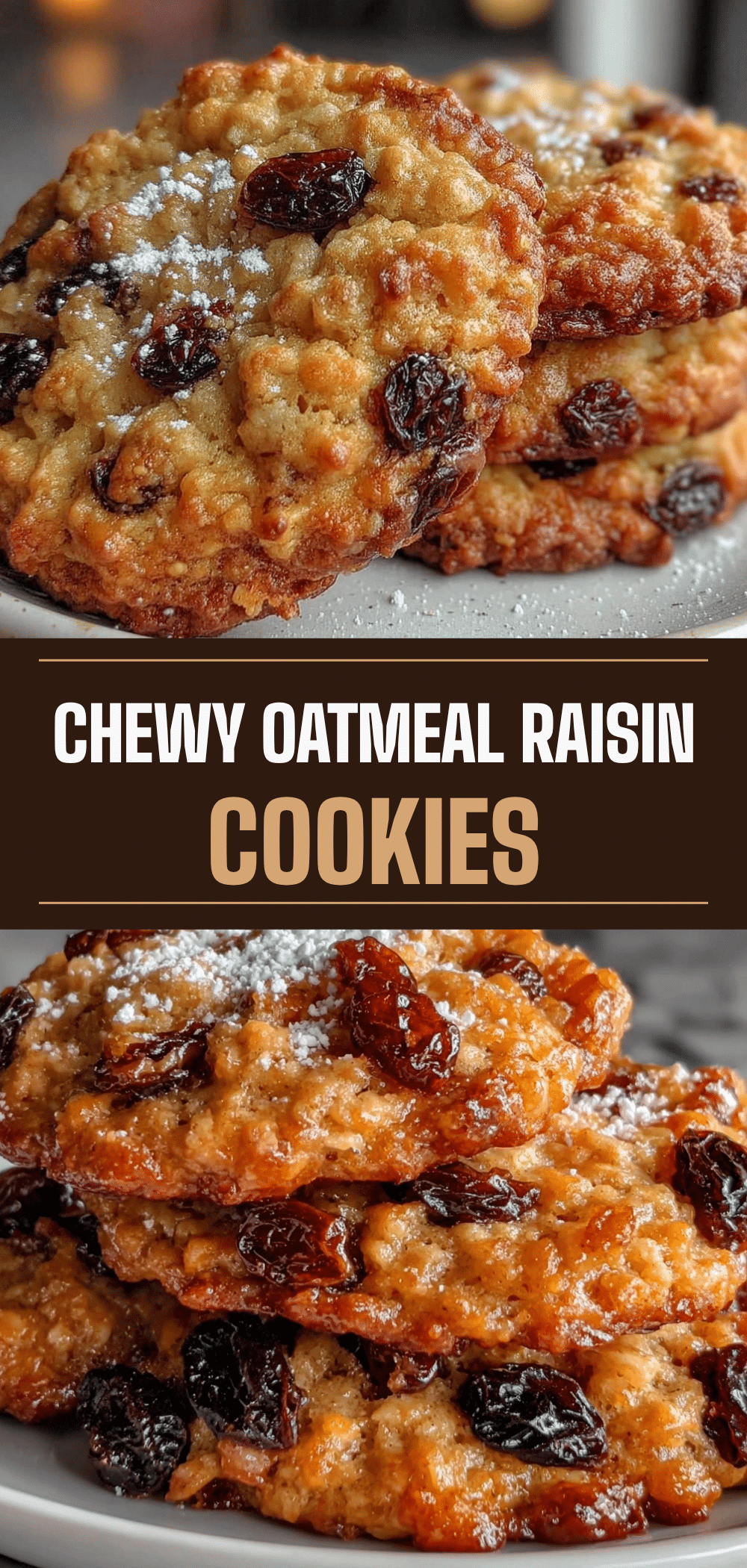
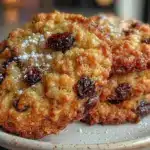
Oatmeal Raisin Cookies: Perfect, Foolproof & Easy
- Total Time: 45 minutes
- Yield: 24 cookies 1x
Description
Chewy, spiced oatmeal raisin cookies made with brown sugar and cinnamon. This foolproof recipe yields soft-centered, crisp-edged cookies that are easy to make and perfect for any occasion.
Ingredients
- 1 cup (226g) unsalted butter, softened to room temperature
- 1 ½ cups (300g) light brown sugar
- ½ cup (100g) granulated white sugar
- 2 large eggs, room temperature
- 2 teaspoons vanilla extract
- 2 cups (250g) all-purpose flour
- 1 teaspoon baking soda
- ½ teaspoon salt
- 2 teaspoons ground cinnamon
- 3 cups (270g) old-fashioned rolled oats
- 1 ½ cups (225g) raisins
Instructions
- Preheat oven to 350°F (175°C). Line two baking sheets with parchment paper.
- In a large bowl, beat the softened butter, brown sugar, and white sugar together until light and fluffy (about 2-3 minutes with a mixer).
- Add eggs one at a time, mixing well after each addition. Mix in vanilla extract until combined.
- In a separate medium bowl, whisk together flour, baking soda, salt, and cinnamon.
- Gradually add the dry ingredients to the wet ingredients, mixing on low speed or stirring with a spoon until just combined. Do not overmix.
- Fold in the rolled oats and raisins gently with a spatula until evenly distributed.
- Cover the bowl and refrigerate the dough for at least 30 minutes (optional but recommended for better texture).
- Scoop tablespoon-sized balls of dough onto prepared baking sheets, spacing them about 2 inches apart.
- Bake for 12-14 minutes, or until edges are golden brown and centers look slightly soft.
- Let cookies sit on the baking sheet for 5 minutes, then transfer to a cooling rack to cool completely.
Notes
For best results, use old-fashioned rolled oats, not quick oats. Ensure butter and eggs are at room temperature. Chilling the dough prevents excessive spreading and improves texture. Store in an airtight container with a slice of bread to keep soft.
- Prep Time: 15 minutes
- Cook Time: 12-14 minutes
- Category: Dessert
- Cuisine: American
Nutrition
- Serving Size: 1 cookie
- Calories: 180
- Sugar: 16
- Sodium: 120
- Fat: 8
- Saturated Fat: 5
- Carbohydrates: 28
- Fiber: 1
- Protein: 3
Keywords: oatmeal raisin cookies, brown sugar cookies, cinnamon cookies, easy cookie recipe, chewy cookies, homemade cookies