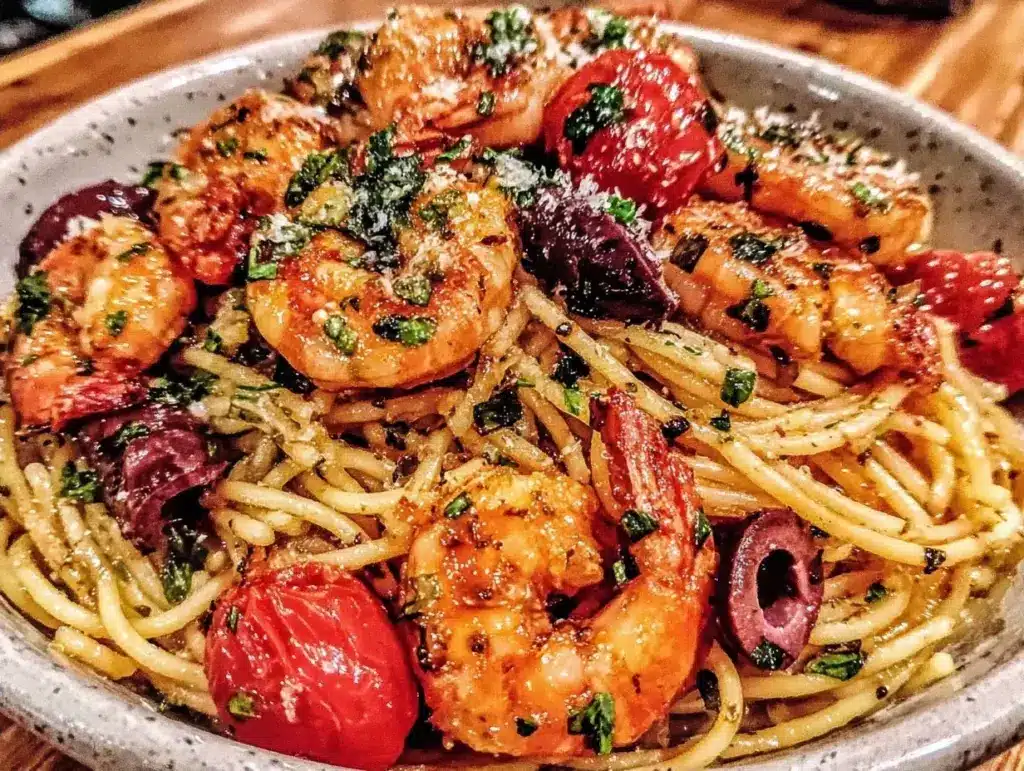
I have a confession to make. For years, I ordered takeout Mediterranean shrimp pasta from that little Greek place down the street. You know the one—the one with the red-and-white checkered tablecloths and the plastic menu covers. It was creamy, garlicky, loaded with shrimp, and just salty enough to make you forget about your diet for an evening. I’d sit on my couch, eat it straight from the container, and feel like I was living my best life.
Then, one rainy Tuesday, I was tired. Not “I need a nap” tired, but “I don’t have the mental energy to chop three different vegetables, wash five pans, and manage four separate pots” tired. I looked at my pantry, saw a bag of linguine, some frozen shrimp, and a jar of marinara, and thought, “There has to be a way to do this without the cleanup.”
I threw everything into one pot. I didn’t measure anything. I just cooked. And when I tasted it? It was better than the takeout. Creamier. Fresher. And I only had one pot to wash.
That was the birth of this Mediterranean Shrimp Pasta. I’ve made it dozens of times since then, tweaking the ratios until it was foolproof. The secret isn’t fancy technique. It’s letting the pasta cook right in the sauce so it absorbs all that garlic and lemon flavor, then finishing it with a splash of cream and a handful of spinach. You really can’t mess this up. If you can boil water and open a can, you can make this dinner.
Why You’ll Love This One-Pot Mediterranean Shrimp Pasta
This recipe has completely changed how I think about weeknight seafood dinners. Usually, cooking shrimp feels high-maintenance. You have to watch it like a hawk, or it turns into rubber. But when you toss it into a pasta pot, the gentle simmer keeps it tender and juicy without any stress.
Here’s why this Mediterranean Shrimp Pasta is now my go-to:
- One Pot, Zero Stress — Seriously. You cook the pasta in the sauce. This means the starchy pasta water thickens the sauce naturally, creating that restaurant-quality creaminess without needing a heavy reduction or fancy techniques. Less cleanup, more eating.
- 6 Ingredients Max — I’m not being dramatic. Olive oil, garlic, shrimp, pasta, spinach, and cream. That’s it. You probably have all of these in your kitchen right now. No weird spices you’ll use once and forget.
- Foolproof for Beginners — If you can follow a timer, you can make this. The pasta tells you when it’s done (it’s tender). The shrimp tells you when it’s done (it’s pink and curled). There’s no guesswork involved.
- Better Than Takeout — I’ve compared this side-by-side with my favorite local spot. This version is fresher, less greasy, and actually tastes like real food. Plus, it costs about $8 to make at home versus $22 for takeout.
- Ready in 20 Minutes — Not 45. Not 30. Twenty. From opening the package to plating. It’s fast enough for a random Wednesday night when you forgot to plan dinner.
This is the kind of recipe that makes you feel like a pro chef, even if you’re wearing sweatpants and eating straight from the pot. It’s simple, satisfying, and impossible to ruin.
Ingredients You’ll Need
Here’s the best part: this list is short. I’m particular about quality on just two things here—the shrimp and the garlic—but for the rest, pantry staples will do just fine.
For the Base
Spaghetti or Linguine (8 ounces / 225g) — I prefer long pasta because it holds the sauce well. Angel hair cooks too fast and gets mushy. Spaghetti is the sweet spot. Don’t break it in half; just push it down as it softens.
Olive Oil (3 tablespoons) — Use a good extra virgin olive oil. You’ll taste it. If you’re using cheap, oily stuff, the whole dish suffers. I keep a bottle of Bertolli or a local brand in my pantry specifically for this.
Garlic (6 cloves, minced) — Yes, six cloves. Don’t be shy. Garlic is the soul of this dish. Fresh only. I’ve tried the jarred stuff, and it has a metallic aftertaste that ruins the creaminess. If you hate chopping, buy pre-peeled cloves in the refrigerated section—they’re worth the extra dollar.
For the Flavor
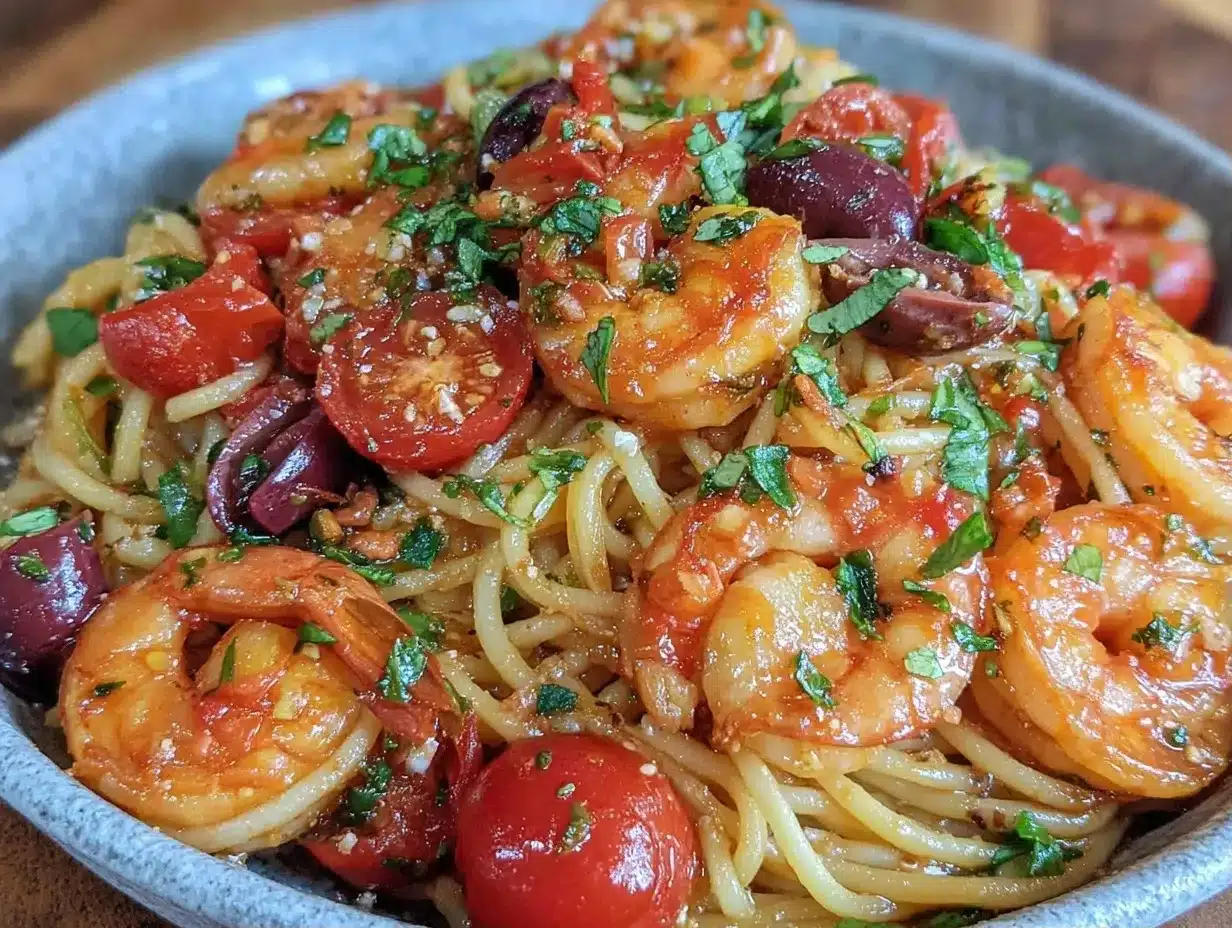
Canned Tomatoes (1 can, 14.5 oz / 411g) — I use crushed tomatoes. They break down into a sauce easily. Whole peeled tomatoes work too, but you’ll need to crush them by hand or blend them first. Avoid tomato sauce; it’s too thin and salty.
Chicken or Vegetable Broth (½ cup / 120ml) — Low sodium is key. You want to control the salt level. If you’re out of broth, water works, but broth adds depth. I usually grab whatever carton is half-empty in my fridge.
Frozen Shrimp (1 pound / 450g) — Peeled and deveined. Thaw them under cold water for 5 minutes. Do not thaw them in warm water; it makes them slimy. If you have fresh shrimp, great, but frozen is just as good and easier to keep on hand.
The Finishers
Heavy Cream (½ cup / 120ml) — This is what makes it “Mediterranean style” rather than just marinara. It adds richness. Half-and-half works if you want it lighter, but heavy cream is the gold standard for that velvety texture.
Fresh Spinach (2 cups / 60g) — A big handful. It wilts down to nothing but adds color and nutrition. If you don’t like spinach, kale or arugula work too, but spinach is the easiest to hide from picky eaters.
Red Pepper Flakes (½ teaspoon) — Optional, but I always add a pinch. It gives a tiny kick that cuts through the cream. If you’re sensitive to spice, start with a pinch and add more later.
Lemon Zest and Juice (1 lemon) — This is the secret weapon. The zest adds brightness, and the juice balances the richness. It makes the dish taste light, not heavy.
Parmesan Cheese (¼ cup, grated) — For serving. Or stir half of it in at the end for extra saltiness. Buy a block and grate it. Pre-grated cheese has cellulose that prevents it from melting smoothly.
Equipment Needed
You don’t need a fancy kitchen for this. Here’s what I actually use.
Large Deep Skillet or Dutch Oven — I use a 12-inch skillet with high sides. You need enough room for the pasta to expand in the sauce. If you use a small pan, the sauce will overflow. My stainless steel skillet is perfect, but a heavy-bottomed non-stick works too.
Tongs — For tossing the pasta. A fork works, but tongs are faster and less messy. I keep a pair of kitchen tongs specifically for pasta.
Colander — Optional. If you prefer to cook the pasta separately, you need this. But for the one-pot method, you don’t. I skip it to save time.
Measuring Spoons — For the garlic and spices. I measure these because I like consistency, but you can eyeball the rest.
Microplane or Grater — For the lemon zest and Parmesan. A regular box grater works, but a microplane makes zest that melts into the sauce instantly.
How to Make It: Step-by-Step
Alright, let’s make this! I’m walking you through exactly how I do it, including the little tricks I’ve picked up.
Step 1: Prep the Shrimp
Thaw your shrimp under cold running water for about 5 minutes. Pat them dry with paper towels. Wet shrimp steam instead of sear, so getting them dry is important. Season them lightly with salt and pepper. Set aside.
Step 2: Sauté the Aromatics
Heat the olive oil in your large skillet over medium heat. Add the minced garlic and red pepper flakes. Cook for 1 minute, stirring constantly. You want the garlic to be fragrant, not brown. Brown garlic is bitter. If it starts to sizzle too hard, turn the heat down.
Step 3: Build the Sauce
Pour in the crushed tomatoes and the broth. Stir well to combine. Bring it to a gentle simmer. Let it bubble for 3 minutes. This cooks out the raw tomato taste and lets the flavors meld. It should smell amazing. Like, “neighbors will ask what I’m cooking” amazing.
Step 4: Cook the Pasta in the Sauce
Here’s the magic trick. Add the dry pasta directly to the sauce. If it’s long pasta, just lay it in the pan and push it down as it softens. Pour in enough water to just cover the pasta. You need enough liquid for the pasta to cook, but not so much that it becomes soup.
Cook for 8-10 minutes, stirring frequently. The pasta will absorb the sauce, and the sauce will thicken. Stir every 2 minutes so nothing sticks to the bottom. If it looks dry, add a splash more water.
Step 5: Add the Shrimp and Cream
When the pasta is almost tender (about 2 minutes left), push the pasta to the sides and add the shrimp to the center. They’ll cook in the sauce. After 2 minutes, stir in the heavy cream. The sauce will turn a beautiful pale orange color.
Step 6: Finish with Greens
Turn off the heat. Toss in the fresh spinach. The residual heat will wilt it perfectly in 30 seconds. Don’t cook it longer, or it turns slimy. Stir in the lemon juice and zest. Taste and add salt if needed.
Step 7: Serve
Serve immediately with extra Parmesan cheese on top. It’s best eaten hot, right out of the pan.
Expert Tips & Tricks
Here’s everything I’ve learned from making this dozens of times. These tips will save you from my mistakes.
Don’t Overcook the Shrimp — Shrimp cooks in 2-3 minutes. If you leave it in the pot while the pasta finishes, it will get rubbery. Add it in the last 2 minutes only. I learned this the hard way with a pot of tough, chewy shrimp that no amount of butter could fix.
Save Some Pasta Water — Even though we’re cooking the pasta in the sauce, sometimes it absorbs all the liquid before the pasta is done. Keep a cup of hot water nearby. If the pan looks dry, add a splash. This starchy water helps the sauce cling to the noodles.
Use Low Heat for Cream — Never boil the cream. If you let it boil, it can separate and look grainy. Turn off the heat before adding it, or keep the burner on very low. Gentle heat keeps it smooth.
Lemon is Non-Negotiable — I know some people are scared of lemon in pasta. But trust me. The acidity cuts the fat from the cream and cheese. It makes the dish taste bright and fresh, not heavy. You won’t taste “lemon,” you’ll just taste “better.”
Stir Frequently — Pasta releases starch as it cooks. If you don’t stir, it sticks to the bottom and burns. Set a timer for every 2 minutes. It’s worth the tiny effort.
Variations & Substitutions
Once you’ve nailed the basic version, here’s how you can mix it up. I’ve tried all of these.
Vegetarian Version — Skip the shrimp. Add artichoke hearts or kalamata olives in step 4. They add that salty Mediterranean punch without meat. I love adding sun-dried tomatoes for extra flavor.
Gluten-Free — Use gluten-free spaghetti. Rice-based pasta works well here because it doesn’t get as mushy as corn-based pasta. Cook it for 1 minute less than the package says, as it finishes in the sauce.
Lighter Version — Swap heavy cream for half-and-half, or even Greek yogurt (add the yogurt off heat so it doesn’t curdle). It’s thinner but still tasty. I make this when I’m trying to be “healthy.”
Protein Swap — Chicken breasts, diced, work great too. Cook them first, remove, then add back in at the end. Or use scallops if you’re feeling fancy (add them in the last 3 minutes).
No-Cream Option — Skip the cream and add an extra ½ cup of broth. It will be lighter, like a traditional marinara. Still delicious, just different.
Serving & Storage
How to Serve:
I usually serve this straight from the skillet at the dinner table—it looks rustic and stays warm. But here are other ways I’ve enjoyed it:
- Sides: Simple arugula salad with lemon vinaigrette. Crusty garlic bread. Roasted broccoli.
- Toppings: Extra Parmesan, fresh basil leaves, more red pepper flakes, a drizzle of olive oil.
- Wine Pairing: Pinot Grigio or Sauvignon Blanc. Something crisp and acidic to match the lemon.
Storage:
Store leftovers in an airtight container in the fridge for up to 3 days. The sauce will thicken in the fridge—totally normal.
Reheating:
Best method: Add to a skillet with a splash of milk or broth over low heat. Stir until heated through.
Microwave: Heat in 30-second intervals, stirring between. Add a splash of liquid if it’s too thick.
Never works: Trying to reheat in the pot you cooked it in. It always burns on the bottom. Ask me how I know.
Freezing:
Honestly, this doesn’t freeze well because of the dairy and the shrimp. The texture changes. Make it fresh or store in the fridge for up to 3 days.
Nutrition Information
I’m not a nutritionist, but here’s the breakdown if you’re tracking.
Per Serving (based on 4 servings):
- Calories: 480
- Protein: 32g
- Carbs: 52g
- Fiber: 3g
- Sugar: 6g
- Fat: 16g
- Saturated Fat: 8g
- Sodium: 620mg
What’s Good: High protein from the shrimp. Calcium from the cheese. Can add vegetables to boost nutrition.
What to Know: Higher in calories from cream and cheese. Contains dairy and gluten. Moderate sodium.
My Take: Look, this is comfort food. It’s not a diet recipe. But it’s way better than takeout, costs less, and I know exactly what’s in it. When I want to make it lighter, I use the half-and-half version and load up on vegetables. But usually? I just eat a reasonable portion and enjoy it.
Final Thoughts
So that’s my go-to Mediterranean Shrimp Pasta! I’ve probably talked your ear off at this point, but when you make a recipe this often, you have a lot to say about it.
This has saved weeknight dinners more times than I can count. It’s my answer to “what’s for dinner” when I’m tired, don’t want takeout, and still want something that tastes really good. My kids are happy, my husband’s happy, and I’m happy because I’m not stressed about cooking.
Make it yours! Try different add-ins, swap in your favorite vegetables, adjust the garlic (though more is always better in my opinion). The best recipes are the ones you adapt to your family’s tastes.
If you make this, drop a comment and let me know what you think! I love hearing how recipes turn out in your kitchen. And if something doesn’t work, tell me that too—I’m here to help troubleshoot.
Happy cooking! And I hope your kitchen smells half as good as mine does right now.
Frequently Asked Questions
Can I use fresh pasta instead of dried?
You can, but be careful. Fresh pasta cooks in 2-3 minutes. If you add it to the pot with the sauce, it will turn to mush before the sauce thickens. If you use fresh pasta, cook it separately, drain it, and toss it into the finished sauce. Or, add it at the very end of the cooking process and watch it closely.
Why did my sauce turn out watery?
Usually means you added too much water or didn’t let it simmer long enough. The pasta needs to absorb the liquid. If it’s still watery after the pasta is cooked, turn up the heat and let it reduce for a few minutes. The starch from the pasta will help thicken it. Also, make sure you’re not adding extra liquid after the cream.
Can I make this ahead for a dinner party?
Sort of. Make the sauce up to 2 days ahead and store in the fridge. Cook the pasta and shrimp fresh right before serving (takes 10 minutes). Reheat the sauce gently and toss with the hot pasta and shrimp. It won’t be quite as good as fresh, but it’s close and saves you stress during the party. I do this all the time.
Why did my sauce get grainy?
The heat was too high when you added the cheese or cream. Dairy needs gentle heat. Always remove the pan from the burner before adding cream, then stir it in off heat. If it’s already grainy, try whisking in a splash of warm water—sometimes you can save it.
Can I use jarred garlic?
You can, but fresh tastes so much better in this recipe. Jarred garlic has a weird metallic taste that really shows up in cream sauces. If you must use it, use half the amount because it’s stronger. But honestly, mincing 6 cloves takes like 2 minutes. Buy pre-peeled garlic cloves if you want to save time.
How do I reheat leftovers without it getting dry?
Add a splash of milk or broth to a skillet, add your leftover pasta, and heat gently over low heat, stirring frequently. The extra liquid brings back the creamy texture. Microwave sort of works but tends to dry it out. If you do microwave, definitely add a splash of liquid first and heat in short bursts, stirring between.
Can I double this recipe?
Absolutely! Double everything and use your biggest pot. The cooking times stay the same. I do this when I’m meal-prepping or feeding a crowd. Just make sure your skillet is big enough for the sauce—you might need to use two pans or a very large skillet.
If you’re looking for more easy weeknight dinners, you might also enjoy this one-pot creamy Cajun chicken pasta or this grilled honey chipotle shrimp for a different flavor profile. And if you need a side dish, this creamy no-churn vanilla bean ice cream is perfect for dessert.
Pin This Recipe!
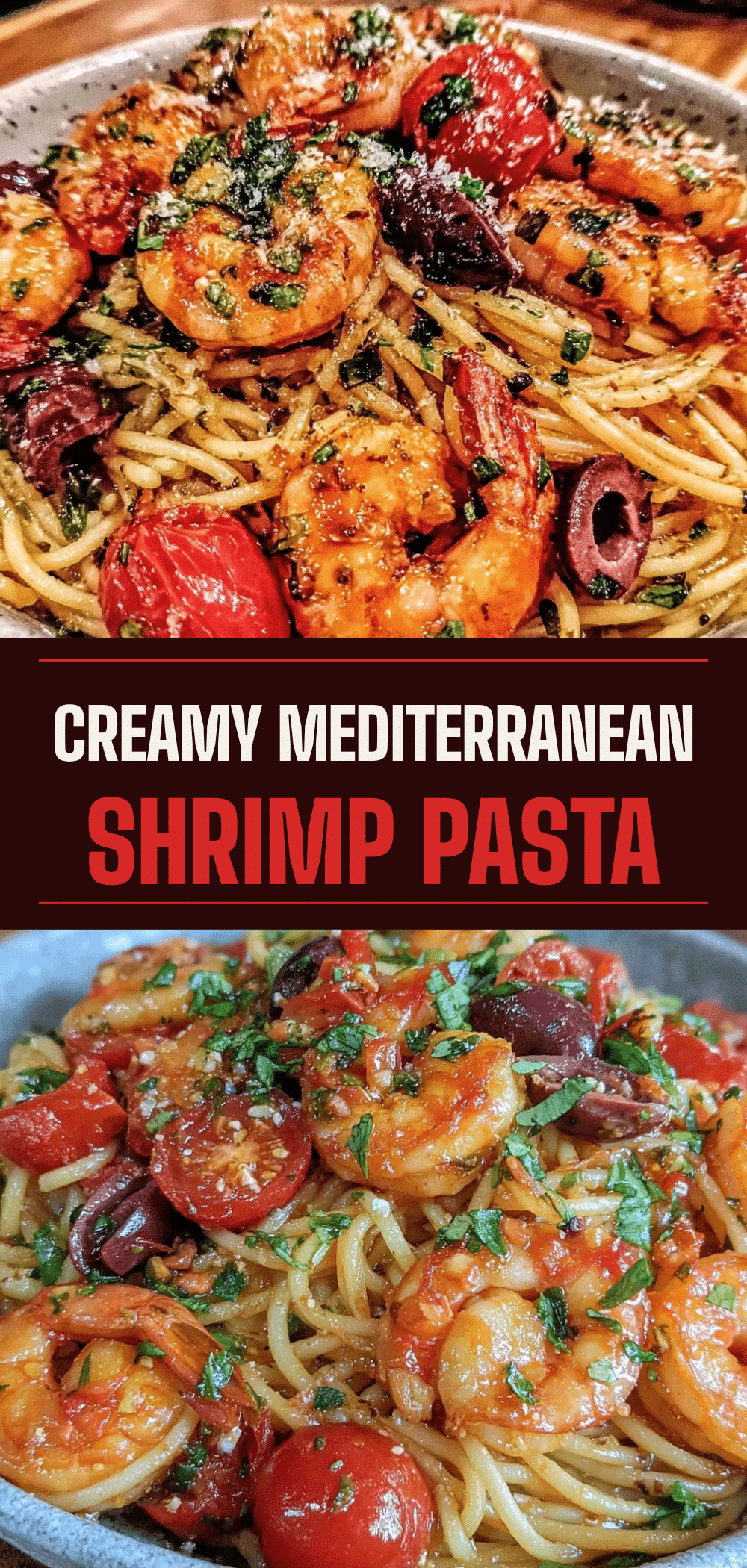
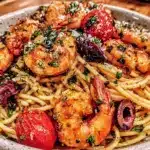
Mediterranean Shrimp Pasta: 6-Ingredient Foolproof One-Pot
- Total Time: 20 minutes
- Yield: 4 servings 1x
Description
A creamy, garlic-rich one-pot shrimp pasta that cooks in just 20 minutes. This foolproof recipe uses pantry staples to create a restaurant-quality meal with minimal cleanup.
Ingredients
- 8 ounces spaghetti or linguine
- 3 tablespoons extra virgin olive oil
- 6 cloves garlic, minced
- 1 can (14.5 oz) crushed tomatoes
- 1/2 cup low-sodium chicken or vegetable broth
- 1 pound frozen shrimp, peeled and deveined, thawed and patted dry
- 1/2 cup heavy cream
- 2 cups fresh spinach
- 1 lemon (zest and juice)
- 1/4 cup grated Parmesan cheese
- 1/2 teaspoon red pepper flakes
- Salt and black pepper to taste
Instructions
- Thaw shrimp under cold running water for 5 minutes, pat dry, and season lightly with salt and pepper.
- Heat olive oil in a large deep skillet over medium heat. Add minced garlic and red pepper flakes; cook for 1 minute until fragrant but not brown.
- Pour in crushed tomatoes and broth. Stir to combine and bring to a gentle simmer; cook for 3 minutes.
- Add dry pasta directly to the sauce. Pour in enough water to just cover the pasta. Cook for 8-10 minutes, stirring frequently, until pasta is almost tender.
- Push pasta to the sides and add shrimp to the center. Cook for 2 minutes, then stir in heavy cream.
- Turn off the heat. Toss in fresh spinach, lemon zest, and lemon juice. Stir until spinach wilts.
- Taste and add salt if needed. Serve immediately topped with Parmesan cheese.
Notes
Do not overcook the shrimp; add them only in the last 2 minutes to prevent rubberiness. Use low heat when adding cream to prevent separation. Fresh garlic is preferred over jarred for better flavor. If the sauce gets too thick, add a splash of water or broth.
- Prep Time: 5 minutes
- Cook Time: 15 minutes
- Category: Main Course
- Cuisine: Mediterranean
Nutrition
- Serving Size: 1 plate
- Calories: 480
- Sugar: 6
- Sodium: 620
- Fat: 16
- Saturated Fat: 8
- Carbohydrates: 52
- Fiber: 3
- Protein: 32
Keywords: one-pot pasta, shrimp pasta, Mediterranean shrimp, creamy pasta, quick dinner, weeknight meals, easy seafood, 6 ingredient recipe