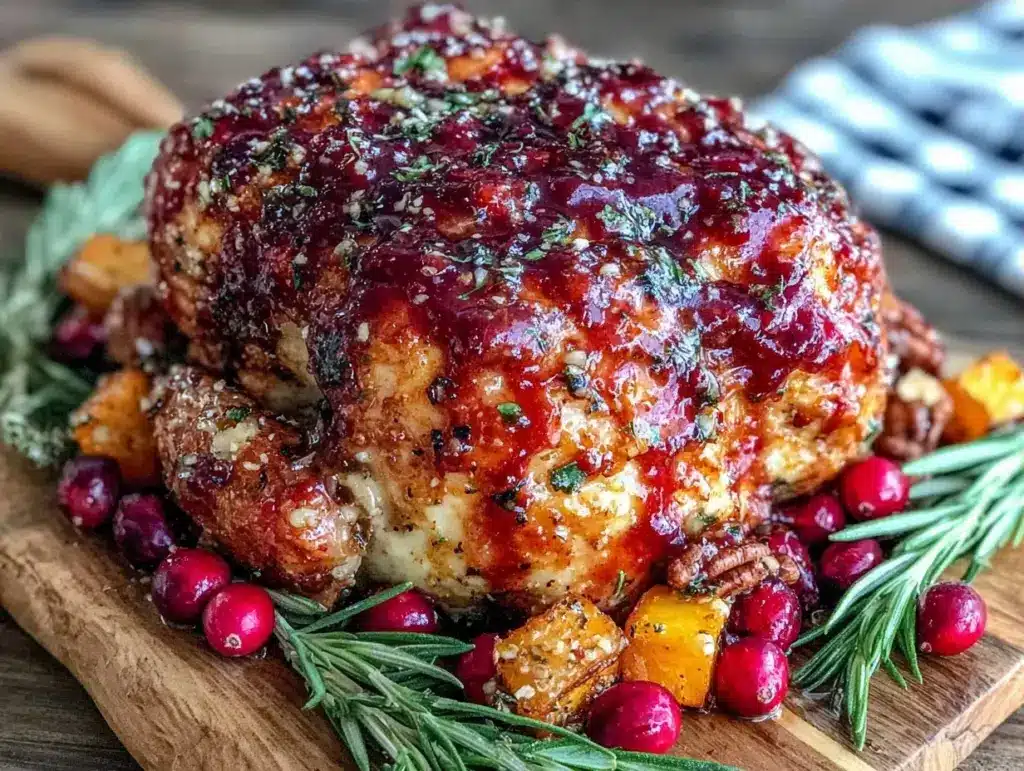
Let’s be honest for a second. Most roast chicken recipes are designed for a family of four, a dinner party, or someone who has a second refrigerator dedicated solely to leftovers. I get it. The big bird is efficient. But I’ve spent years staring at a giant roasted chicken, feeling that familiar pang of guilt as I pack away the leftovers for the third night in a row. My partner and I don’t need chicken salad for lunch on Wednesday, Thursday, and Friday. We need fresh food that doesn’t require reheating.
That’s why I finally figured out how to make Maple Dijon Roasted Chicken for Small Batches. It’s the answer to the age-old problem of “I want roast chicken, but I don’t want a week’s worth of leftovers.”
This isn’t just about shrinking the recipe. It’s about changing the approach. When you cook for one or two, you can’t use the same pan, the same heat distribution, or the same timing as a 5-pound bird. This method uses a single chicken breast or a small portion of thighs, roasted on a standard baking sheet. The result? Crispy skin, juicy meat, and a glaze that sticks perfectly without making the whole pan soggy. Plus, it pairs beautifully with the kind of quick sides you actually want to eat, like the healthy salmon and asparagus sheet pan dinner (if you’re feeling fancy) or just some simple roasted potatoes.
I’ve tested this map dijon chicken recipe at least ten times, tweaking the sauce ratio and the oven temp to get that perfect balance of sweet, tangy, and savory. It’s my go-to when I want something that feels special but takes less than 30 minutes from start to finish. No waste, no stress, just dinner.
Why You’ll Love This Small-Batch Roasted Chicken
There are about ten reasons I keep making this, but here are the big ones that keep it in my regular rotation.
- No Leftover Guilt — Seriously, this recipe yields exactly one or two servings. You cook what you eat. If you’re feeding two people, maybe you get a tiny bit of extra sauce, but you’re not packing up a whole chicken for days. It’s the antidote to the “what’s for lunch?” dread.
- 25 Minutes or Less — From the moment you pull out the chicken to the moment you sit down, it’s under half an hour. The marinade happens while the oven heats up, and the roast is fast because the pieces are small. I make this on weeknights when I’m tired but still want something better than cereal.
- One Pan Cleanup — You line a baking sheet with foil or parchment, toss the chicken on, roast, and done. The pan itself barely needs a soak. This is crucial for small-batch cooking because sometimes you just don’t want to do a mountain of dishes for one meal.
- Flavor That Actually Sticks — Small pieces of chicken have more surface area relative to their volume. That means the maple dijon glaze coats every bite. You’re not scraping sauce off a giant breast; it’s already there, caramelized and delicious.
- Pantry-Friendly Ingredients — You probably have maple syrup, Dijon mustard, olive oil, and garlic right now. No trip to the store for obscure spices. I keep these staples stocked specifically for nights like this.
This is my go-to when I need dinner to just work. No complicated techniques, no weird ingredients, just reliable, delicious food that makes everyone happy. And if you’re looking for a quick side to go with it, these mediterranean chickpea bowls are surprisingly good cold or room temp, making them a perfect no-cook companion.
Ingredients You’ll Need
Here’s the best part: you probably have most of this already. I’m particular about three ingredients here, and I’ll tell you exactly why.
For the Chicken
Chicken Breasts or Thighs (1 large breast or 2-3 thighs, about 6-8 oz / 170-225g) — I prefer boneless, skin-on thighs for this. They’re more forgiving and stay juicier. If you use breasts, they’re leaner, so keep an eye on them so they don’t dry out. Skin-on helps the glaze crisp up.
Maple Syrup (2 tablespoons / 30ml) — Use real maple syrup, not “pancake syrup.” The flavor is distinct and less cloying. I like Grade B or Dark Amber for a deeper flavor, but Grade A works fine too. This is the sweet component that caramelizes in the oven.
Dijon Mustard (1 tablespoon / 15g) — This provides the tang and the base for the glaze. It cuts through the sweetness of the maple. I use the standard grey Dijon (like Maille or French’s). Whole grain mustard has too much texture here; you want a smooth emulsion.
Garlic (2 cloves, minced / about 1 teaspoon) — Fresh only. No jarred garlic for this. It adds that savory backbone that ties the sweet and tangy together. Mince it finely so it doesn’t burn.
Olive Oil (1 tablespoon / 15ml) — Just enough to help the glaze stick and promote browning. Don’t skip it, or the chicken might stick to the pan.
Salt and Black Pepper (½ teaspoon kosher salt, ¼ teaspoon black pepper) — Essential for seasoning. Use kosher salt because it’s easier to control. If you use table salt, go lighter.
Dried Thyme or Rosemary (½ teaspoon) — Optional but recommended. Dried herbs hold up better in the oven than fresh ones, which can burn. If you only have fresh, use half the amount and add it in the last 5 minutes.
For the Sauce (Optional Drizzle)
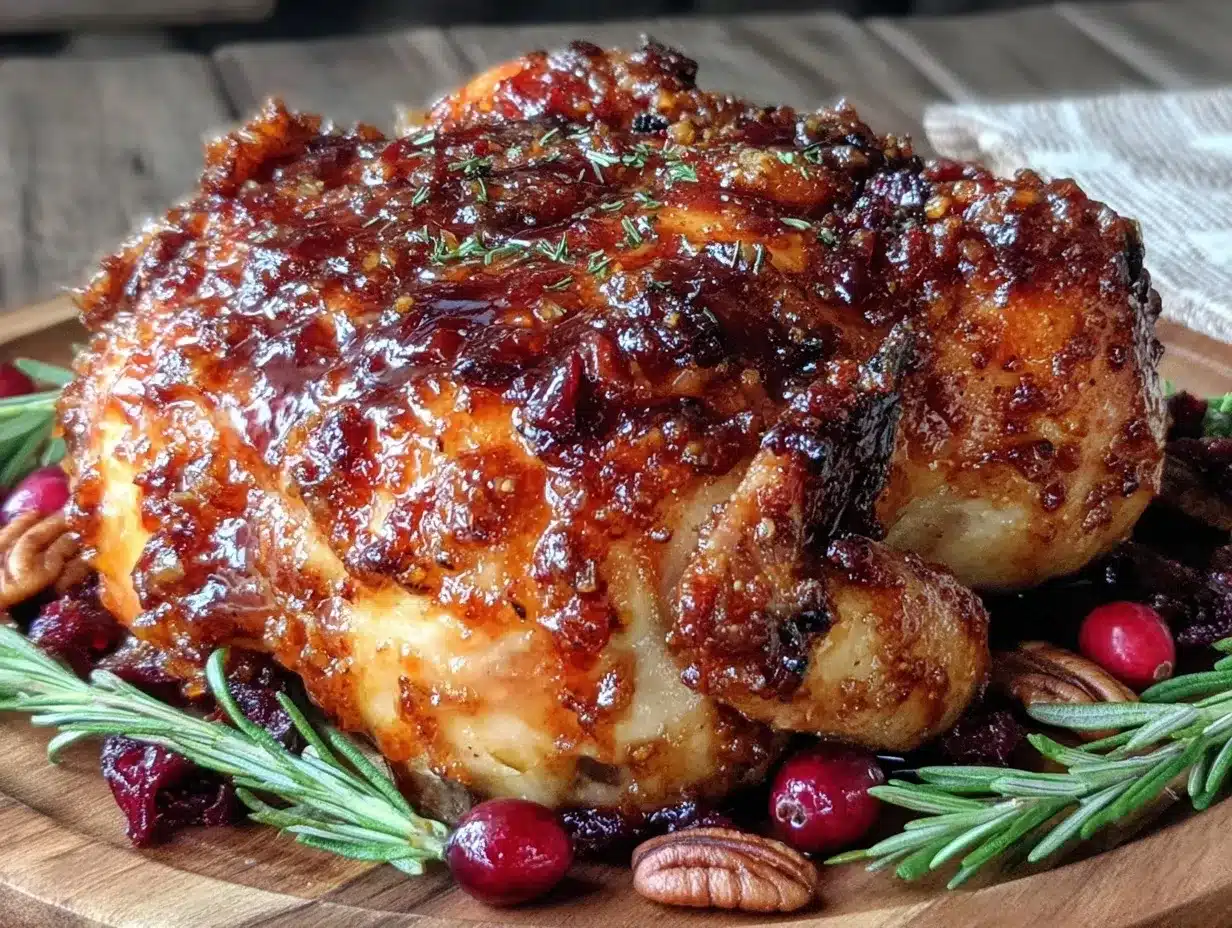
Extra Maple Syrup (1 teaspoon) — A tiny drizzle at the end for extra shine and sweetness. Only if you’re a sugar lover.
Fresh Parsley (1 tablespoon, chopped) — For color. It brightens up the dark glaze and makes it look restaurant-quality. Not strictly necessary, but it helps.
Common Questions:
- Can I use bone-in chicken? Yes, but increase cooking time by 5-7 minutes and ensure the internal temp hits 165°F (74°C). The glaze might burn faster on the bones, so watch it closely.
- Can I substitute honey? You can, but honey burns faster than maple syrup. If you use honey, lower the oven temp to 375°F (190°C) or brush it on in the last 5 minutes only.
Equipment Needed
You don’t need fancy equipment for this. Here’s what I actually use.
Baking Sheet — A standard half-sheet pan (18×13 inches) is perfect. It’s not too big that the chicken dries out, and not too small that it’s crowded. I prefer metal over glass for better browning.
Parchment Paper or Foil — Line your pan. Seriously. This is the small-batch secret to easy cleanup. Foil is easier to crumple up and toss; parchment is better if you’re worried about sticking. I usually use foil.
Small Mixing Bowl — For whisking the glaze. A ramekin or even a large mug works if you don’t want to use another bowl.
Pastry Brush or Spoon — To apply the glaze. A silicone brush is great for even coating. A spoon works too, just be careful not to drip everywhere.
Cutting Board and Knife — For prepping the garlic. And maybe for slicing the chicken if you prefer it that way.
Instant-Read Thermometer — This is non-negotiable for me. Chicken breasts vary wildly in thickness. A thermometer ensures you don’t overcook your small batch. I use a ThermoWorks Thermapen, but any cheap digital one works.
How to Make It: Step-by-Step
Alright, let’s make this! I’m walking you through exactly how I do it, including the little tricks I’ve picked up.
Step 1: Prep the Oven and Pan (5 minutes)
Preheat your oven to 400°F (200°C). This is hot enough to cook the chicken quickly and crisp the skin without drying it out. Line your baking sheet with foil or parchment paper. Lightly grease it with a little olive oil or cooking spray to prevent sticking.
Step 2: Make the Glaze (2 minutes)
In a small bowl, whisk together the maple syrup, Dijon mustard, minced garlic, olive oil, salt, pepper, and dried herbs. It should look like a thick, glossy paste. If it’s too thick, add a teaspoon of water. If it’s too thin, add a teaspoon more mustard. You want it to coat the back of a spoon.
Step 3: Season the Chicken
Pat your chicken dry with paper towels. This is important! Moisture is the enemy of browning. If the chicken is wet, the glaze will slide off and steam instead of roast. Place the chicken on the prepared baking sheet. Rub a tiny bit of olive oil over the chicken itself, then season with a pinch of salt and pepper.
Step 4: Apply the Glaze
Brush the maple dijon mixture generously over the top of the chicken. Make sure to get it into any crevices. If you’re using thighs, try to get some on the sides too. Don’t be shy with the glaze; this is where the flavor lives.
Step 5: Roast the Chicken
Place the baking sheet in the preheated oven. Roast for 12-15 minutes. If you’re using boneless, skinless breasts, start checking at 12 minutes. If you’re using thighs, go for the full 15. The chicken is done when the internal temperature reaches 165°F (74°C) at the thickest part.
Visual Cue: The glaze should be bubbling and slightly caramelized at the edges. The skin (if present) should be golden brown and crispy.
Step 6: Rest and Serve
Remove the chicken from the oven and let it rest on the pan for 3-5 minutes. This allows the juices to redistribute. If you cut into it immediately, the juices will run out, and your small portion will be dry. While it rests, you can brush on a tiny bit more glaze if you want extra shine. Slice if desired, garnish with parsley, and serve.
Total Time: About 25 minutes (5 minutes prep, 15-20 minutes cooking).
Expert Tips & Tricks
Here’s everything I’ve learned from making this dozens of times. These tips will save you from my mistakes.
Don’t Skip the Pat-Down
I know it’s annoying, but drying the chicken is the #1 reason this recipe works. Wet chicken = steamed chicken. Dry chicken = crispy, glazed chicken. I use paper towels and press firmly. Trust me.
Watch the Sugar
Maple syrup burns. If your oven runs hot, or if your chicken is very thin, the glaze might darken too quickly. If you see it getting too dark at the 10-minute mark, tent it loosely with foil. It’s better to pull it off early than to serve burnt sugar.
Room Temperature Helps
If you have time, let the chicken sit out for 10-15 minutes before roasting. Cold chicken straight from the fridge can cook unevenly. It’s not a huge deal for small batches, but it helps.
Leftover Glaze?
If you made extra glaze and didn’t use it all, don’t pour it on the raw chicken and then put the raw chicken in the oven if you’re worried about cross-contamination. Actually, it’s fine to brush it on raw, but if you have leftover glaze in the bowl that touched the raw chicken, discard it. Don’t reuse it as a sauce unless you boil it first.
Variations & Substitutions
Once you’ve nailed the basic version, here’s how you can mix it up. I’ve tried all of these.
Honey Mustard Version
Swap the maple syrup for honey and add a teaspoon of whole grain mustard. It’s a classic combo for a reason. Great with crackers as an appetizer.
Spicy Maple Dijon
Add ½ teaspoon of cayenne pepper or red pepper flakes to the glaze. It adds a nice kick that balances the sweetness. I do this when I want something with a bit more zing.
Lemon Herb Twist
Add the zest of one lemon to the glaze and swap thyme for rosemary. It’s brighter and more refreshing. Perfect for spring or summer evenings.
Soy-Ginger Maple
Swap 1 tablespoon of the maple syrup for soy sauce, and add ½ teaspoon of grated fresh ginger. It’s an Asian-inspired twist that’s surprisingly good. Serve with steamed rice.
Dietary Modifications:
- Gluten-Free — Most Dijon mustards and maple syrups are naturally gluten-free, but check your labels. Use tamari instead of soy sauce if adding it.
- Lower Sugar — Use sugar-free maple syrup or reduce the maple to 1 tablespoon and add a pinch of brown sugar for flavor. It’s still good, just less sweet.
Serving & Storage
How to Serve:
I usually serve this straight from the pan. It looks rustic and stays warm. Here are some sides that work well with small portions:
- Roasted Vegetables — Broccoli, asparagus, or green beans roasted on the same pan (just push the chicken to one side).
- Quinoa or Rice — A small side of grains soaks up any extra glaze.
- Simple Salad — Arugula with lemon vinaigrette cuts through the richness.
- Crusty Bread — For dipping into the pan juices.
Storage Instructions:
Refrigerator: Store leftovers (if you somehow have them) in an airtight container for up to 3 days. The chicken will stay moist if kept in the glaze.
Reheating: Reheat in a skillet over low heat with a splash of water or broth to keep it moist. Microwave works but can make the skin rubbery. If you microwave, do it in 30-second bursts.
Freezing: You can freeze this, but the texture of the glaze might change slightly upon thawing. Freeze in a single layer on the pan, then transfer to a bag. Thaw in the fridge overnight.
Nutrition Information
I’m not a nutritionist, but here’s the breakdown if you’re tracking.
Per Serving (1 chicken breast or 2 thighs):
- Calories: 280-320 (depending on cut)
- Protein: 25-30g
- Carbs: 12-15g
- Fat: 10-15g
- Sugar: 10-12g (from maple syrup)
It’s a high-protein meal with moderate carbs. The sugar comes from the maple, so it’s natural, but keep that in mind if you’re watching intake. It’s way better than takeout, costs less, and I know exactly what’s in it.
Final Thoughts
So that’s my go-to Maple Dijon Roasted Chicken for Small Batches! I’ve probably talked your ear off at this point, but when you make a recipe this often, you have a lot to say about it.
This has saved weeknight dinners more times than I can count. It’s my answer to “what’s for dinner” when I’m tired, don’t want takeout, and still want something that tastes really good. No leftovers, no stress, just good food.
Make it yours! Try different herbs, swap the syrup, or add some heat. The best recipes are the ones you adapt to your tastes.
If you make this, drop a comment and let me know what you think! I love hearing how recipes turn out in your kitchen. And if something doesn’t work, tell me that too—I’m here to help troubleshoot.
Happy cooking! And I hope your kitchen smells half as good as mine does right now.
Frequently Asked Questions
Can I use bone-in chicken?
Yes, but increase cooking time by 5-7 minutes. The glaze might burn faster on the bones, so watch it closely. Ensure the internal temp hits 165°F (74°C).
Why did my glaze burn?
Maple syrup has sugar, which burns at high temps. If your oven runs hot or the chicken is thin, the glaze may darken too quickly. Tent with foil at the 10-minute mark if you see darkening.
Can I make this ahead?
You can prep the glaze and marinate the chicken in the fridge for up to 4 hours. Roast just before serving. Don’t roast ahead and reheat, as the texture suffers.
Is this recipe keto-friendly?
Not strictly, due to the maple syrup. You can swap for a keto-friendly syrup or use a sugar-free alternative, but the flavor will be different. The chicken itself is keto-friendly.
Can I double this for two people?
Absolutely! Just ensure the chicken pieces aren’t overcrowded on the pan. If they’re touching, they’ll steam instead of roast. Use two pans if needed.
What if I don’t have Dijon mustard?
You can use whole grain mustard (less tang, more texture) or yellow mustard (milder). It won’t be the same, but it’ll still be tasty. Avoid spicy brown unless you want extra heat.
How do I know when the chicken is done?
Use an instant-read thermometer. Insert it into the thickest part. It should read 165°F (74°C). If you don’t have one, cut into the thickest part; the juices should run clear, not pink.
Pin This Recipe!
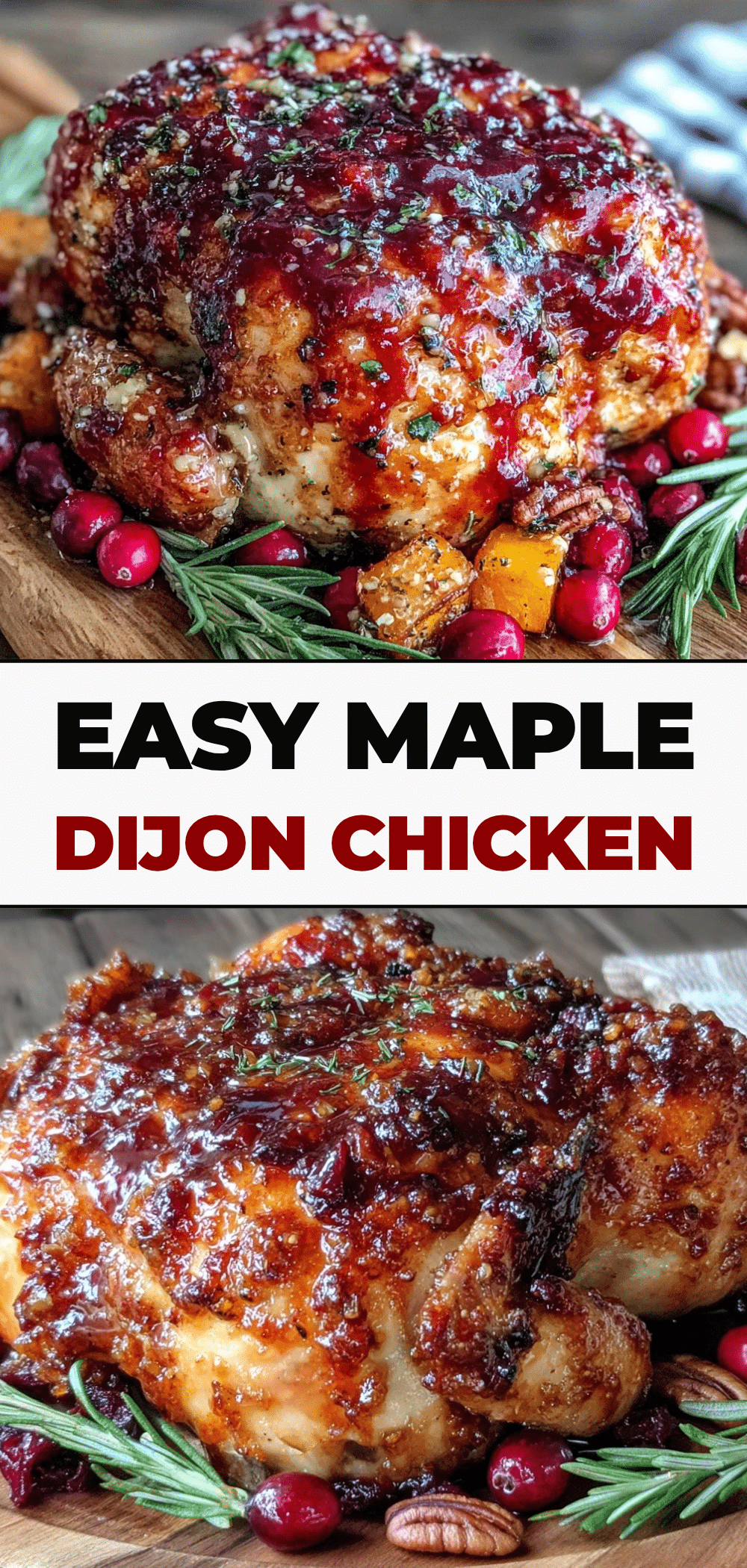
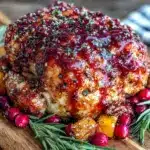
Maple Dijon Roasted Chicken: No Leftovers
- Total Time: 25 minutes
- Yield: 1-2 servings 1x
Description
A small-batch roasted chicken recipe designed for one or two servings, featuring a crispy skin and a sweet, tangy maple Dijon glaze that cooks in under 30 minutes with minimal cleanup.
Ingredients
- 1 large boneless, skin-on chicken breast or 2-3 boneless, skin-on chicken thighs (6–8 oz / 170-225g)
- 2 tablespoons maple syrup (real maple syrup, Grade B or Dark Amber preferred)
- 1 tablespoon Dijon mustard (smooth grey Dijon)
- 2 cloves garlic, minced
- 1 tablespoon olive oil
- ½ teaspoon kosher salt
- ¼ teaspoon black pepper
- ½ teaspoon dried thyme or rosemary
- 1 teaspoon extra maple syrup (optional, for drizzle)
- 1 tablespoon fresh parsley, chopped (optional, for garnish)
Instructions
- Preheat oven to 400°F (200°C). Line a standard half-sheet baking pan (18×13 inches) with foil or parchment paper and lightly grease.
- In a small bowl, whisk together maple syrup, Dijon mustard, minced garlic, olive oil, salt, pepper, and dried herbs until a thick, glossy paste forms.
- Pat the chicken dry with paper towels to ensure browning. Place on the prepared baking sheet and rub with a tiny bit of olive oil, seasoning with a pinch of salt and pepper.
- Brush the maple Dijon glaze generously over the top of the chicken, ensuring it gets into crevices.
- Roast for 12-15 minutes, or until the internal temperature reaches 165°F (74°C). Check at 12 minutes for breasts; thighs may need the full 15 minutes.
- Remove from oven and let rest for 3-5 minutes to redistribute juices. Optionally brush with extra maple syrup for shine, garnish with parsley, and serve.
Notes
Patting the chicken dry is crucial for crispy skin. Maple syrup burns easily, so tent with foil if the glaze darkens too quickly. Ensure internal temperature reaches 165°F (74°C). Do not reuse glaze that touched raw chicken unless boiled first.
- Prep Time: 5 minutes
- Cook Time: 15 minutes
- Category: Main Course
- Cuisine: American
Nutrition
- Serving Size: 1 chicken breast or
- Calories: 300
- Sugar: 11
- Sodium: 450
- Fat: 12
- Saturated Fat: 3
- Carbohydrates: 13
- Protein: 27
Keywords: small batch chicken, maple dijon chicken, quick dinner, one pan meal, no leftovers, roasted chicken, weeknight dinner