There was a Tuesday evening last month when I stared at the empty spot where my grocery list usually lives and felt that familiar panic. You know the one. The fridge has half a jar of pickles, some wilting spinach, and two sad eggs. The pantry has rice and a box of pasta that’s been there since 2022. I needed dinner, but I didn’t have the mental energy to chop, sauté, or clean three different pans.
So I did what I always do when I’m tired: I opened the freezer and pulled out two frozen salmon fillets. I threw them on a baking sheet with some broccoli and asparagus, drizzled them with a sauce I whipped up in the microwave, and walked away. Twenty minutes later, I came back to a kitchen that smelled like a fancy restaurant, not a disaster zone.
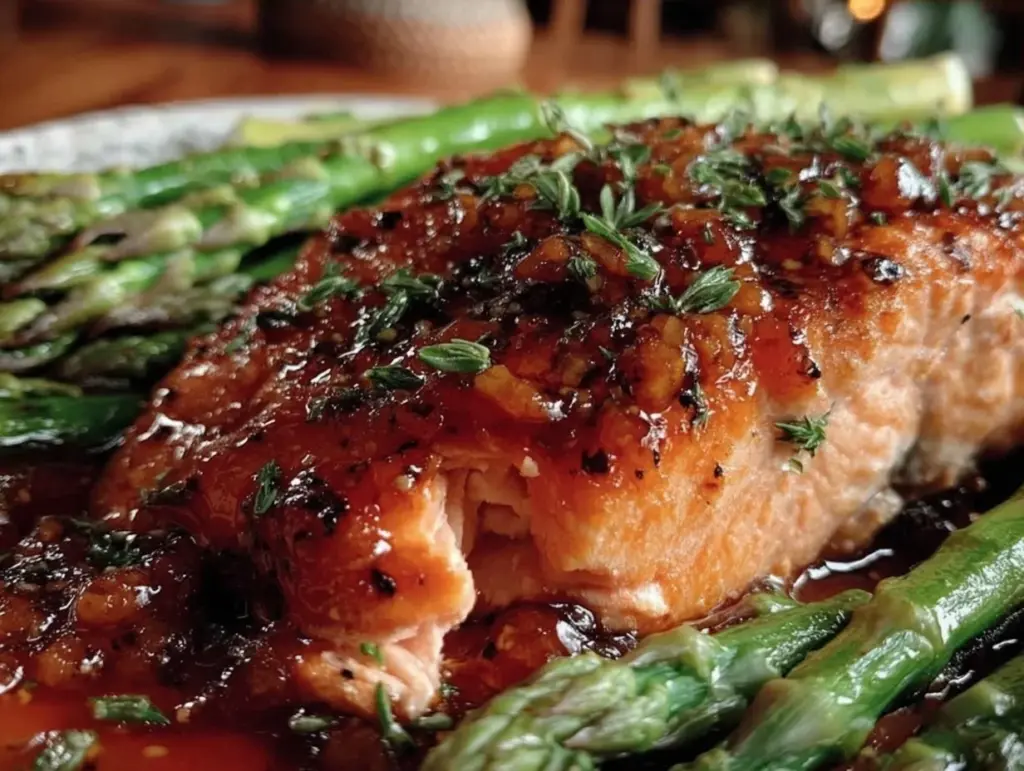
That was the birth of this honey garlic glazed salmon sheet pan dinner. It’s not just a recipe; it’s a lifeline. I’ve made it so many times that I can do it in my sleep. And the best part? You really can’t mess this up. If you can put ingredients on a tray and turn on your oven, you can make this. It’s forgiving, it’s fast, and it tastes like you spent way more time in the kitchen than you actually did.
I’m not kidding when I say this is the one meal I keep coming back to. It’s healthier than takeout, cheaper than ordering in, and so much better than the sad microwave dinners we all resort to on bad days. Let’s get into why this specific combo of sweet, savory, and garlicky works so well, and how you can make it tonight.
Why You’ll Love This Honey Garlic Glazed Salmon Sheet Pan Dinner
This recipe has completely changed how I think about healthy weeknight meals. It’s not about restriction; it’s about flavor that happens to be good for you. Here’s why this honey garlic glazed salmon sheet pan dinner has earned a permanent spot in my rotation:
One Pan, Zero Stress — Seriously, there is one baking sheet. That’s it. You put everything on it, bake it, and then you just rinse the pan. No pots to scrub, no sauces to simmer on the stove, no splatter marks to worry about. I’ve made this while helping my kids with homework, and I didn’t even have to stand over the stove.
Flavor That Punches Above Its Weight — You’d think a sauce with just honey, garlic, soy sauce, and a touch of ginger would be simple. It is. But when it caramelizes under the broiler? It’s incredible. The honey burns slightly at the edges, creating little crispy bits that are addictive. The garlic gets sweet and mellow. It’s restaurant-quality flavor without the restaurant price tag.
Ready in 20 Minutes — From pulling the salmon out of the freezer to scraping the last bite off the plate, it takes about 20 minutes. That’s 10 minutes of prep (mostly just chopping veggies) and 10 minutes of baking. It’s the perfect solution for when you’re hungry but tired.
High Protein, Low Effort — Salmon is a nutritional powerhouse. Omega-3s, protein, healthy fats. The veggies add fiber and crunch. It’s a balanced meal that keeps you full without leaving you feeling heavy or sluggish. I feel good after eating this, which is rare for weeknight dinners.
Flexible and Forgiving — Don’t have asparagus? Use green beans. Hate broccoli? Swap it for bell peppers or zucchini. The sauce works with almost any vegetable. This recipe bends to your preferences, not the other way around. It’s hard to mess up because the cooking times are forgiving. Even if you leave it in for an extra two minutes, it’s still good.
This is my go-to when I want to eat well but don’t want to think about it. It’s reliable, delicious, and makes me look like a culinary genius for doing almost nothing.
Ingredients You’ll Need for Your Honey Garlic Glazed Salmon Sheet Pan Dinner
Here’s the best part: you probably have most of these ingredients already. This isn’t a recipe that requires a special trip to three different specialty stores. It’s built on pantry staples and fresh basics.
For the Salmon:
Salmon Fillets (2 to 4 pieces, about 6 ounces each) — I use wild-caught sockeye or Atlantic salmon. Wild is leaner and has a firmer texture, which holds up better on a sheet pan. Farmed salmon is fine too, just a bit softer. Look for fillets that are roughly the same thickness so they cook evenly. If they’re super thin, you’ll need to watch them closely.
Olive Oil (1 tablespoon) — Just a light drizzle to help the salmon crisp up. You can use avocado oil too if you prefer a higher smoke point, but olive oil adds a nice flavor.
Salt and Black Pepper — Kosher salt is my go-to because it’s easy to sprinkle evenly. Freshly cracked black pepper adds a little heat. Don’t skip the seasoning; it enhances the natural flavor of the fish.
For the Honey Garlic Glaze:
Honey (3 tablespoons) — This is the star. It provides the sweetness and helps the sauce caramelize. I use regular clover honey. If you’re out, maple syrup works in a pinch, but it changes the flavor profile slightly. Avoid artificial honey substitutes; they don’t caramelize the same way.
Garlic (4 cloves, minced) — Yes, four cloves. Fresh garlic is non-negotiable here. Jarred minced garlic has a metallic taste that clashes with the honey. Mince it finely so it distributes evenly. If you’re really lazy, you can use a garlic press, but mincing by hand gives better texture.
Soy Sauce (2 tablespoons) — This adds the salty, umami depth that balances the sweet honey. I use low-sodium soy sauce so I can control the saltiness. If you need to avoid gluten, use tamari instead.
Fresh Ginger (1 teaspoon, grated) — This is the secret weapon. It adds a bright, zesty kick that cuts through the richness of the salmon. Grate it on a microplane for a fine texture. If you don’t have fresh ginger, you can use ½ teaspoon of ground ginger, but the fresh stuff is much better.
Rice Vinegar (1 teaspoon) — A splash of acidity to brighten the sauce. You can use white wine vinegar or even apple cider vinegar if that’s all you have. It prevents the sauce from being cloyingly sweet.
Red Pepper Flakes (½ teaspoon) — Optional, but I highly recommend it. It adds a tiny bit of heat that plays well with the sweet and savory flavors. Adjust based on your spice tolerance.
For the Veggies:
Asparagus (1 bunch, woody ends trimmed) — Asparagus is my first choice because it cooks at a similar rate to salmon. It gets tender-crisp and absorbs the sauce beautifully. I buy it fresh and snap off the tough ends before cooking.
Broccoli Florets (2 cups) — I add these for bulk and color. They roast nicely and get slightly charred, which adds flavor. Cut them into small, even florets so they cook quickly.
Optional Add-ins:
Snap Peas — Add them in the last 5 minutes of cooking so they stay crunchy.
Sweet Potato Cubes — If you want a heartier meal, add small cubes of sweet potato. They take longer to cook, so start them 5 minutes before the salmon.
Equipment Needed
You don’t need fancy equipment for this. Here’s what I actually use:
Large Sheet Pan — I use a standard half-sheet pan (18×13 inches). It needs to be big enough to hold the salmon and veggies in a single layer. If you overcrowd the pan, the veggies steam instead of roast. My old, dented pan works perfectly fine. Just make sure it’s not warped.
Parchment Paper or Foil — I line my pan with parchment paper for easy cleanup. Foil works too, but parchment prevents sticking better. It’s worth the extra step to avoid scrubbing baked-on sauce later.
Small Mixing Bowl — For whisking the glaze. Any small bowl will do.
Whisk or Fork — To mix the sauce. A fork works fine if you don’t want to wash a whisk.
Sharp Knife — For trimming asparagus and chopping broccoli. A dull knife makes this tedious.
Peeler or Grater — For the ginger. A microplane is ideal, but a regular grater works.
Spatula — For flipping the salmon if needed. I usually don’t flip it, but a spatula comes in handy for serving.
Optional:
Broiler Pan — If your oven has a broiler pan, it helps with even browning. But a regular sheet pan works just as well.
How to Make It: Step-by-Step
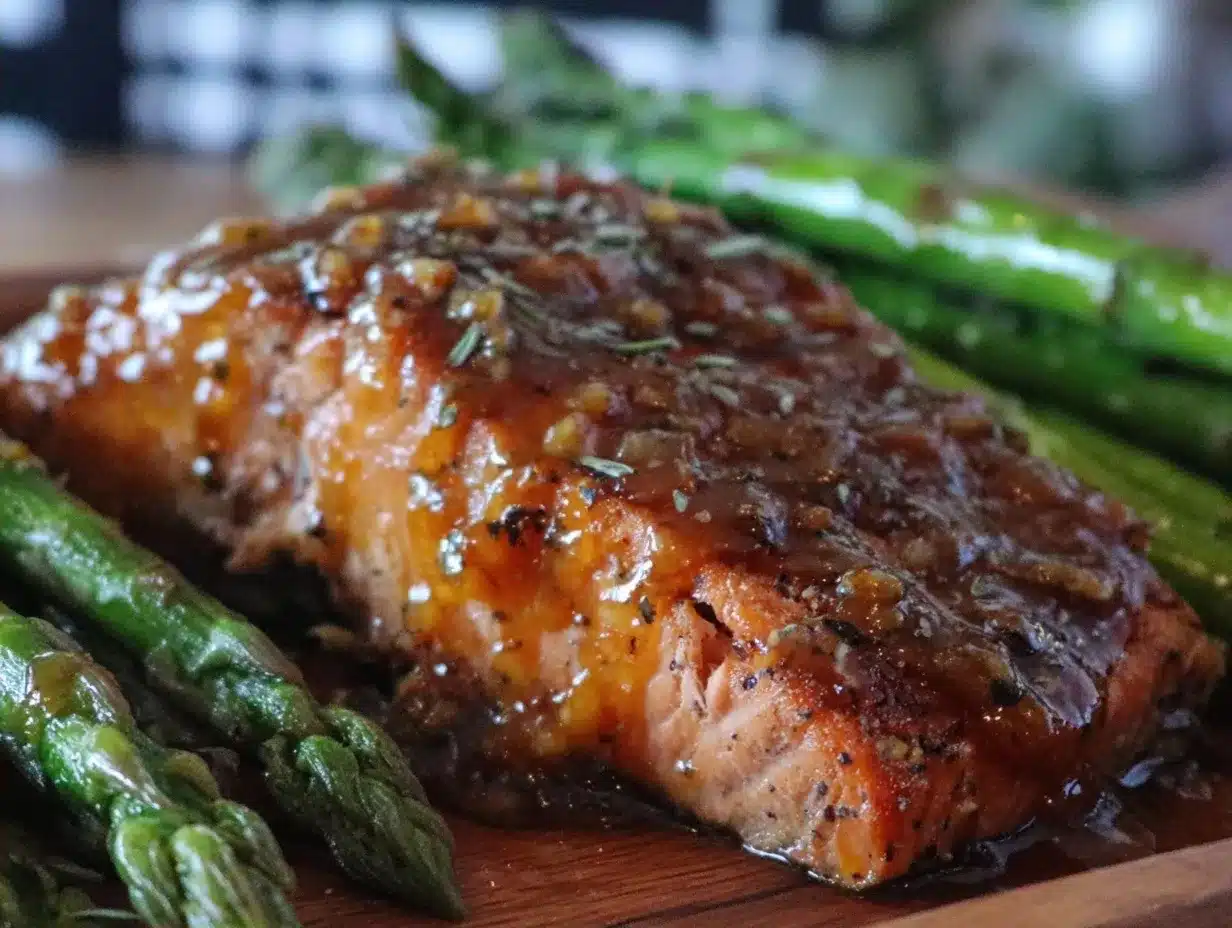
Alright, let’s make this! I’m walking you through exactly how I do it, including the little tricks I’ve picked up over dozens of attempts.
Step 1: Prep Your Oven and Pan (2 minutes)
Preheat your oven to 400°F (200°C). Line your sheet pan with parchment paper. This is crucial for cleanup. I’ve learned the hard way that skipping parchment means scrubbing burnt honey off my pan for 20 minutes. Don’t make my mistake.
Step 2: Make the Honey Garlic Glaze (2 minutes)
In a small bowl, whisk together the honey, minced garlic, soy sauce, grated ginger, rice vinegar, and red pepper flakes. The mixture should be smooth and glossy. If the honey is too thick, microwave it for 10 seconds to loosen it up. Taste it—it should be sweet, salty, and slightly spicy. Adjust if needed.
Step 3: Prep the Veggies (3 minutes)
Trim the woody ends off the asparagus. I just snap them; they break naturally where the tender part starts. Cut the broccoli into small florets. Toss them with the olive oil, salt, and pepper. Spread them out on the lined sheet pan in a single layer. They should not be piled on top of each other.
Step 4: Place the Salmon (1 minute)
Pat the salmon fillets dry with a paper towel. Moisture is the enemy of good texture. Season with salt and pepper. Place the fillets on the sheet pan, nestled among the veggies. If they’re overlapping, rearrange them. Even spacing ensures even cooking.
Step 5: Add the Glaze (1 minute)
Drizzle half of the honey garlic glaze over the salmon fillets. Use a spoon to spread it evenly. Drizzle the remaining glaze over the veggies. You want everything coated, but not swimming in sauce. The sauce will bubble and caramelize in the oven.
Step 6: Bake (12-15 minutes)
Place the sheet pan in the preheated oven. Bake for 12-15 minutes. The exact time depends on the thickness of your salmon. You’ll know it’s done when the salmon flakes easily with a fork and the veggies are tender-crisp. The edges of the sauce should be slightly browned and sticky.
Step 7: Broil (1-2 minutes)
For that perfect caramelized finish, switch your oven to broil for the last 1-2 minutes. Watch it closely! Honey burns fast. You want it golden and bubbly, not black. I stand by the oven for this part. It’s worth the attention.
Step 8: Serve
Remove from the oven. Let it rest for 2 minutes. Garnish with sesame seeds or chopped green onions if you have them. Serve immediately with rice or quinoa on the side.
Total Time: About 20 minutes (5 minutes prep, 15 minutes cook)
Expert Tips & Tricks
Here’s everything I’ve learned from making this dozens of times. These tips will save you from my mistakes.
Don’t Overcrowd the Pan
This is the #1 mistake. If the veggies and salmon are piled on top of each other, they steam. Steam makes soggy salmon and mushy veggies. Use a large enough pan. If you’re cooking for more than two people, use two pans. It’s better to cook in batches than to accept soggy food.
Pat the Salmon Dry
Wet salmon doesn’t crisp up. It steams. Pat it dry with paper towels before seasoning. It’s a small step that makes a big difference in texture.
Watch the Broiler
Honey burns quickly. When you broil, keep the oven door slightly ajar if your oven allows it, and watch like a hawk. One minute too long and you’ll have charcoal. I’ve done it. It’s heartbreaking.
Use Fresh Ginger
I know it’s more work, but fresh ginger adds a brightness that powdered ginger just can’t match. It’s worth the extra minute of grating.
Serve with Rice
This sauce is incredible over rice. I usually make a quick batch of instant rice or microwave rice pouches to go with it. The sauce soaks into the rice perfectly.
Variations & Substitutions
Once you’ve nailed the basic version, here’s how you can mix it up. I’ve tried all of these.
Veggie Swap
Don’t like asparagus? Use green beans, snap peas, or zucchini. Broccoli can be swapped with cauliflower or bell peppers. The key is to choose veggies that cook in 12-15 minutes. Root vegetables like carrots take longer, so add them early or parboil them first.
Gluten-Free
Simply swap regular soy sauce for tamari or coconut aminos. Everything else is naturally gluten-free. I use tamari because it has a richer flavor.
Spicy Version
Add 1 teaspoon of sriracha or chili paste to the glaze. It adds a nice kick that balances the sweetness. I like this version when I want something with more heat.
Teriyaki Style
Add 1 tablespoon of mirin and reduce the honey by 1 tablespoon. It gives it a more traditional Japanese teriyaki flavor. It’s delicious and feels fancy.
Different Fish
You can use this method for other firm fish like cod, halibut, or trout. Just adjust the cooking time. Thinner fillets will cook faster, so check them at 10 minutes.
Serving & Storage
How to Serve:
I usually serve this straight from the sheet pan at the dinner table—it looks rustic and stays warm. But here are other ways I’ve enjoyed it:
Sides:
– Steamed jasmine rice (the sauce is amazing over rice)
– Quinoa (for a higher protein side)
– A simple green salad with lemon vinaigrette
Toppings:
– Toasted sesame seeds
– Chopped green onions
– Fresh cilantro
Storage:
Refrigerator:
Store leftovers in an airtight container for up to 3 days. The salmon will keep well, and the veggies are still good. The sauce might thicken in the fridge, which is normal.
Reheating:
Best method: Reheat in a skillet over low heat with a splash of water. This keeps the salmon moist. Microwave method: Heat in 30-second intervals, stirring gently. It can get rubbery if you overheat it.
Freezing:
Honestly, I don’t recommend freezing this. The texture of the salmon changes when frozen and thawed. It becomes mushy. Make it fresh for best results.
Nutrition Information
I’m not a nutritionist, but here’s the breakdown if you’re tracking.
Per Serving (based on 2 servings):
- Calories: 450
- Protein: 35g
- Carbs: 25g
- Fiber: 4g
- Sugar: 18g
- Fat: 22g
- Sodium: 650mg
What’s Good:
– High in protein and omega-3s
– Good source of fiber from veggies
– Low in saturated fat
What to Know:
– Higher in sugar from the honey and soy sauce
– Moderate sodium (use low-sodium soy sauce to reduce)
My Take:
Look, this is a healthy meal with a sweet glaze. It’s not diet food, but it’s way better than processed options. When I want to make it lighter, I use less honey and more veggies. But usually? I just enjoy it as is. It’s delicious and satisfying.
Final Thoughts
So that’s my honey garlic glazed salmon sheet pan dinner! I’ve probably talked your ear off at this point, but when you make a recipe this often, you have a lot to say about it.
This has saved weeknight dinners more times than I can count. It’s my answer to “what’s for dinner” when I’m tired, don’t want takeout, and still want something that tastes really good. My kids are happy, my husband’s happy, and I’m happy because I’m not stressed about cooking.
Make it yours! Try different veggies, swap in your favorite sauce ingredients, adjust the spice level. The best recipes are the ones you adapt to your family’s tastes.
If you make this, drop a comment and let me know what you think! I love hearing how recipes turn out in your kitchen. And if something doesn’t work, tell me that too—I’m here to help troubleshoot.
Happy cooking! And I hope your kitchen smells half as good as mine does right now.
Frequently Asked Questions
Can I use frozen salmon?
You can, but you need to thaw it completely first. Cooking frozen salmon on a sheet pan usually results in uneven cooking. Thaw it in the fridge overnight or in a bag of cold water. Pat it dry well before seasoning.
Why did my salmon come out dry?
Usually means it was overcooked. Salmon cooks quickly. Check it at 12 minutes. It’s done when it flakes easily with a fork. If it’s still translucent in the center, give it another minute. I’ve ruined several fillets by being impatient.
Can I make this ahead for a dinner party?
Sort of. You can prep the veggies and make the sauce ahead of time. Store them in the fridge. When you’re ready to cook, assemble the pan and bake it. It’s best to bake it fresh, though. The salmon doesn’t hold up well if it sits in the sauce for hours.
Why did my sauce burn?
Honey burns easily. If you broiled it for too long, it will burn. Next time, broil for only 30 seconds to 1 minute. Or skip the broil step entirely; the sauce will still caramelize nicely in the regular bake.
Can I use maple syrup instead of honey?
You can, but the flavor will be different. Maple syrup doesn’t caramelize as well as honey. It will be sweeter and less sticky. I prefer honey for this recipe, but maple syrup works in a pinch.
How do I reheat leftovers without it getting dry?
Add a splash of water to a skillet, add your leftover salmon, and heat gently over low heat. Cover the pan to trap steam. This keeps the salmon moist. Microwave reheating tends to dry it out, so avoid it if possible.
Can I double this recipe?
Absolutely! Double everything and use two sheet pans. The cooking times stay the same. I do this when I’m meal-prepping or feeding a crowd. Just make sure your oven has enough room for both pans.
For more easy sheet pan meals, check out our healthy salmon and asparagus sheet pan dinner or try this fall sheet pan sausage and root veggies for a hearty option. If you’re in the mood for something different, this mediterranean salmon bowl is another great way to enjoy salmon without the fuss.
Pin This Recipe!
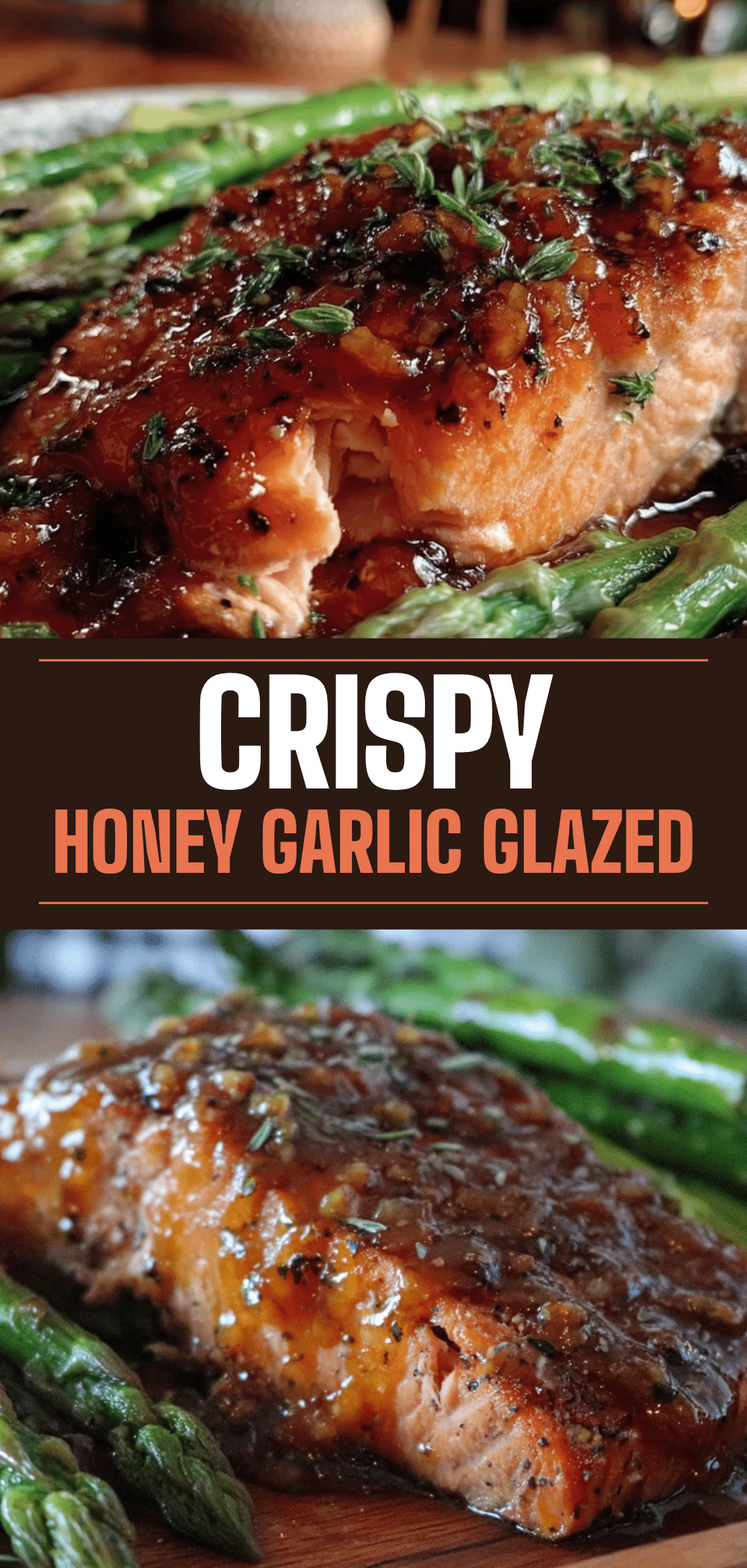
Honey Garlic Glazed Salmon Sheet Pan Dinner
- Total Time: 20 minutes
- Yield: 2 servings 1x
Description
A quick, forgiving, and flavorful weeknight meal featuring salmon and vegetables roasted on a single sheet pan with a sweet and savory honey garlic glaze.
Ingredients
- 2 to 4 salmon fillets (about 6 ounces each)
- 1 tablespoon olive oil
- Salt and black pepper to taste
- 3 tablespoons honey
- 4 cloves garlic, minced
- 2 tablespoons soy sauce (or tamari for gluten-free)
- 1 teaspoon fresh ginger, grated
- 1 teaspoon rice vinegar
- 1/2 teaspoon red pepper flakes (optional)
- 1 bunch asparagus, woody ends trimmed
- 2 cups broccoli florets
Instructions
- Preheat oven to 400°F (200°C) and line a large sheet pan with parchment paper.
- In a small bowl, whisk together honey, minced garlic, soy sauce, grated ginger, rice vinegar, and red pepper flakes until smooth.
- Trim asparagus and cut broccoli into small florets. Toss vegetables with olive oil, salt, and pepper, then spread in a single layer on the prepared sheet pan.
- Pat salmon fillets dry with paper towels and season with salt and pepper. Place fillets on the pan among the vegetables.
- Drizzle half of the glaze over the salmon and the remaining glaze over the vegetables.
- Bake for 12-15 minutes until salmon flakes easily with a fork and vegetables are tender-crisp.
- Switch oven to broil and broil for 1-2 minutes until sauce is golden and bubbly, watching closely to prevent burning.
- Let rest for 2 minutes before serving with rice or quinoa.
Notes
Do not overcrowd the pan to ensure roasting instead of steaming. Pat salmon dry before seasoning for better texture. Watch closely during broiling as honey burns quickly. For a spicy version, add sriracha to the glaze. Serve with rice or quinoa to soak up the sauce.
- Prep Time: 5 minutes
- Cook Time: 15 minutes
- Category: Main Course
- Cuisine: Asian Fusion
Nutrition
- Serving Size: 1 fillet and vegetab
- Calories: 450
- Sugar: 18
- Sodium: 650
- Fat: 22
- Saturated Fat: 3
- Carbohydrates: 25
- Fiber: 4
- Protein: 35
Keywords: salmon, sheet pan dinner, honey garlic, healthy weeknight meal, easy dinner, gluten-free option